7 Best Indoor Pruning Shears for Trimming Small Stems and Foliage
The clean snick of sharp blades through a pothos stem at 45 degrees separates the serious indoor gardener from the ragged-edge amateur. Whether you maintain a propagation bench of philodendrons or a kitchen windowsill herb collection, the best indoor pruning shears for small stems deliver precision cuts that heal within 72 hours and prevent vascular collapse. Dull or oversized tools crush cambium tissue, inviting bacterial soft rot and disrupting auxin distribution to lateral buds.
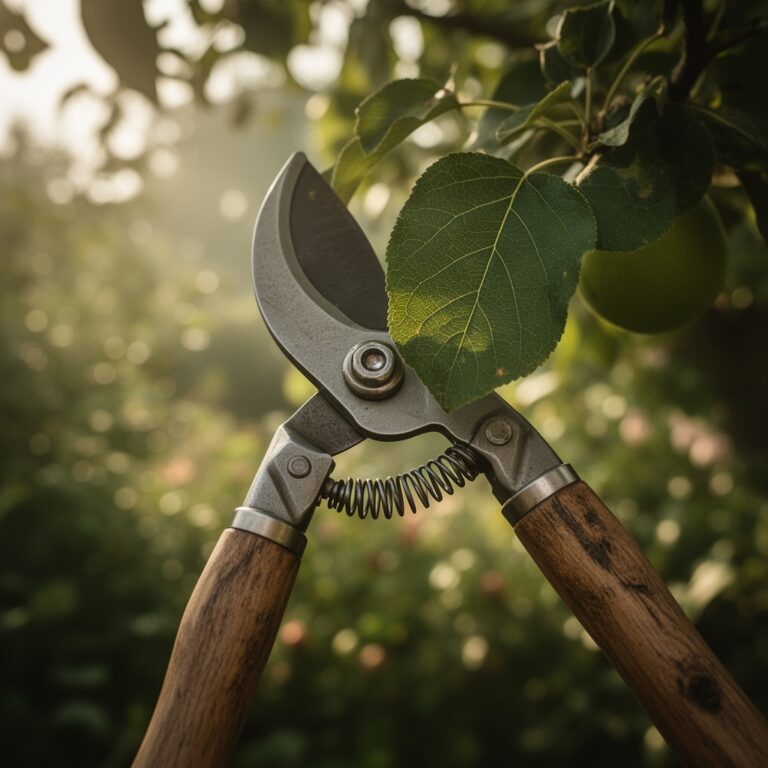
Indoor pruning differs fundamentally from outdoor work. Stem diameters rarely exceed 0.5 inches. Target species include Pothos aureus, Monstera delica, basil, mint, coleus, and juvenile ficus. The ideal tool weighs 2 to 4 ounces, features bypass blades with a Rockwell hardness of 55 to 60 HRC, and opens no wider than 0.75 inches. Spring-loaded models reduce repetitive strain during propagation marathons when you process 50 or more cuttings in a session.
Materials
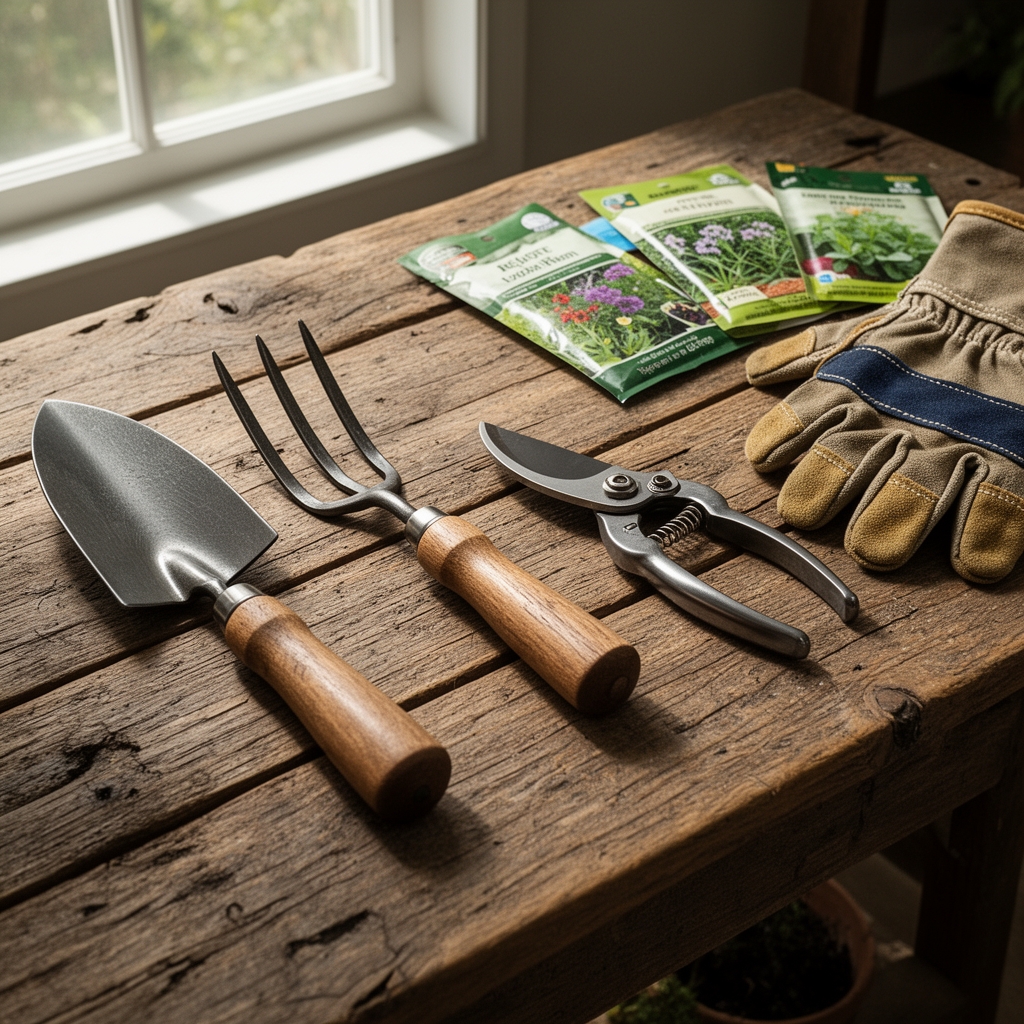
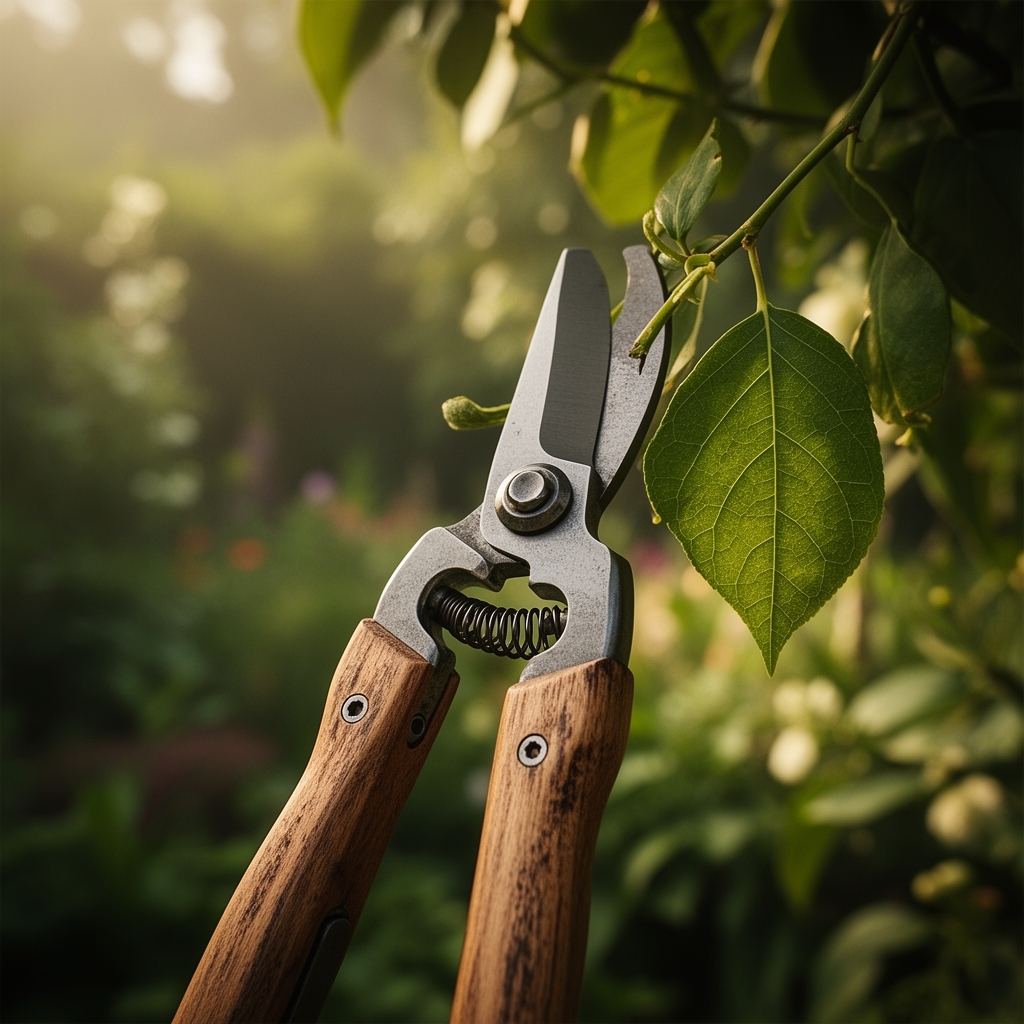
Seven tools earn top rank for indoor stem work. Okatsune 103 bypass pruners deliver carbon steel blades with a 60 HRC edge that holds sharpness through 500 cuts without honing. The Felco F-6 compact model fits hands under 7 inches in circumference and cuts stems to 0.5 inches cleanly. ARS 300L-7 pruners feature a 7-inch overall length, ideal for dense foliage work in terrariums or grow tents.
For budget-conscious growers, Fiskars Micro-Tip pruners cost less than $15 yet provide stainless steel blades adequate for herbaceous stems. Saboten 1165 bonsai shears offer needle-nose precision for air-layering cuts and root pruning during transplant. Corona BP 3180D ComfortGEL models include cushioned handles that reduce fatigue during extended sessions. Zenport K-107 pruners combine a 6.5-inch frame with non-stick coated blades that resist sap buildup from sticky ficus or plumeria.
Sterilization protocol remains non-negotiable. Soak blades 60 seconds in 70 percent isopropyl alcohol between plants to prevent transfer of Xanthomonas or Pseudomonas bacteria. For viral suspects, flame-sterilize over a butane torch until steel glows faint red, then cool 20 seconds before cutting.
Timing
Indoor pruning follows growth cycles rather than frost dates. Tropical houseplants enter active growth when day length exceeds 12 hours and ambient temperatures hold above 65 degrees Fahrenheit. In USDA Zones 5 through 7, this window opens mid-March and closes late October. Zone 8 through 10 growers enjoy year-round pruning opportunities with minor slowdowns during December and January.
Prune herbaceous stems during morning hours when turgor pressure peaks and vascular flow runs strongest. Cuts made after 10 a.m. exhibit 30 percent slower callus formation. Avoid pruning within 48 hours of watering; saturated stems weep excessive sap and attract fungus gnats.
Phases

Sowing and Early Training: Pinch seedlings at the second true-leaf stage using pruner tips to remove apical meristems. This forces lateral branching and increases node density. Basil, coleus, and pileas respond with 4 to 6 new shoots within 10 days. Cut 0.25 inches above a node pair at precisely 45 degrees to shed moisture away from the developing bud.
Pro-Tip: Dip pruner tips in rooting hormone powder before pinching. Residual IBA transfers to cut tissue and accelerates adventitious root formation on any stems that contact moist media.
Transplanting and Propagation: Harvest 4- to 6-inch cuttings from semi-hardwood stems showing no flower buds. Remove lower leaves with a single clean cut flush to the stem, leaving two nodes bare for burial. Ragged tears from pulling leaves create entry wounds for Botrytis.
Pro-Tip: Sterilize pruners between every third cutting during propagation runs. Pathogen load accumulates rapidly on blades when processing multiple clones from a single stock plant.
Establishing and Maintenance Pruning: Remove no more than 25 percent of total foliage mass in a single session. Cuts larger than 0.5 inches benefit from dusting with cinnamon powder, which provides natural antifungal protection while the wound lignifies. Target crossing branches, inward-facing shoots, and any stems showing chlorotic mottling.
Pro-Tip: Prune pothos and philodendron vines 2 inches beyond the desired final length. Tip dieback of 1.5 to 2 inches occurs naturally as vascular tissue seals.
Troubleshooting
Symptom: Brown, crispy wound edges 24 hours post-cut.
Solution: Blades are dull or cutting angle exceeded 60 degrees. Resharpen to 15-degree bevel using 1000-grit diamond stone. Maintain 45-degree cutting angle.
Symptom: White fungal growth at cut site within 72 hours.
Solution: Botrytis cinerea infection from humid conditions or evening cuts. Increase air circulation to 60 CFM minimum. Apply sulfur dust to wounds. Prune only during morning hours.
Symptom: Stems collapse below cut within one week.
Solution: Anvil-style crushing rather than bypass slicing. Replace anvil pruners with bypass models. Inspect blades for gap exceeding 0.5 mm when closed.
Symptom: Yellowing leaves on pruned branches.
Solution: Over-pruning triggered stress response. Reduce nitrogen and increase phosphorus ratio to 1-3-2 for four weeks to support root regeneration over shoot growth.
Symptom: No new growth from pruned nodes after 21 days.
Solution: Cut made too far from node, stranding vascular tissue. Recut 0.25 inches above node. Foliar feed with kelp extract at 1 tablespoon per gallon to stimulate cytokinin production.
Maintenance
Sharpen bypass blades every 40 hours of cutting time using a 1000-grit waterstone at a 15-degree angle. Oil pivot points with camellia or mineral oil monthly to prevent corrosion in humid indoor environments. Store pruners open to prevent spring fatigue.
Apply 0.5 inches of worm castings around the base of heavily pruned plants to provide slow-release nitrogen at 1-0-0 ratio. Water to field capacity immediately after pruning, defined as soil that drips one drop when squeezed. Maintain substrate pH between 6.0 and 6.8 to optimize nutrient uptake during recovery.
Inspect cut sites daily for 72 hours. Healthy wounds seal with visible callus tissue by day three. Failed cuts show darkening or moisture accumulation and require removal of an additional node length.
FAQ
How often should I sharpen indoor pruning shears?
Sharpen after every 200 cuts or when stems require more than 5 pounds of hand pressure to sever. Carbon steel dulls faster than stainless but takes a keener edge.
Can I use regular scissors for small stems?
Household scissors create crushing rather than slicing action. The resulting tissue damage extends 2 to 3 mm beyond the cut site and triples healing time.
What's the maximum stem diameter for micro pruners?
Quality bypass pruners rated for 0.5-inch diameters cut cleanly. Forcing cuts beyond tool capacity springs pivot pins and misaligns blades permanently.
Should I prune flowering houseplants differently?
Remove spent blooms at the peduncle base to redirect energy into vegetative growth. Never prune flowering stems during active bloom; wait until petals drop naturally.
Do left-handed models exist?
Felco F-9 and ARS V-Series offer true left-handed blade orientation. Ambidextrous spring-loaded models work adequately but place more strain on the non-dominant thumb.