7 Coastal Steps to Prepare a Sandy Soil Garden
Crush a handful of dry coastal earth and it slips through your fingers like hourglass sand. There is no structural integrity; there is no smell of geosmin. Without intervention, the lack of organic matter means water transit is too rapid for the roots to maintain turgor pressure. Learning how to prepare a garden for a coastal vegetable garden requires a fundamental shift in soil physics. You are not just planting; you are engineering a sponge within a sieve. Success is measured by the dark, anaerobic-free scent of decomposing carbon and the sight of a leaf blade rigid with hydraulic force.
Materials:
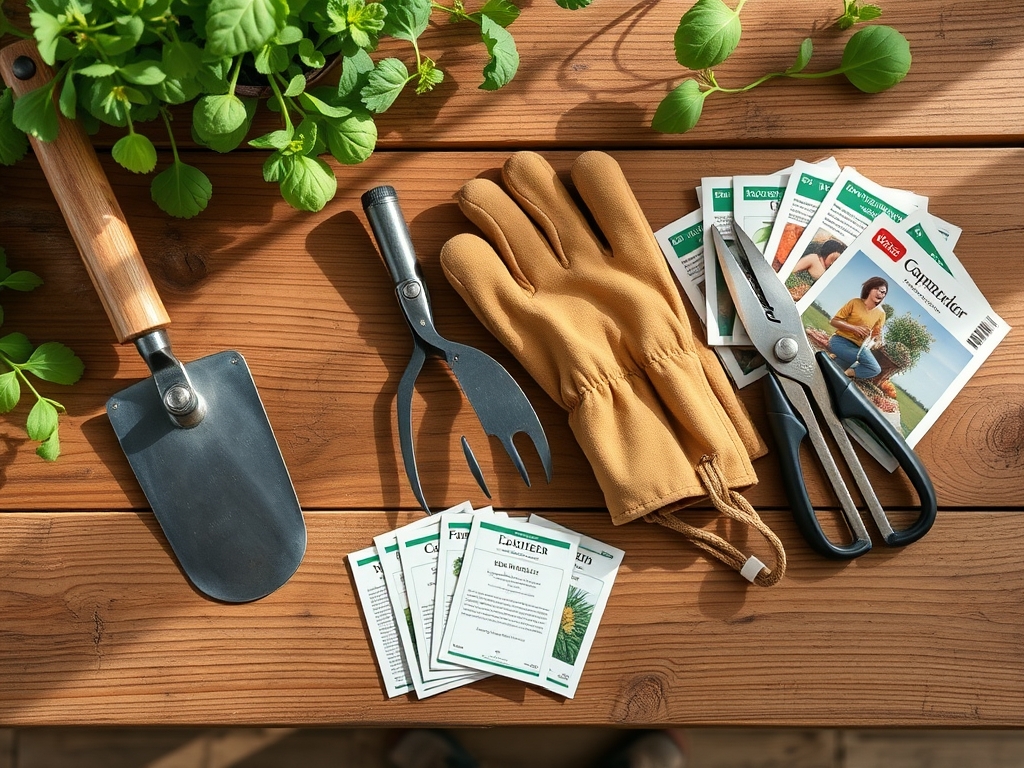
Coastal soils typically register a pH of 7.5 to 8.5 due to calcium carbonate from shell fragments. To achieve a friable loam with high water retention, you must aggregate the sand particles. Procure well-rotted leaf mold or mushroom compost with a C:N ratio of 30:1. For nutrient density, utilize a balanced 10-10-10 NPK starter fertilizer for general greens, or a 5-10-10 ratio for root crops to prevent excessive nitrogen-driven foliage at the expense of the taproot. You will also require elemental sulfur to lower pH levels toward the 6.5 ideal. The Cation Exchange Capacity (CEC) of pure sand is near zero; adding organic matter is the only way to create sites for nutrient ions to latch onto.
Timing:
Coastal gardens often reside in USDA Hardiness Zones 8 through 10, where the maritime influence buffers against extreme freezes but introduces high humidity. The biological clock for coastal planting begins when soil temperatures consistently hit 55 degrees Fahrenheit. Observe the transition from vegetative to reproductive stages by monitoring the photoperiod. Long-day plants like spinach will bolt if planted too late in the spring as daylight exceeds 14 hours. Aim for a planting window approximately two weeks after the last predicted frost to ensure the rhizosphere is warm enough for microbial activity to mobilize nitrogen.
Phases:

Sowing
Direct sow seeds at a depth three times their diameter. In sandy substrates, seeds can easily wash away or bury too deep during heavy coastal rains. Maintain a consistent moisture film on the soil surface until germination.
Pro-Tip: Utilize a light dusting of vermiculite over the seed row. The Biological Why involves maintaining seed-to-soil contact and preventing "crusting," which allows the hypocotyl to break the surface without using up its entire endosperm energy reserve.
Transplanting
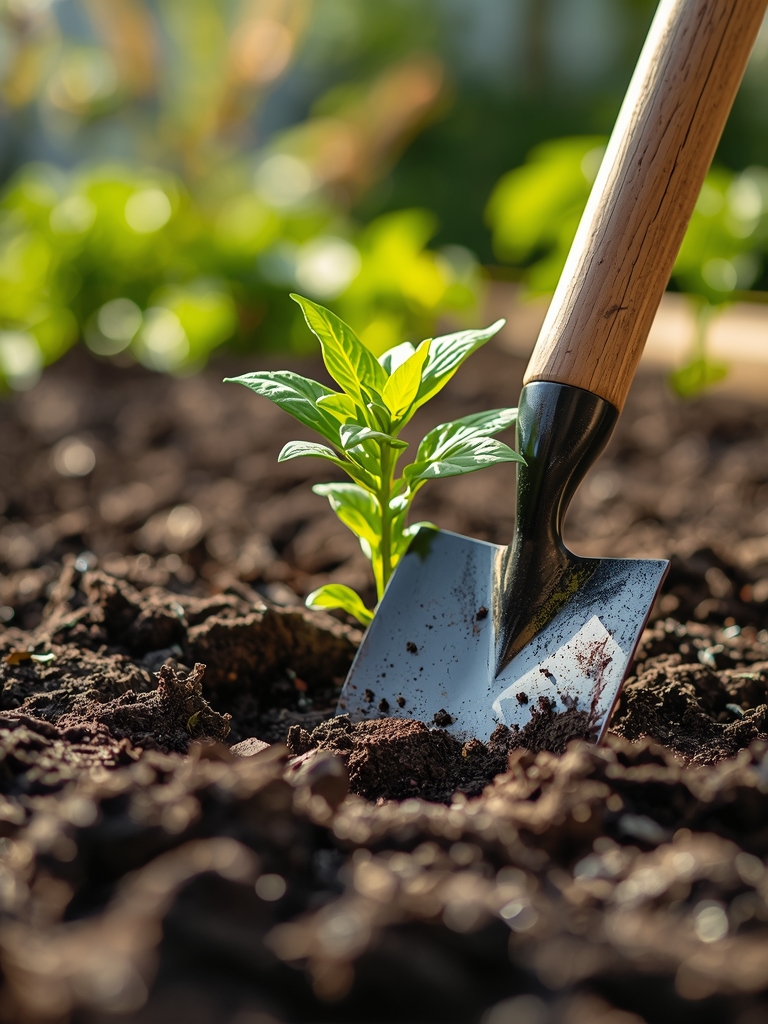
When moving seedlings from flats to the field, ensure the root ball is thoroughly saturated. Dig a hole twice the width of the container. Handle the plant by the "true leaves" rather than the stem to avoid crushing the vascular tissues (xylem and phloem).
Pro-Tip: Inoculate the planting hole with mycorrhizal fungi. The Biological Why is that these fungi form a symbiotic relationship with the roots, effectively extending the root system's reach to pull phosphorus and water from microscopic soil pores that the plant cannot reach alone.
Establishing
The first 14 days are critical for root expansion. Avoid heavy fertilization during this window to prevent "burning" new root hairs. Focus on stabilizing the plant against coastal winds using windbreaks or sacrificial cover crops.
Pro-Tip: Apply a thick layer of straw or pine bark mulch. The Biological Why involves suppressing auxin degradation caused by high soil surface temperatures; cooler roots produce more cytokinins, which promote lateral branching and a sturdier plant architecture.
The Clinic:
Physiological disorders in coastal gardens often stem from salt spray or rapid dehydration.
- Symptom: Marginal leaf burn (brown edges on leaves).
- Solution: This is often salt toxicity. Leach the soil with 2 inches of fresh water to push sodium ions below the root zone.
- Symptom: Blossom End Rot (dark, leathery spots on the bottom of tomatoes).
- Solution: This indicates a calcium deficiency, often caused by erratic watering. Maintain consistent soil moisture to ensure calcium ions move via transpiration.
- Symptom: Interveinal Chlorosis (yellowing between leaf veins).
- Solution: This is likely Nitrogen or Magnesium deficiency. Apply a foliar spray of kelp meal or Epsom salts (Magnesium Sulfate) for immediate uptake.
- Fix-It for Nitrogen Chlorosis: If the entire plant is pale green, side-dress with blood meal at a rate of 1 pound per 100 square feet. Nitrogen is highly mobile in sandy soil and must be replenished frequently.
Maintenance:
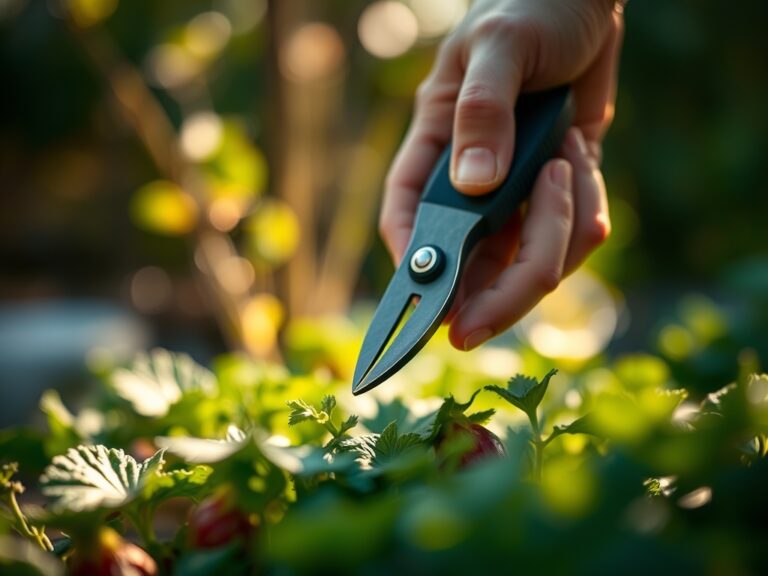
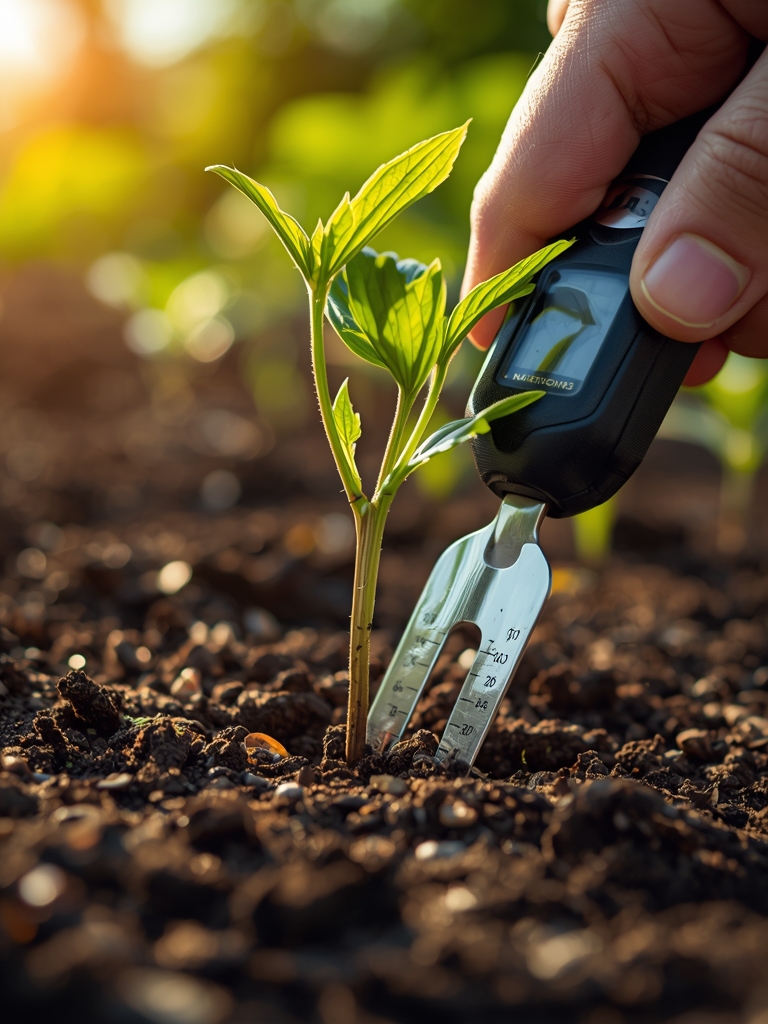
Precision is the difference between a harvest and a failure. Provide 1.5 inches of water per week delivered at the drip line. Use a soil moisture meter to verify that water is penetrating at least 6 inches deep. Use a hori-hori knife to sever tap-rooted weeds like dandelions without disturbing the shallow lateral roots of your vegetables. For pruning indeterminate tomatoes or woody herbs, use bypass pruners to make clean, slanted cuts that allow moisture to run off, reducing the risk of fungal pathogens in the humid coastal air.
The Yield:
Harvesting is a race against senescence. For leafy greens, harvest at dawn when turgor pressure is at its peak; this ensures the cell walls are fully hydrated and crisp. Use a sharp blade to make a clean cut, leaving the growing point intact if the variety allows for "cut and come again" production. For fruiting bodies like peppers or squash, harvest when the skin is glossy and the fruit is firm. Immediately submerge harvested produce in an ice-water bath for 15 minutes to remove "field heat." This slows the metabolic rate of the plant tissue, preserving sugars and extending shelf life for several days.
FAQ:
How often should I water a coastal garden?
Sandy soil loses moisture rapidly. Apply 0.5 inches of water every two to three days. Use a soil moisture meter to ensure the root zone stays between 20% and 40% volumetric water content for optimal growth.
What is the best way to lower soil pH?
Apply elemental sulfur at a rate of 1 pound per 100 square feet to drop the pH by one point. This process is slow; it requires soil bacteria to convert sulfur to sulfuric acid over several months.
Can I use seaweed as fertilizer?
Yes, but it must be thoroughly rinsed to remove sodium. Seaweed provides essential trace minerals and cytokinins. Dig it directly into the soil or use it as a mulch to improve the Cation Exchange Capacity.
Why do my plants wilt even when the soil is wet?
This is often vascular wilt or root rot caused by poor drainage or high salinity. In coastal areas, high salt concentrations can cause "physiological drought," where the plant cannot intake water due to osmotic pressure imbalances.