7 Critical Steps for Repotting a Peace Lily
Damp earth carries a sharp, metallic scent of geosmin when a healthy Peace Lily (Spathiphyllum) is pulled from its vessel. A vigorous specimen displays high turgor pressure; its petioles stand rigid and its foliage feels cool to the touch due to active transpiration. When the roots begin to circle the interior of the pot, the plant enters a state of physiological stress. Mastering the steps for repotting a peace lily ensures the specimen maintains its metabolic efficiency and avoids the stunted growth associated with root binding.
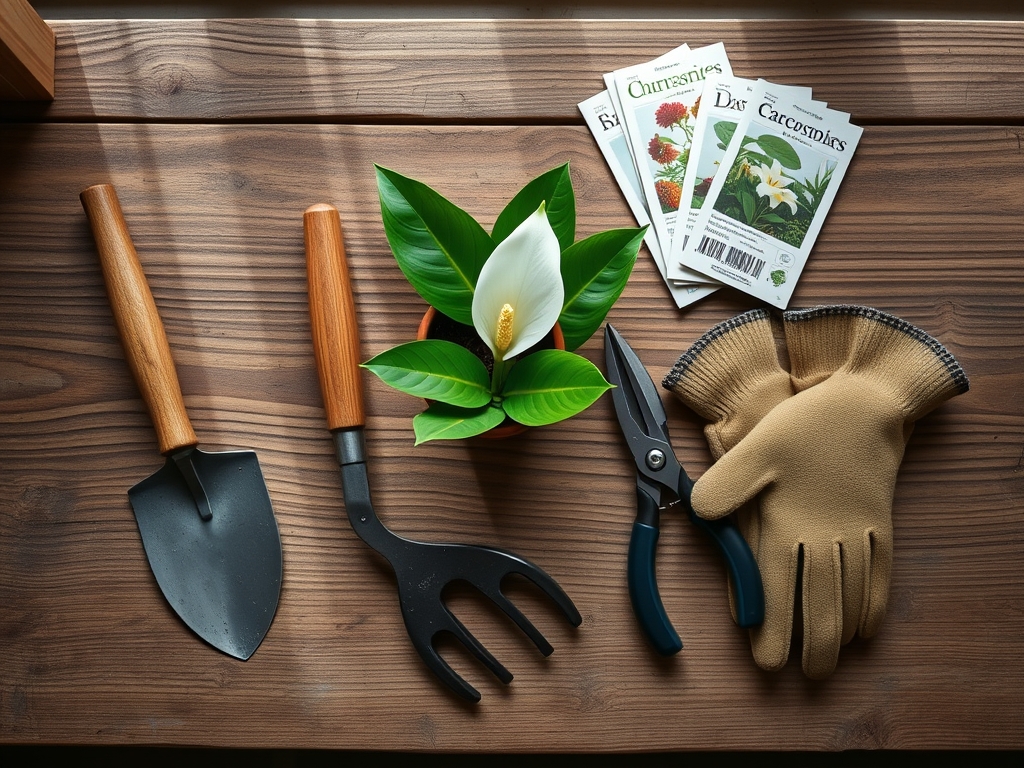
Materials:
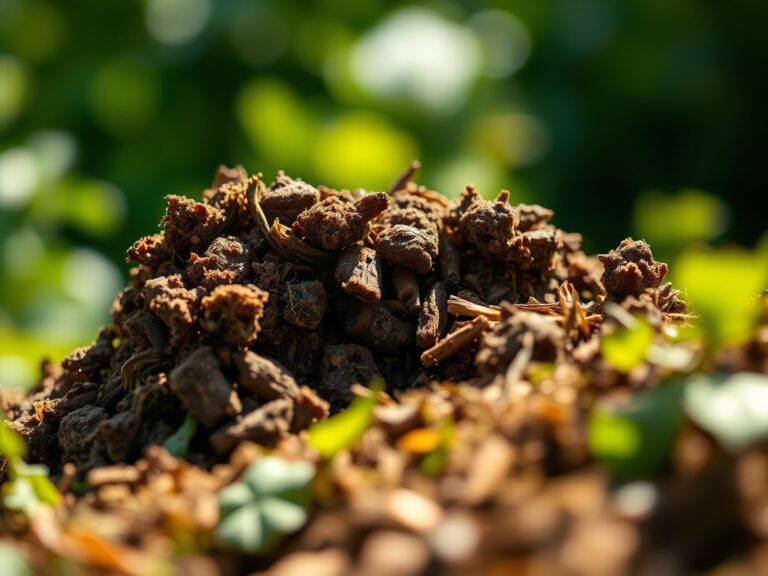
The substrate must be a **friable loam** with a high **Cation Exchange Capacity (CEC)** to facilitate nutrient uptake. Aim for a soil pH between **5.8 and 6.5**. The ideal mix consists of **60 percent peat moss or coconut coir, 20 percent perlite, and 20 percent pine bark**. This configuration prevents anaerobic conditions in the rhizosphere.
For nutrition, integrate a controlled-release fertilizer with an NPK ratio of 20-20-20 or a bloom-boosting 10-30-20 if the plant is mature. Peace Lilies are sensitive to salt accumulation; therefore, the substrate must allow for rapid leaching. Ensure the new container is only 2 inches wider in diameter than the current root mass to prevent "pot-bound" thermal fluctuations or perched water tables.
Timing:
Peace Lilies are tropical perennials typically grown in Hardiness Zones 11 and 12. Indoors, the biological clock is governed by light intensity and ambient temperature. The optimal window for repotting occurs during the spring or early summer, coinciding with the transition from semi-dormancy to active vegetative growth.
Monitor the plant for signs of senescence in older leaves or a rapid decrease in soil moisture. If the plant requires water every 24 to 48 hours, the root-to-soil ratio is imbalanced. Avoid repotting during the reproductive stage when the plant is pushing spathes; the metabolic energy should remain focused on floral development rather than root establishment.
Phases:
Sowing and Preparation
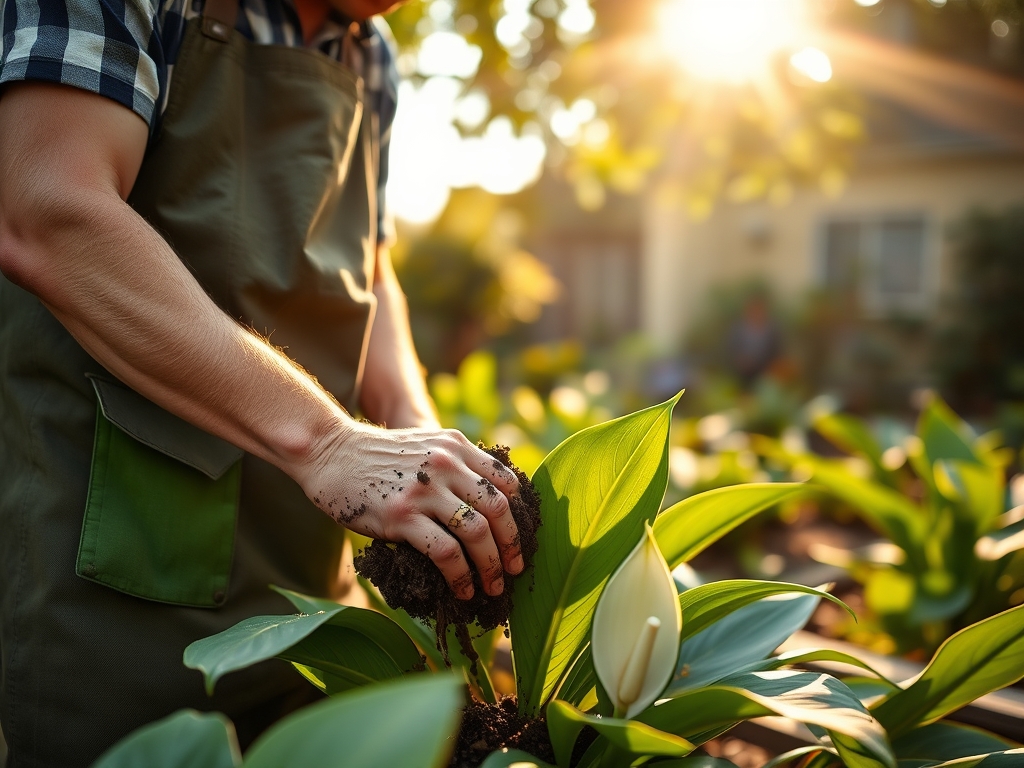
Begin by hydrating the plant 24 hours prior to the procedure. This ensures the cells are at maximum turgidity. Sterilize your bypass pruners with 70 percent isopropyl alcohol to prevent the transmission of pathogens. Carefully invert the pot and support the base of the plant; do not pull by the foliage.
Pro-Tip: If roots are tightly coiled, use a hori-hori knife to make three to four vertical incisions around the root ball. This triggers auxin suppression at the tips and stimulates lateral root branching into the new substrate.
Transplanting
Position the plant in the center of the new vessel. The crown must sit 0.5 inches below the rim to allow for efficient irrigation. Fill the voids with the prepared friable loam, tapping the sides of the pot to remove air pockets without compressing the soil. Excessive compression reduces the macropore space necessary for oxygen diffusion.
Pro-Tip: Incorporate a handful of worm castings to introduce mycorrhizal symbiosis. These fungi extend the root system's reach, improving the uptake of phosphorus and micronutrients through a symbiotic biological exchange.
Establishing
Immediately after transplanting, saturate the soil until water exits the drainage holes. This "settles" the plant and ensures immediate contact between the root hairs and the soil particles. Place the lily in a location with 1,000 to 2,500 foot-candles of light.
Pro-Tip: Maintain high humidity around the plant for the first 10 days. This reduces the transpiration rate, allowing the plant to recover from "transplant shock" without losing excessive moisture through the stomata.
The Clinic:
Physiological disorders often manifest immediately following a substrate change. Use this diagnostic guide to troubleshoot issues.
Symptom: Marginal leaf burn (brown edges).
Solution: This indicates fluoride or chlorine sensitivity. Switch to distilled water or rainwater. Peace Lilies accumulate these minerals in their leaf tips, leading to localized necrosis.
Symptom: Nitrogen chlorosis (yellowing of older leaves).
Solution: Apply a liquid fertilizer with a high nitrogen count. Nitrogen is a mobile nutrient; the plant will pull it from old growth to support new foliage if the soil is deficient.
Symptom: Epinaisty (drooping) despite wet soil.
Solution: This is a sign of root rot (Phytophthora). The roots have lost the ability to transport water. Remove the plant, prune away blackened, mushy roots, and repot in a highly porous mix with increased perlite.
Fix-It: If the soil pH rises above 7.0, iron becomes unavailable. Use a chelated iron supplement to restore the deep green color of the foliage.
Maintenance:
Precision is required for long-term health. Use a soil moisture meter to ensure the substrate remains at a "4" or "5" on a 10-point scale. Generally, provide 1.5 inches of water per week, distributed evenly across the soil surface.
Clean the leaves monthly with a damp cloth to remove dust. Dust buildup blocks the stomata and reduces photosynthetic efficiency. Every six months, flush the pot with a volume of water equal to two times the pot's capacity to leach out accumulated fertilizer salts. Use bypass pruners to remove spent blooms at the base of the peduncle to redirect energy toward vegetative vigor.
The Yield:
While Peace Lilies are not edible, their "yield" is measured in the production of white spathes. To maximize flowering, ensure the plant receives a photoperiod of 12 to 14 hours of bright, indirect light. Once a spathe begins to turn green, it has entered the stage of senescence.
Cut the flower stalk as close to the rhizome as possible using a sterilized blade. For "day-one" freshness in a floral arrangement, sear the bottom inch of the stem in boiling water for 10 seconds to seal the vascular tissue before placing it in a vase of room-temperature water.
FAQ:
How do I know when to repot my Peace Lily?
Repot when roots emerge from drainage holes or the plant wilts within two days of watering. If you see salt crusting on the soil surface or the plant stops producing new leaves, the substrate is likely exhausted.
What is the best soil for a Peace Lily?
Use a peat-based potting mix with a pH of 5.8 to 6.5. Ensure it contains at least 20 percent perlite for aeration. The mix must be friable and hold moisture without becoming waterlogged or anaerobic.
Can I divide my Peace Lily during repotting?
Yes. Gently pull the rhizomes apart at natural junctions. Ensure each division has at least two to three leaves and a healthy root mass. Use a sharp, sterile knife to cut connecting tissue if necessary.
Why are the leaves on my Peace Lily turning yellow after repotting?
This is typically "transplant shock" or overwatering. Ensure the drainage is adequate and the plant is not sitting in stagnant water. Check the NPK levels; yellowing of new growth may indicate a micronutrient deficiency like iron.