7 Layers for Preparing Garden Beds for No-Dig Gardening: The Layering Method
The scent of ozone hangs in the air after a spring rain, and the rich, earthy smell of damp soil is stronger than any bagged fertilizer. This is what your garden should smell like when it’s alive and ready to work. If you’re tired of breaking your back double-digging every year, watching your tilth vanish, and fighting the same weeds, there is another way. It starts with how to prepare garden beds for no-dig gardening. This method isn’t about building a garden from scratch; it’s about building one from the top down, letting microbiology do the heavy lifting while you layer on the fuel.
Materials & Supplies
You don’t need fancy equipment, but you do need specific components. Think of them as the ingredients for a slow-cooked meal for your soil.
* **Base Layer (Cardboard or Newsprint):** Plain brown cardboard. Remove all tape and glossy inks. Corrugated is best. Alternatively, 3-4 overlapping sheets of black-and-white newspaper.
* **Organic Matter (Your “Lasagna” Layers):**
* **High-Nitrogen “Green” Material:** Fresh grass clippings (avoid herbicide-treated), kitchen scraps (no meat), spent coffee grounds, alfalfa pellets, or fresh weeds (before they seed).
* **High-Carbon “Brown” Material:** Straw (not hay, which has seeds), shredded fall leaves, hardwood sawdust (well-aged), or small, broken-up twigs.
* **Compost:** Finished, cooled compost. It’s your microbial starter culture. Aim for 2-3 cubic yards per 100 square feet.
* **Topsoil/Amendments:** If starting on poor subsoil, a 2-inch layer of topsoil to cap it off. Incorporate specific amendments like a cup of bone meal per square foot for phosphorus or greensand for potassium if your soil tests indicate deficiency.
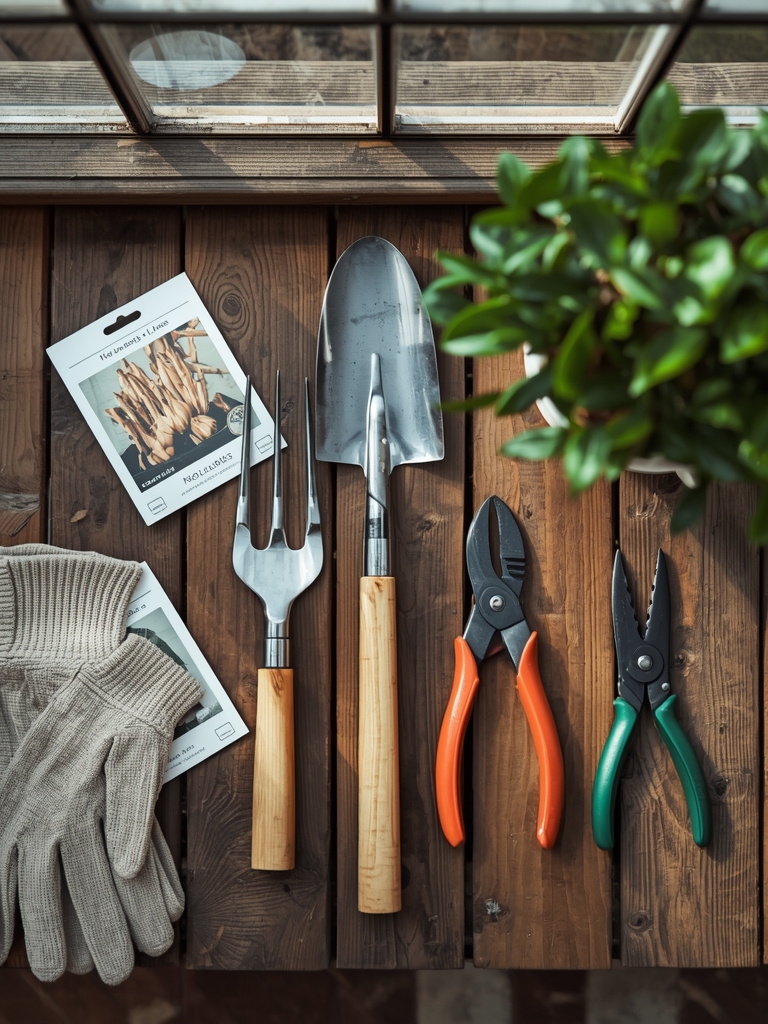
* **Tools:** A good hose for watering layers, a wheelbarrow, a garden fork (not a shovel), and a pair of sharp gloves to handle cardboard.
Timing / Growing Schedule
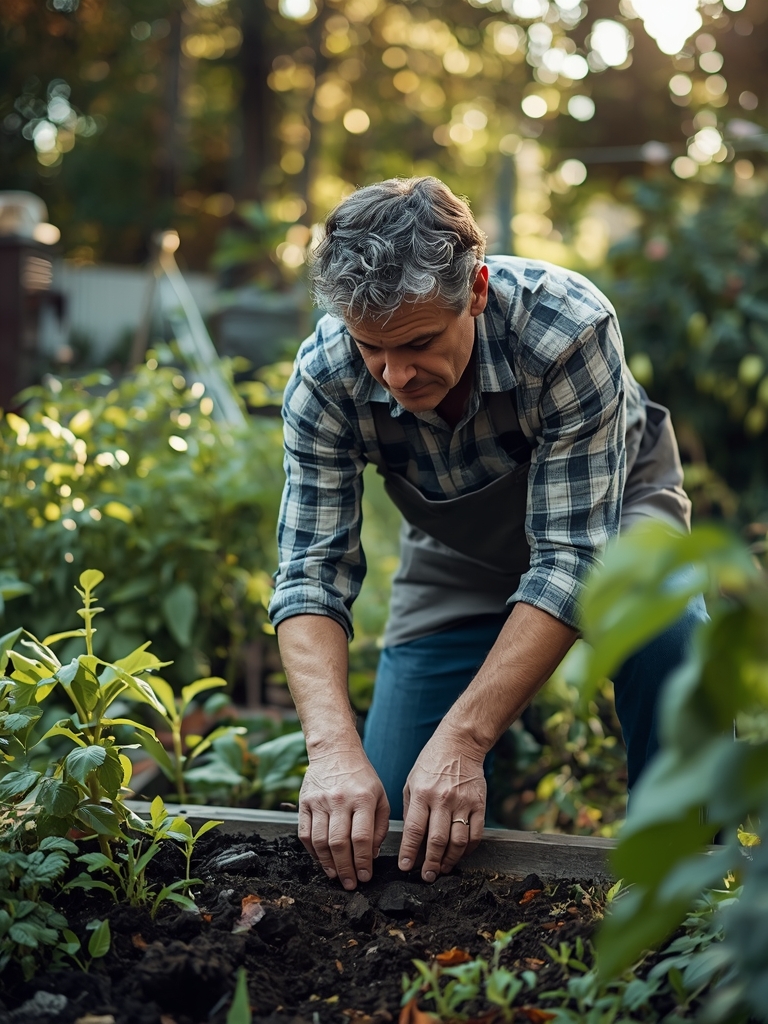
Timing is your biggest leverage. Begin building your beds in the fall. This gives winter’s freeze-thaw cycles and early spring rains time to meld the layers, allowing saprophytic fungi and decomposers to establish. For spring planting, build beds at least 4-6 weeks before your last frost date. If you’re in Hardiness Zones 5-8, the fall-to-spring timeline is perfect. In warmer zones (9-10), you can build and plant within a month. For colder zones (3-4), focus on fall building for the following summer. The “days to maturity” for your first no-dig crop will often be shorter than in tired soil, as roots hit ready nutrients immediately.
Step-by-Step Instructions
Phase 1: Site Preparation & Base Layer
Clear the area of perennial weed tops like bindweed or dandelion. Cut them back, don’t dig them out. Soak the ground thoroughly. Lay your cardboard or newsprint directly on the damp soil, overlapping edges by 8 inches to block light. Soak this layer completely. It becomes an impenetrable barrier and, in 6-8 weeks, a food source for worms.
- Pro-Tip: On windy days, temporarily weigh cardboard with a few handfuls of the “brown” material you’ll use next. It keeps the sheet from lifting and lets you start layering immediately.
Phase 2: Building the “Lasagna”
Apply a 2-inch layer of your high-carbon “brown” material over the wet cardboard. Follow this with a 2-inch layer of high-nitrogen “green” material. The ideal carbon-to-nitrogen ratio for decomposition is around 30:1; this layering mimics that. Water each layer lightly as you build—think moist, not soggy. Add a 3-inch layer of finished compost. This introduces the nitrifying bacteria and mycorrhizal fungi that will colonize the entire bed. Cap with 2-4 inches of topsoil or a final layer of compost if planting directly.
- Pro-Tip: For beds destined for heavy feeders like tomatoes or squash, add a thin, intermediary layer of alfalfa pellets (½ inch) between the green and compost layers. They act as a slow-release nitrogen booster.
Phase 3: Planting & Initial Care
You can plant seeds or transplants directly into the top layer immediately. For transplants, make a small hole into the compost layer to set the roots. Water in well. The bed will settle over the first few weeks; top-dress with a little extra compost if you see significant sinking around plants.
- Pro-Tip: In the first season, side-dress heavy feeders with compost tea every 3 weeks. It provides soluble nutrients while the deeper layers continue to break down.
Nutritional & Environmental Benefits
The nutritional payoff is indirect but profound. No-dig beds foster a diverse soil microbiome, including bacteria that facilitate nitrogen fixation and fungi that make phosphorus more available. This biological activity translates to plants with higher nutrient density—more vitamin C in peppers, more lycopene in tomatoes. Environmentally, you’re sequestering carbon in the soil, creating a habitat for earthworms and predatory beetles that control pests like aphids, and eliminating runoff from tilled, exposed earth.
Advanced Methods & Variations
For Small Spaces/Containers: The principles scale down. Use a fabric grow bag or deep wooden box. Substitute the cardboard base with a single layer of moist newsprint. Your “lasagna” will be thinner—aim for total depth of 10-12 inches. Use a premium, blended potting mix as your final cap.
For Organic/Permaculture Methods: Source all materials from your property. Use chop-and-drop trimmings from comfrey or cover crops as your “green” layer. Plant perennial herbs like oregano or thyme at the bed edges; their roots will help structure the soil without intrusion.
For Season Extension: No-dig beds warm faster in spring. Pair them with a simple, 6-inch layer of straw mulch after planting to retain heat and moisture. In fall, after harvest, add a fresh “green” layer (like cut annuals) and cover with straw to protect the microbiology over winter, creating a ready bed for early spring transplants.
Troubleshooting: Common Mistakes
Slumping & Poor Drainage
Symptom: Bed becomes waterlogged, sinks dramatically, plants show signs of rot.
Solution: You used too much “green” material without sufficient “brown” structure. Rebalance by adding a 1-inch layer of straw and fork it lightly into the top few inches to create air pockets.
Persistent Weed Pressure
Symptom: Weeds, especially annuals like chickweed, appear through the top layer.
Solution: The cardboard base was too thin or dried out before layering. Next time, use double the cardboard and keep it soaked. For now, hand-pull and add a ½-inch top-dress of compost to smother new seeds.
Slow Plant Growth in First Season
Symptom: Plants establish but seem sedentary, lacking vigor.
Solution: The microbial network hasn’t fully linked. Boost it with a drench of mycorrhizal inoculant or a top-dressing of worm castings. Ensure your compost layer was truly “finished”—hot, immature compost can temporarily tie up nitrogen.
Storage & Ongoing Maintenance
Your main “storage” is the bed itself—it’s a living pantry. Annual maintenance is simple. Each fall, after clearing spent plants, add a new 2-inch combined layer of “green” and “brown” material directly on the surface. Each spring, top-dress with 1 inch of fresh compost before planting. Watering follows the standard 1 inch per week rule, but no-dig beds often require 25% less due to superior moisture retention. Fertilizing is replaced by this annual top-dressing schedule. Post-harvest, leave roots in place to decompose and feed the next cycle.
Conclusion
The blueprint is clear: smother, layer, feed, and never disturb. You build from the top, feed the fungi, and let the soil’s own engine do the work. In three seasons, you’ll have a bed that feels like forest floor humus—dark, crumbly, and smelling of life. Grab that cardboard, stack your layers, and get your first bed started this weekend.
Expert FAQs
Can I start a no-dig bed over an existing lawn?
Yes, absolutely. It’s the ideal method. The grass and its roots become the first “green” layer under the cardboard, decomposing and adding organic matter directly.
How deep should a finished no-dig bed be?
A functional depth is 10-12 inches. Over 2-3 years of annual top-dressing, it will deepen to 18-24 inches as material fully integrates into the subsoil.
Do I need to worry about termites or pests from the cardboard?
No. The cardboard is soaked and quickly decomposed by fungi and earthworms. It does not create a habitat for structural pests like termites.
Can I use wood chips as a “brown” layer?
Use only small, partially decomposed chips. Fresh, large arborist chips have a high carbon ratio and can temporarily create a nitrogen deficit at the root zone. Aged hardwood sawdust is a safer choice.
How do I manage slugs in a no-dig system?
The mulch-like environment can favor slugs early on. Use a shallow dish of beer as a trap at bed edges for the first few weeks, or encourage predatory ground beetles by providing small, flat stones as shelter.