7 Organic Steps for Treating Iron Deficiency
The smell of damp, oxygenated earth indicates a healthy rhizosphere; yet, when the turgor of a leaf fails and the tissue between the veins turns a sickly pale yellow, the plant is signaling a metabolic crisis. Interveinal chlorosis is the primary indicator of iron deficiency. This physiological stall occurs when the plant cannot synthesize chlorophyll due to high soil pH or poor drainage. You must act with precision. These Steps for treating iron deficiency with compost focus on lowering alkalinity and increasing the bioavailability of micronutrients through organic chelation. By integrating well-rotted organic matter into the top four inches of the soil profile, you introduce humic acids that keep iron in a soluble state. This process ensures that iron ions remain accessible to the root hairs rather than becoming locked in the soil matrix as insoluble ferric oxides. Successful remediation requires a systematic approach to soil chemistry rather than a haphazard application of supplements.
Materials:
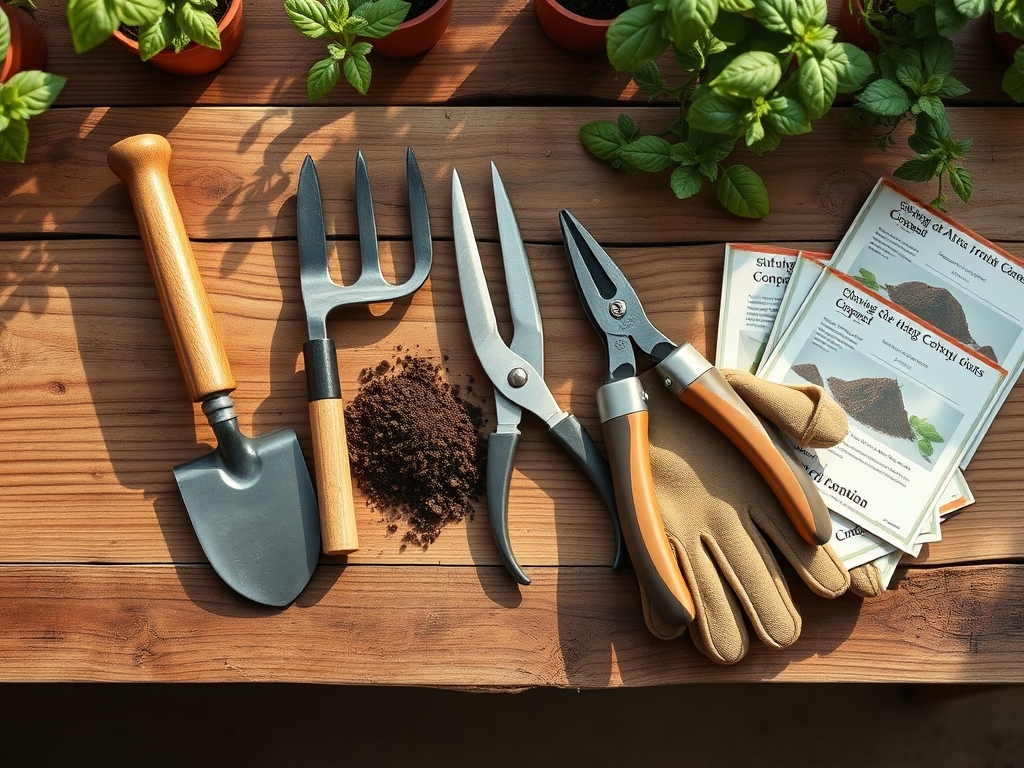
To resolve iron chlorosis, you must curate a substrate with a **pH between 5.5 and 6.5**. The ideal physical texture is a **friable loam** that allows for gas exchange and prevents anaerobic conditions. Collect the following inputs based on their chemical profiles:
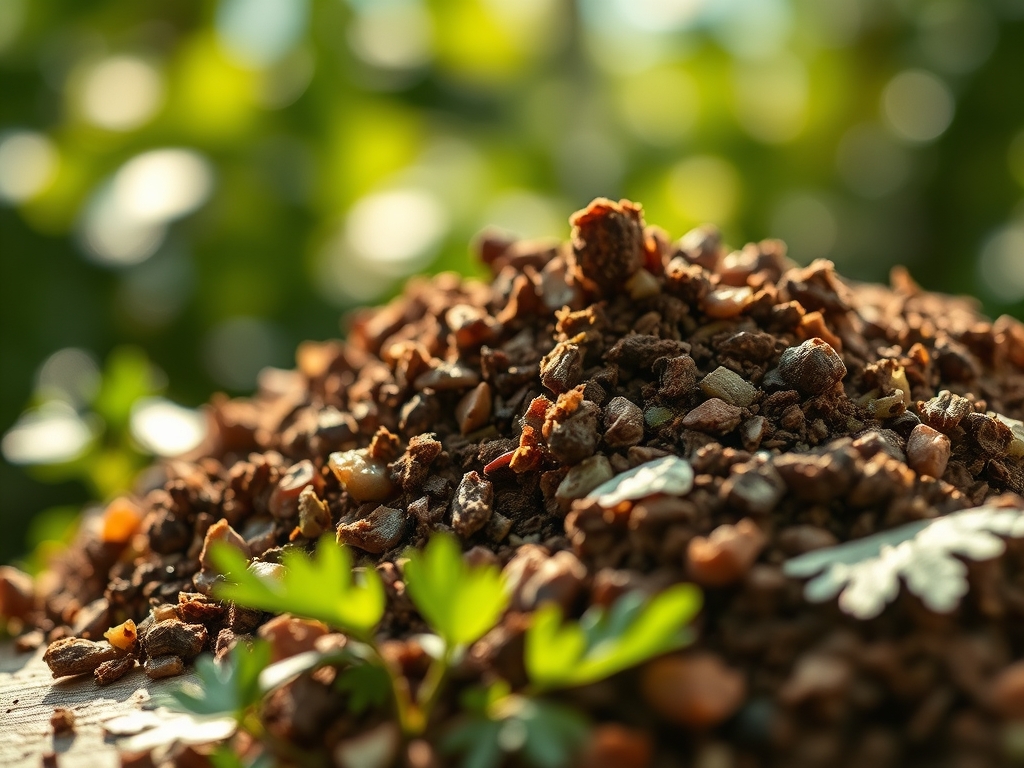
* **Finished Leaf Mold Compost**: This should have a neutral to slightly acidic pH and a high **Cation Exchange Capacity (CEC)** to hold onto micronutrients.
* **Elemental Sulfur**: Used to lower soil pH over time; apply at a rate of **1 pound per 100 square feet** to drop the pH by one full point in sandy soils.
* **Chelated Iron (Organic-Compliant)**: Look for **Iron EDDHA** for alkaline soils or **Iron EDTA** for slightly acidic conditions.
* **Pine Bark Fines**: These provide structural integrity and have an inherent pH of **4.0 to 5.0**, which helps create acidic micro-pockets.
* **Balanced Organic Fertilizer**: An NPK ratio of **4-3-4** or **5-5-5** ensures that macro-nutrient levels do not plummet while you focus on micronutrient correction. Avoid high phosphorus fertilizers, as phosphorus can inhibit iron uptake.
Timing:
Timing is dictated by the Hardiness Zones 3 through 9 and the specific metabolic windows of the species. In cooler zones, initiate soil amendments at least four weeks before the last spring frost. This allows soil microbes to begin the mineralization process. The "Biological Clock" of the plant is critical; iron uptake is highest during the transition from the vegetative stage to the reproductive stage. If you wait until senescence begins, the plant will not have the metabolic energy to utilize the added iron. Monitor soil temperatures; microbial activity, which is essential for breaking down compost into plant-available nutrients, peaks when soil temperatures reach a consistent 55 to 65 degrees Fahrenheit.
Phases:

Sowing and Soil Preparation
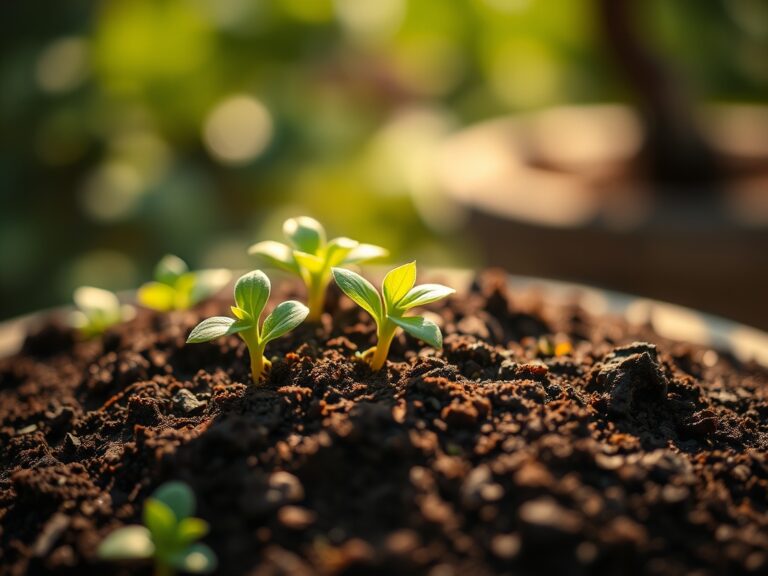
Before a single seed hits the ground, the soil must be primed. Incorporate 3 inches of finished compost into the planting site. This increases the organic matter percentage, which acts as a buffer against pH fluctuations. Ensure the soil is moist but not saturated to prevent compaction.
Pro-Tip: Increasing organic matter boosts mycorrhizal symbiosis. These beneficial fungi extend the reach of the root system, secreting organic acids that dissolve mineral iron and transport it directly to the plant's vascular system.
Transplanting
When moving a seedling from a container to the field, minimize root disturbance to maintain turgor pressure. Dig a hole twice the width of the root ball and backfill with a 50/50 mix of native soil and acidic compost. Apply a liquid seaweed extract to provide immediate trace minerals.
Pro-Tip: Root wounding during transplanting can trigger auxin suppression, which halts growth. Maintaining a consistent temperature at the root zone during this phase ensures the plant continues to produce the enzymes necessary for iron transport.
Establishing and Monitoring
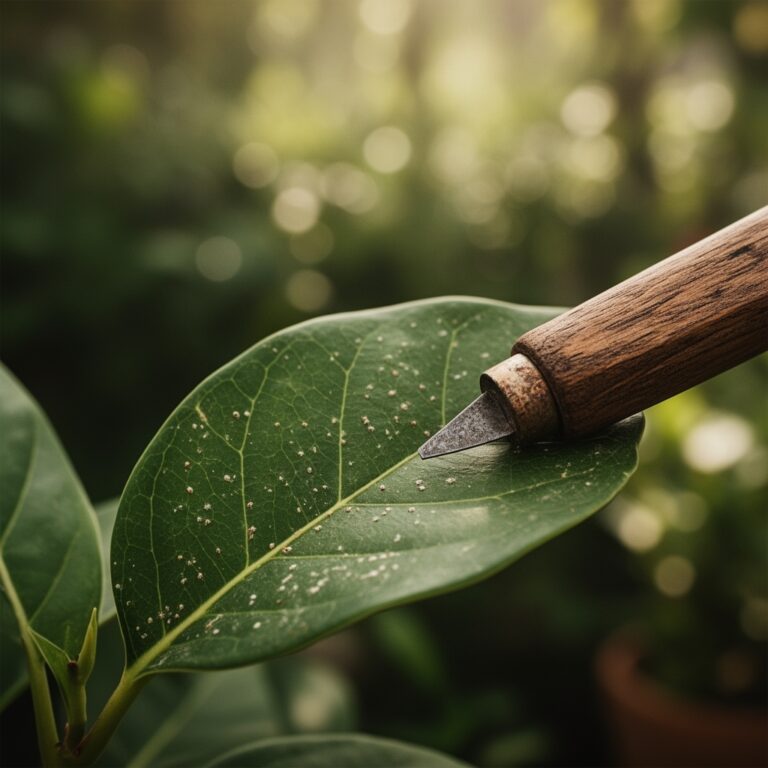
Once the plant is established, observe the newest growth. Iron is an immobile nutrient; therefore, symptoms always appear on the youngest leaves first. If yellowing persists, apply a foliar spray of liquid iron at a concentration of 0.1 percent to provide a temporary bridge while the soil amendments take effect.
Pro-Tip: Plants utilize phototropism to maximize light absorption, but without iron, the chloroplasts cannot function. Ensuring the plant has adequate iron allows it to convert that light energy into chemical energy through the electron transport chain.
The Clinic:
Diagnosing physiological disorders requires a cold, analytical eye.
- Symptom: Interveinal chlorosis on young leaves while veins remain dark green.
- Solution: Iron deficiency. Apply compost tea acidified with a small amount of vinegar or citric acid to lower the immediate rhizosphere pH.
- Symptom: General yellowing of the entire plant, starting with the oldest leaves.
- Solution: Nitrogen chlorosis. Unlike iron, nitrogen is mobile. Apply a high-nitrogen organic meal, such as blood meal (12-0-0), at a rate of 2 pounds per 100 square feet.
- Symptom: Purple or reddish tinting on the undersides of leaves.
- Solution: Phosphorus deficiency. This often occurs in cold soils where phosphorus is locked. Increase soil temperature with mulch or wait for seasonal warming.
- Symptom: Marginal leaf burn or necrosis on older foliage.
- Solution: Potassium deficiency. Apply sulfate of potash to improve water regulation and enzyme activation within the plant cells.
Maintenance:
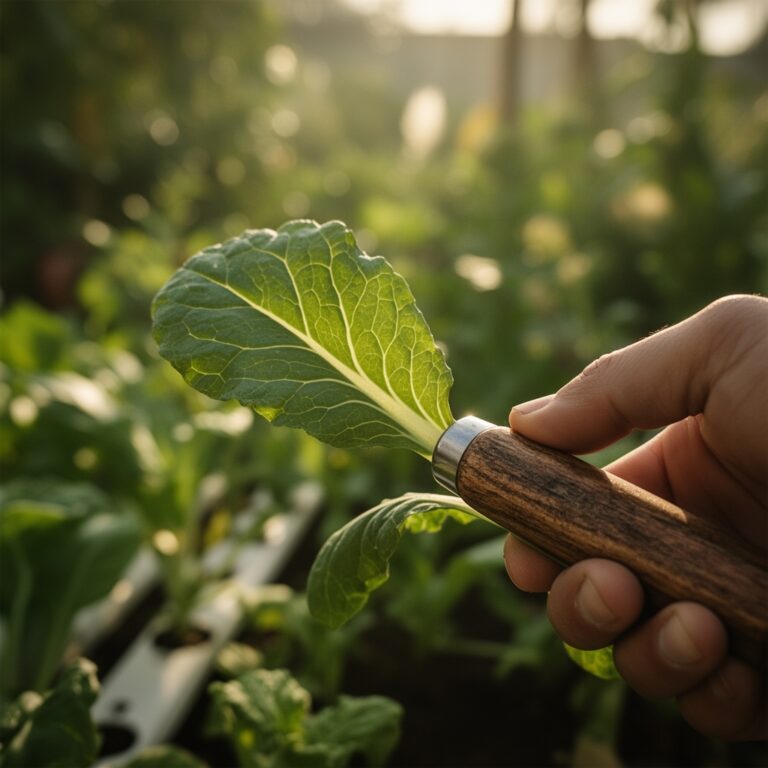
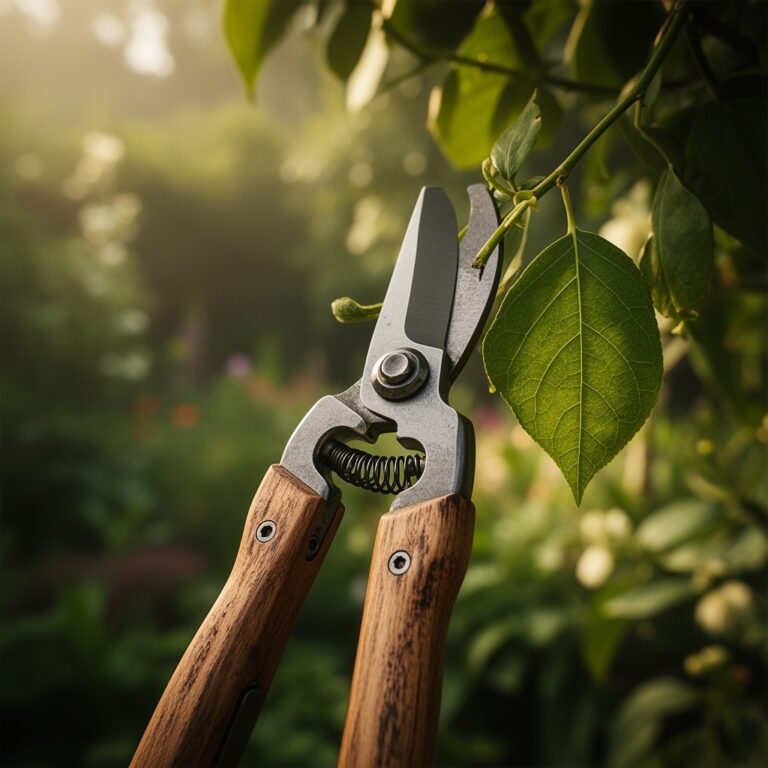
Precision maintenance prevents the recurrence of deficiency. Use a soil moisture meter to ensure the root zone stays between 60 and 80 percent field capacity. Overwatering displaces oxygen, leading to root rot and the inability to absorb iron. Deliver 1.5 inches of water per week at the drip line using a soaker hose to keep the foliage dry. Use a hori-hori knife to remove weeds that compete for micronutrients within a 12 inch radius of the main stem. Every spring, use bypass pruners to remove dead or diseased wood, which reduces the overall nutrient demand on the root system. Re-test soil pH every 6 months to monitor the impact of your amendments.
The Yield:
For fruiting or flowering plants, the payoff of iron remediation is a robust harvest. Harvest leafy greens when they reach full size but before the flower stalk emerges to ensure maximum nutrient density. Use sharp shears to cut stems at a 45 degree angle to prevent crushing the vascular tissue. For "day-one" freshness, submerge the base of the stems in 40 degree Fahrenheit water immediately after cutting. This rapid cooling slows down the respiration rate and preserves the sugars and vitamins within the plant tissues.
FAQ:
How do I know if I have iron deficiency?
Look for interveinal chlorosis on the newest growth. The leaf blades will turn yellow or white while the veins remain distinctively green. This indicates the plant cannot produce chlorophyll due to a lack of available iron in the soil.
Can I use too much compost?
Excessive compost can lead to high phosphorus levels, which compete with iron for uptake. Maintain organic matter between 5 and 8 percent. Always verify nutrient levels with a professional soil test before adding heavy annual applications of compost.
How fast does iron deficiency go away?
Foliar applications show results within 48 to 72 hours. Soil-based corrections using compost and sulfur are slower; they typically require 3 to 6 weeks of active growth to show visible improvement in new leaf tissue development.
What is the best pH for iron uptake?
Iron is most soluble and available to plants when the soil pH is below 6.5. As pH rises above 7.0, iron becomes chemically "locked" in the soil, making it inaccessible to most plant species regardless of the total iron volume.