7 Step-by-Step Guide to Sharpening Your Garden Spade for Cleaner Digging
The metallic scrape of a dull spade against clay soil produces a sound every gardener learns to dread. Instead of slicing cleanly through the earth, a neglected blade crushes soil structure, tears through root systems, and transforms what should be precision work into exhausting labor. Learning the steps for sharpening a garden spade edge takes less than thirty minutes but transforms your entire digging experience, reducing strain on your back and protecting the delicate soil ecosystem you've worked seasons to build.
A sharp spade creates clean cuts that heal faster on plant roots, minimizes soil compaction, and allows you to work longer with less fatigue. Professional landscapers sharpen their blades every 20 hours of use, yet most home gardeners go years without proper maintenance. The difference shows immediately in how easily the blade penetrates compacted clay or slices through fibrous roots without deflection.
Materials & Supplies
Sharpening Tools:
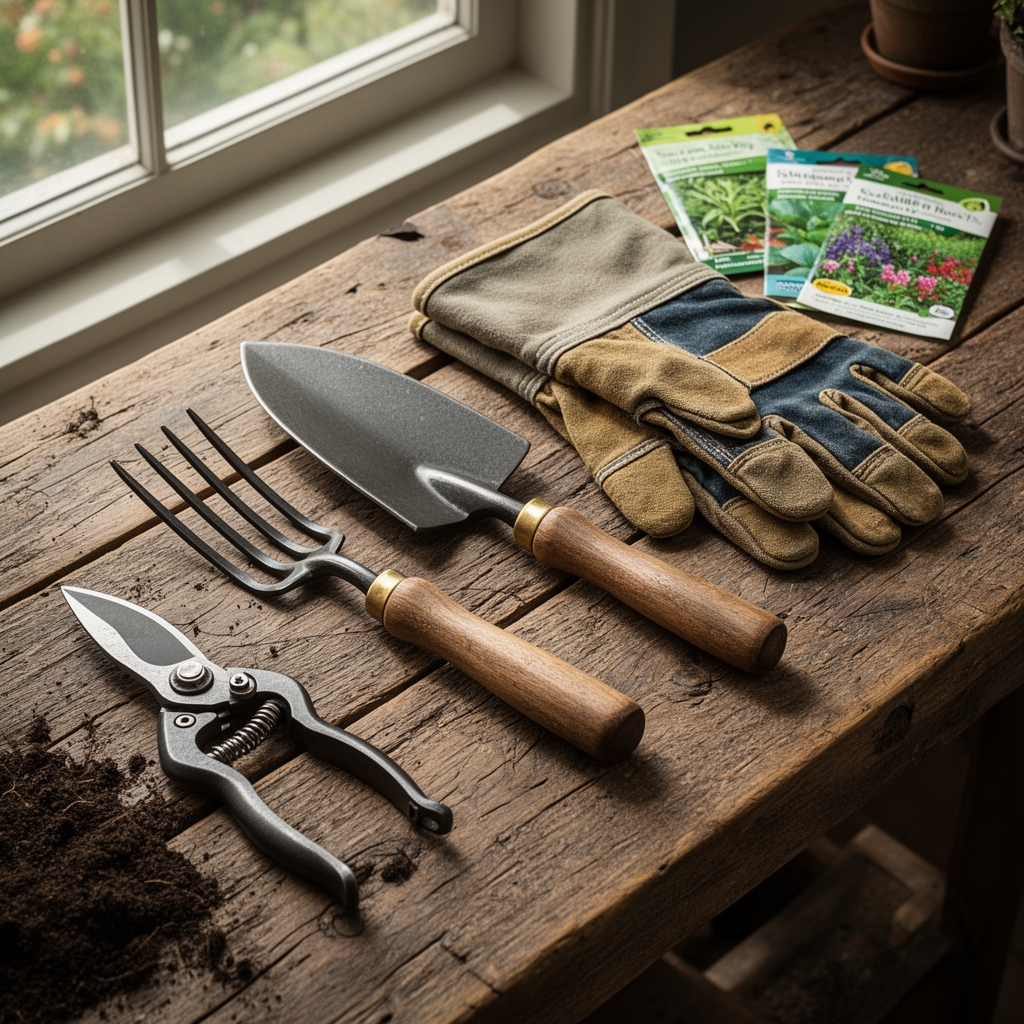
- 10-inch mill bastard file (coarse, single-cut pattern)
- Angle grinder with 4.5-inch grinding wheel (80-grit aluminum oxide)
- Bench vise or portable workmate
- Safety glasses and leather work gloves
- Wire brush for removing soil deposits
- Linseed oil for blade protection
Cleaning Supplies:
- Stiff bristle brush
- Bucket of clean water
- White vinegar solution (1:1 ratio) for rust removal
- Steel wool (medium grade)
- Shop rags or cotton towels
Optional Finishing Materials:
- Honing stone (400-grit whetstone)
- Penetrating oil (WD-40 or equivalent)
- Rust preventative spray
- File card for cleaning file teeth
Store files in a dry location away from moisture. A quality mill file costs between $12 and $18 but lasts through dozens of sharpenings if properly maintained. Never use files on wet metal, as this dulls the teeth prematurely and creates surface rust.
Timing & Frequency Schedule
Sharpen garden spades based on soil type and usage intensity. Sandy loam soils (pH 6.0-7.0) cause less wear than heavy clay (pH 5.5-6.5). Professional standards recommend sharpening every 15-20 hours of active digging in average conditions.
Seasonal Maintenance Calendar:
- Early spring (March-April): Complete sharpening before bed preparation
- Mid-summer (July): Touch-up sharpening after spring planting season
- Fall (October): Major sharpening before root vegetable harvest
- Winter storage (December): Final sharpening and rust prevention before storage
Heavy clay soils and rocky conditions double blade wear rates. If you work compacted earth regularly, inspect blade edges weekly during active seasons. A fingernail test reveals sharpness: if you can't feel a distinct edge, the blade needs attention.
Usage Intensity Guide:
- Light use (1-2 hours weekly): Sharpen twice annually
- Moderate use (5-10 hours weekly): Sharpen quarterly
- Heavy use (20+ hours weekly): Sharpen monthly
Step-by-Step Instructions

Step 1: Clean the Blade Surface
Remove all soil deposits using a stiff brush and water. Caked clay harbors moisture that accelerates rust formation and hides existing blade damage. Scrub both sides until bare metal shows through. For stubborn rust spots, apply white vinegar solution and let sit for 10 minutes before scrubbing with steel wool.
Pro-Tip: Warm water softens dried clay faster than cold. Add a tablespoon of dish soap to break surface tension and penetrate soil particles more effectively.
Step 2: Secure the Spade
Clamp the spade blade-up in a bench vise, positioning it so the cutting edge faces away from your body at a comfortable working height. Tighten the vise on the blade shoulders, never on the cutting edge itself, which can create stress fractures in the metal.
Pro-Tip: Wrap vise jaws with rubber or leather scraps to prevent marring the blade finish. This becomes critical if you're sharpening stainless steel or powder-coated tools.
Step 3: Identify the Existing Bevel Angle
Most garden spades come factory-ground at 45 degrees. Hold your file against the existing bevel to match this angle. Maintaining consistent factory angles preserves blade geometry and prevents weakening the edge. Steeper angles (55-60 degrees) suit rocky soil but dull faster. Shallower angles (35-40 degrees) slice easily but chip in hard conditions.
Pro-Tip: Mark the correct angle on the file handle with permanent marker as a visual reference. This eliminates guesswork during subsequent sharpenings.
Step 4: File the Primary Edge
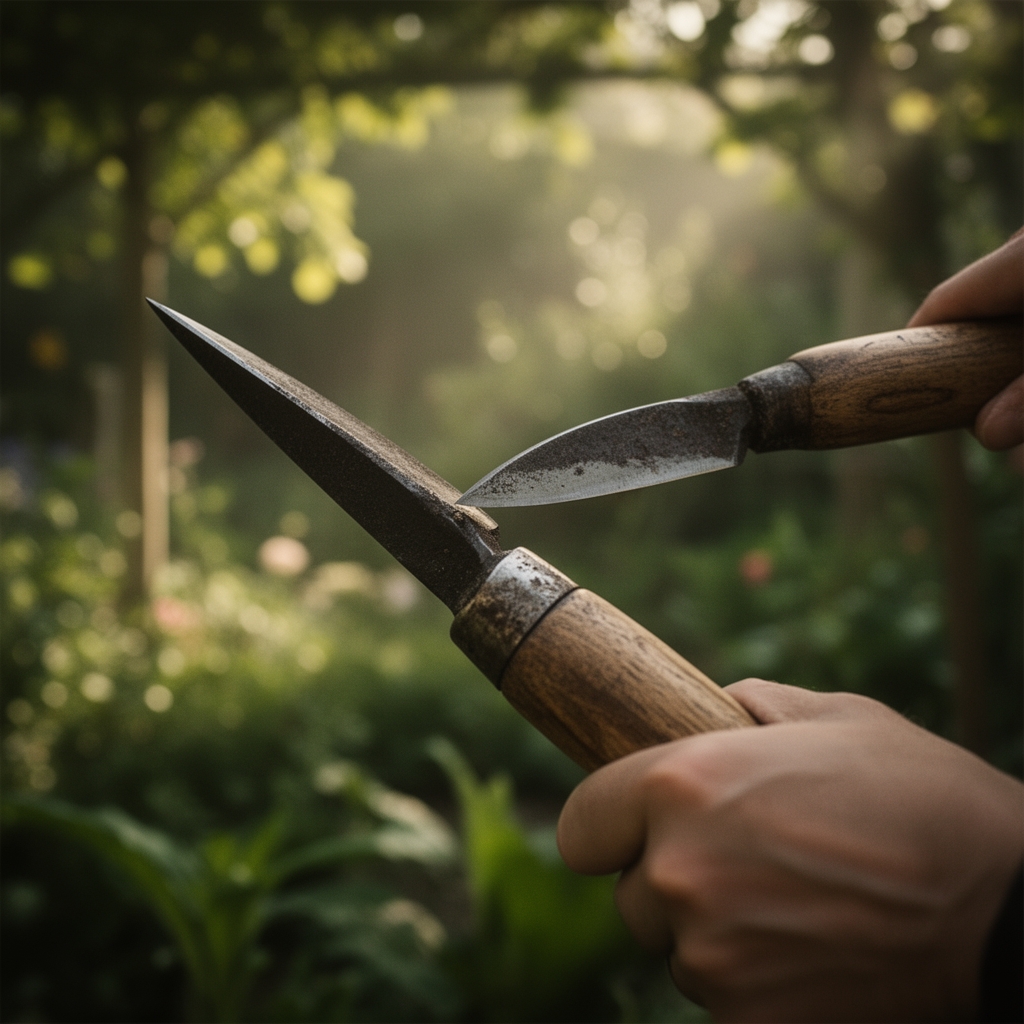
Push the file across the blade in smooth, single-direction strokes from handle to tip. Apply moderate downward pressure on the forward stroke, then lift the file completely on the return. Count your strokes (typically 15-20 per side) to maintain symmetry. File only the beveled side, never the flat back of the blade.
Pro-Tip: Listen for the file's cutting sound. A high-pitched singing indicates proper pressure and angle. Silence means insufficient pressure; grinding noise means too much force or wrong angle.
Step 5: Remove the Burr
After filing one side, a thin metal burr forms on the opposite edge. Flip the spade and make three to five light passes with the file held flat against the back surface. This removes the burr without creating a second bevel. Run your thumb perpendicular to the edge (carefully) to confirm smoothness.
Pro-Tip: A burr indicates you've reached fresh metal. If no burr forms after 20 strokes, you're not applying enough pressure or the file teeth are clogged with metal particles.
Step 6: Test and Refine Sharpness
A properly sharpened spade should slice through newspaper held vertically or shave hair from your forearm. Test the edge on a piece of cardboard, making perpendicular cuts. The blade should penetrate smoothly without tearing or deflecting. If it catches or tears, repeat filing for another 10 strokes per side.
Pro-Tip: Check sharpness along the entire edge, not just the center. Corners and tip areas often need extra attention since they contact rocks and roots more frequently.
Step 7: Protect and Store
Wipe the blade with linseed oil using a clean rag. This creates a protective barrier against moisture and soil acids. Store the spade hanging vertically or leaning against a wall, never blade-down on concrete, which traps moisture and promotes rust. Reapply oil monthly during active seasons, weekly during humid summer storage.
Pro-Tip: Heat the blade slightly with a heat gun before applying oil. Warm metal accepts oil penetration better, creating a longer-lasting protective coat that survives wet soil conditions.
Nutritional & Environmental Benefits
Sharp tool edges benefit soil health by creating clean cuts rather than crushing soil aggregates. Crushed soil loses pore space where mycorrhizal fungi colonize root zones and facilitate nutrient exchange. A sharp spade preserves these microscopic structures essential for phosphorus uptake and water retention.
Soil Structure Preservation:
Clean cuts maintain the delicate balance between macro-pores (0.08mm-3mm) that drain excess water and micro-pores (under 0.08mm) that store plant-available moisture. Dull blades compress these spaces, creating anaerobic zones where beneficial bacteria cannot survive. This leads to poor nitrogen fixation and reduced organic matter decomposition.
Root Health Benefits:
Sharp blades slice through roots with minimal tissue damage, allowing faster wound callusing. Torn roots from dull tools create entry points for soil-borne pathogens like Pythium and Fusarium. Clean cuts heal within 48-72 hours under optimal conditions (soil temperature 60-70F, adequate moisture).
Pollinator Habitat Protection:
Efficient digging with sharp tools means less time disturbing ground-nesting mason bees and mining bees. These native pollinators create tunnels in bare soil and are easily crushed by repeated digging passes required when using dull equipment. Sharp tools allow single-pass bed preparation, reducing disturbance to nesting sites by 60-70%.
Advanced Methods
Small Space Optimization:
In raised beds or container gardens, maintain a sharper 35-degree bevel for easier penetration of root-bound soil. The finer edge requires more frequent maintenance but reduces the physical effort needed in confined spaces where you cannot generate momentum with long swings.
Organic and Permaculture Applications:
Permaculture practitioners working no-till systems need exceptionally sharp edges for making precise planting slits without disturbing surrounding soil. Sharpen to razor quality using a 400-grit whetstone after filing. This allows you to cut through mulch layers and surface roots with minimal soil disruption, preserving the soil food web structure.
Season Extension Techniques:
Cold soil creates additional edge wear. Winter digging in frozen or semi-frozen ground (below 40F) dulls blades three times faster than summer work. Before fall planting of garlic or overwintering brassicas, ensure blade sharpness exceeds normal standards. Consider keeping a dedicated winter spade sharpened to 50 degrees for better edge retention in hard conditions.
Tool Rotation System:
Professional growers maintain three spades in rotation: one in active use, one freshly sharpened as backup, and one being deep-cleaned and maintained. This system ensures you never work with suboptimal tools and extends overall tool lifespan by reducing emergency sharpening that removes excess metal.
Troubleshooting
Symptom: File slides across blade without cutting
Solution: File teeth are clogged with metal filings or worn smooth. Clean the file with a file card (brass wire brush designed for this purpose). If cleaning doesn't restore cutting action, replace the file. Files lose effectiveness after 40-50 hours of use.
Symptom: Edge chips or rolls over during use
Solution: Bevel angle is too acute for your soil conditions. Reprofile to a steeper 50-55 degree angle. Alternatively, the blade metal may be too soft. Quality forged steel spades (Rockwell hardness 48-52) hold edges better than stamped models (Rockwell 38-42).
Symptom: Uneven edge creates curved cuts
Solution: Filing pressure was inconsistent across blade width. Clamp the spade at a different angle to access the uneven sections. Use a straightedge to check blade profile. File only high spots using 5-stroke increments, checking frequently.
Symptom: Rust returns within days of sharpening
Solution: Inadequate protective coating or storage in damp conditions. Strip existing rust completely with steel wool and vinegar, rinse with water, dry thoroughly with heat (heat gun or propane torch on low), then apply heated linseed oil. Store in climate-controlled space with relative humidity below 50%.
Symptom: Blade edge turns blue during grinding
Solution: Excessive heat from angle grinder has annealed (softened) the steel. The blue temper zone must be ground away completely or it will not hold an edge. After removal, cool the blade frequently during grinding. Dip in water every 10 seconds of grinding contact.
Storage & Maintenance
Watering Schedule for Blade Care:
Clean the blade after each use session. This prevents soil acids (particularly from high-organic matter soils with pH below 6.0) from etching metal surfaces. A quick rinse takes 30 seconds but prevents 90% of corrosion damage. Dry immediately with an absorbent cloth.
Feeding Schedule (Protective Treatments):
Apply linseed oil or tool protectant every 10 hours of use during growing season. Before winter storage (November in zones 5-7, December in zones 8-9), apply a heavy coating and store in a sealed container with silica gel packets to control humidity. Spring reconditioning requires removing old oil with mineral spirits before resharpening.
Post-Harvest Storage Protocol:
After final fall use, complete a thorough maintenance cycle: deep clean with vinegar solution, remove all rust with steel wool, sharpen to fresh edge, heat-treat with oil, and store hanging in a dry location. Place cardboard blade guards over cutting edges to prevent accidental contact and protect the edge from moisture contact with walls or other tools.
Handle Maintenance Integration:
While servicing the blade, inspect wooden handles for splinters and cracks. Sand rough spots with 220-grit sandpaper and apply boiled linseed oil to prevent moisture absorption that leads to swelling and loosening. Tighten any bolts or rivets connecting blade to handle. A loose connection creates wobble that accelerates edge wear by 40%.
Conclusion
Sharp garden spades transform digging from exhausting labor into precise, efficient soil work that protects the underground ecosystem you've invested years building. The complete sharpening process requires under 30 minutes quarterly but delivers hundreds of hours of improved performance. Clean cuts through soil and roots reduce your physical strain while promoting faster healing and healthier plant establishment.
Share your sharpening results and soil-specific modifications with local garden clubs or online communities. Regional soil variations (clay content, rock density, pH extremes) require technique adjustments that benefit neighboring gardeners facing identical conditions.
Expert FAQs
Q: How often should I sharpen my garden spade in heavy clay soil?
A: Clay soil (over 40% clay particles) requires sharpening every 10-15 hours of active use compared to 20 hours in loamy soil. The abrasive nature of clay particles accelerates edge wear. Check sharpness weekly during peak digging seasons and touch up with 10-15 file strokes as needed rather than waiting for complete dullness.
Q: Can I use an angle grinder instead of a hand file for faster results?
A: Angle grinders remove metal quickly but generate heat that can anneal (soften) the blade edge if you're not careful. Use them for major reprofilng of damaged blades, but cool the metal every 5-10 seconds by dipping in water. For routine maintenance, hand files provide better control and preserve blade temper without risk of heat damage.
Q: What's the difference between sharpening a spade versus a shovel?
A: Spades have flat blades designed for cutting and edging, requiring sharper 40-45 degree bevels. Shovels have curved blades for scooping and need less acute 50-60 degree angles. Sharpening techniques are identical, but shovel edges tolerate more abuse and require less frequent maintenance since they're not used for precision cutting.
Q: Should I sharpen both sides of the blade or just one?
A: Sharpen only the beveled (angled) side of the blade. The opposite side should remain flat. Creating bevels on both sides forms a chisel edge that's too fragile for soil work and will chip immediately. The single bevel design provides strength while maintaining cutting ability.
Q: How do I know if my blade is too damaged to sharpen?
A: Inspect for cracks, holes, or deep notches exceeding 1/4 inch depth. These structural failures cannot be filed away without compromising blade integrity. Surface rust, minor chips (under 1/8 inch), and dullness are all repairable. If the blade has lost more than 1/2 inch of width from the original profile due to years of sharpening, replacement becomes more practical than continued maintenance.