8 Mountain Steps to Prepare a Short-Season Garden
The scent of damp, mineral-rich earth rising from a thawing mountain slope signals a narrow window for cultivation. High-altitude gardening requires more than optimism; it demands a calculated response to thin air and erratic temperature swings. Success depends on understanding how to prepare a garden for a mountain vegetable garden by manipulating the thermal mass of the soil and selecting cultivars with high metabolic efficiency. You must monitor the turgor pressure of your seedlings constantly, as the low atmospheric pressure at high elevations accelerates transpiration rates. This environment forces plants to prioritize root development over foliage to survive sudden desiccation. When the ground finally reaches a consistent 45 degrees Fahrenheit, the biological race begins. Every day of the short growing season must be maximized through precise soil chemistry and structural preparation. Failure to account for the unique Cation Exchange Capacity of mountain soils will result in stunted growth and nutrient lockout before the first summer solstice even arrives.
Materials:

The foundation of a mountain garden is a friable loam with a high percentage of organic matter to counteract the typically rocky or clay-heavy native substrate. Aim for a soil pH between 6.2 and 6.8 to ensure maximum nutrient availability. You will need a balanced NPK ratio of 10-10-10 for general bed preparation, but keep high-nitrogen sources like blood meal (12-0-0) on hand for leafy greens. For root development in cold soils, a phosphorus-heavy bone meal (3-15-0) is essential. The physical texture should be crumbly; when squeezed, the soil should form a ball that shatters easily under light thumb pressure. This porosity ensures the rhizosphere receives adequate oxygen, preventing anaerobic conditions during heavy snowmelt. Incorporate well-aged compost to increase the Cation Exchange Capacity (CEC), which allows the soil to hold onto essential minerals like calcium and magnesium that are often leached away by acidic mountain runoff.
Timing:
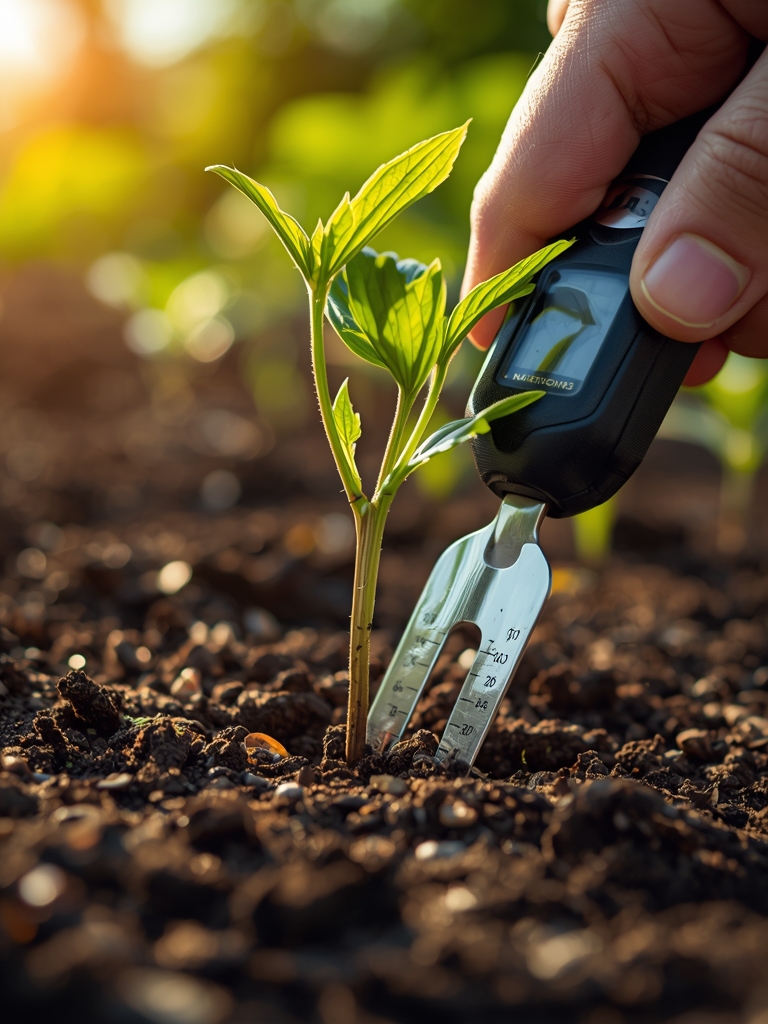
Mountain gardening typically occurs within USDA Hardiness Zones 3 to 5. Your primary constraint is the frost-free window, which may be as short as 60 to 90 days. Use a soil thermometer to track the "Biological Clock" of your site. Most cool-season vegetables require a consistent soil temperature of 40 to 50 degrees Fahrenheit to break dormancy. The transition from the vegetative stage to the reproductive stage is governed by the photoperiod; however, in the mountains, the intensity of UV radiation at high altitudes can trigger premature senescence or bolting. You must calculate your planting dates backward from the average first frost of autumn, typically occurring in late August or early September. This compressed timeline means there is no room for the "wait and see" approach. If a crop requires 80 days to reach maturity, it must be in the ground the moment the soil is workable.
Phases:

Sowing
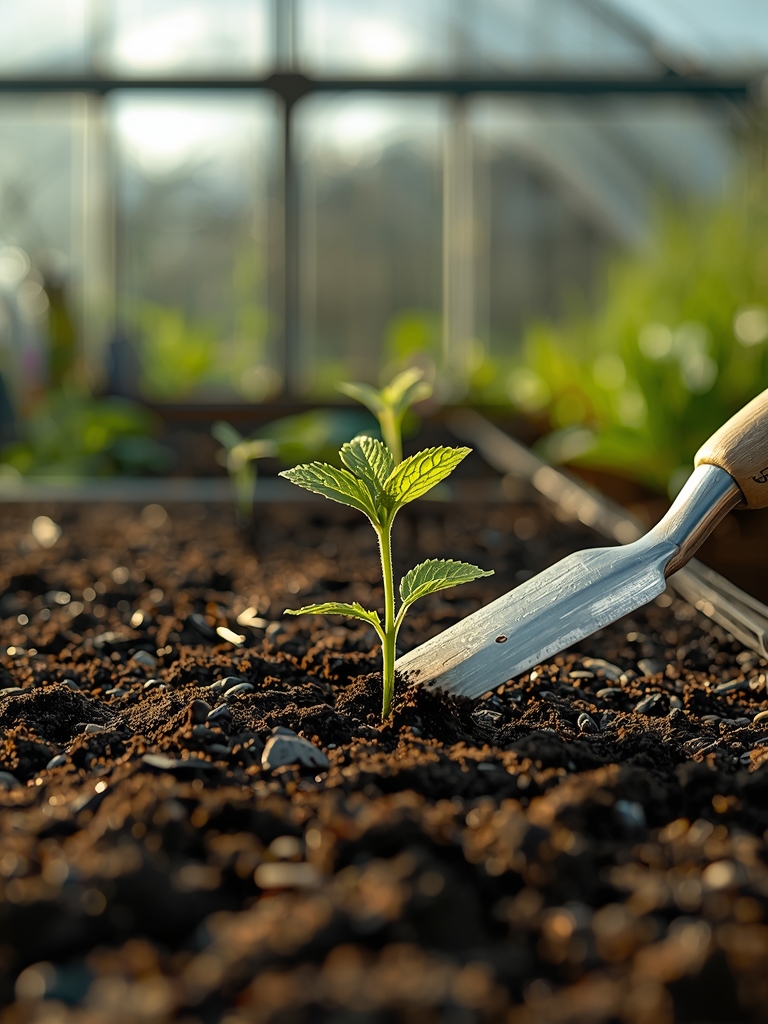
Direct sow cold-hardy seeds like spinach, radishes, and peas as soon as the soil reaches 40 degrees Fahrenheit. Use a hori-hori knife to create precise furrows at the depth specified on the seed packet. High-altitude air is dry, so seeds must be tucked firmly into the soil to maintain hydraulic contact.
Pro-Tip: Pre-soak larger seeds for 12 hours to trigger imbibition. This rapid intake of water activates the metabolic processes within the seed coat, shaving days off the germination time in cold ground.
Transplanting
Move heat-loving starts like peppers or tomatoes into the garden only when night temperatures remain consistently above 50 degrees Fahrenheit. Use a "wall-o-water" or similar thermal mass device to protect the apical meristem from late-season frost nipping. Dig a hole twice the size of the root ball and backfill with a mix of native soil and finished compost.
Pro-Tip: Inoculate the root zone with mycorrhizal fungi. This symbiotic relationship extends the reach of the root system, allowing the plant to scavenge phosphorus and water more effectively in nutrient-poor mountain soils.
Establishing
Once plants are in the ground, focus on maintaining turgor pressure. High UV indices at 6,000 feet and above cause rapid evaporation from leaf surfaces. Mulch heavily with clean straw or shredded leaves to keep soil temperatures stable and prevent the "freeze-thaw" cycle from heaving young roots out of the substrate.
Pro-Tip: Avoid excessive nitrogen application during the first three weeks after transplanting. High nitrogen levels can cause auxin suppression in the roots, leading to a lush top with a weak foundation that will collapse during the first high-wind event.
The Clinic:
Physiological disorders are common when atmospheric pressure and temperature fluctuate wildly.
- Symptom: Blossom End Rot. Sunken, leathery spots on the bottom of fruit.
- Solution: This is caused by a calcium deficiency often triggered by uneven watering. Maintain consistent moisture levels to ensure the plant can transport calcium through the xylem.
- Symptom: Nitrogen Chlorosis. Older leaves turn pale yellow while veins remain green.
- Solution: Apply a water-soluble high-nitrogen fertilizer (5-1-1 fish emulsion) for immediate uptake.
- Symptom: Sunscald. White, papery patches on fruit or stems.
- Solution: Use 30 percent shade cloth during the peak UV hours of 11:00 AM to 3:00 PM to protect sensitive tissues.
- Symptom: Purpling Leaves. Dark purple or reddish tint on lower foliage.
- Solution: This indicates phosphorus deficiency, often caused by cold soil temperatures (below 55 degrees) which lock out the nutrient. Use a plastic mulch to increase soil heat.
Maintenance:
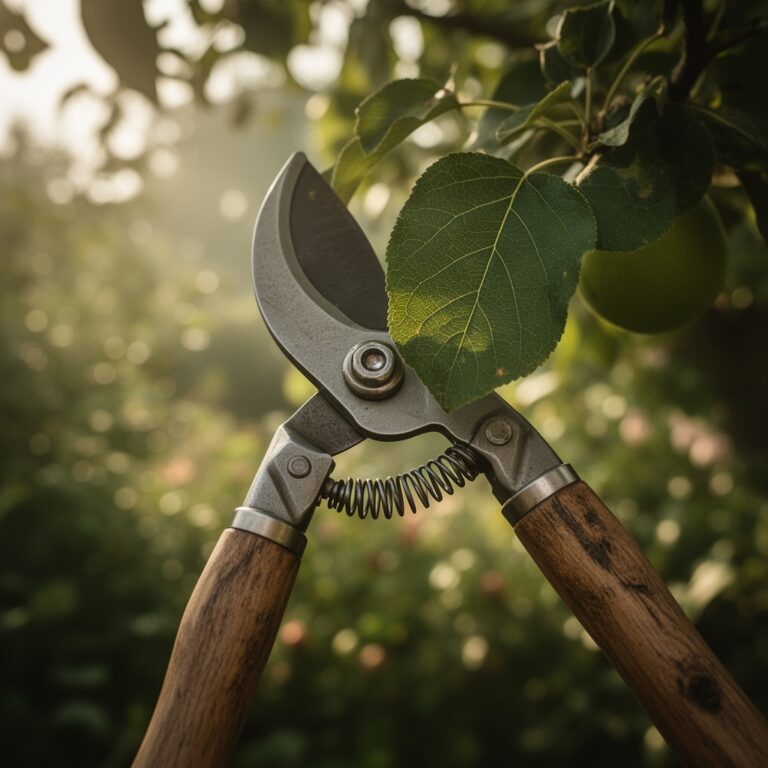
Precision is the difference between a harvest and a compost pile. Deliver exactly 1.5 inches of water per week at the drip line using a soaker hose to avoid wetting the foliage, which invites fungal pathogens. Use a soil moisture meter daily; at high altitudes, the top two inches of soil can desiccate in hours. Keep your bypass pruners sharp and sanitized with isopropyl alcohol to prevent the spread of disease when removing dead or diseased tissue. Prune suckers on indeterminate tomatoes to focus the plant's limited energy on ripening existing fruit rather than producing new vegetative growth that will never reach maturity. Regularly scout for pests using a hand lens; the "mountain pressure" means insects like flea beetles can decimate a crop in a single afternoon.
The Yield:
Harvesting in a short season requires tactical timing. Pick leafy greens in the early morning when turgor pressure is at its peak; this ensures the leaves are crisp and full of water. For fruiting crops like squash or tomatoes, harvest slightly before peak ripeness if a hard frost is forecasted. These "breaker stage" fruits will continue to ripen indoors via ethylene gas production. Use a sharp knife to cut stems rather than pulling, which can damage the plant's vascular system. Immediately plunge harvested greens into an ice-water bath to remove field heat; this slows the rate of respiration and preserves "day-one" freshness for up to two weeks in cold storage.
FAQ:
How do I warm mountain soil faster?
Lay black plastic or dark landscape fabric over the beds three weeks before planting. This traps solar radiation and can raise soil temperatures by 5 to 10 degrees Fahrenheit, allowing for earlier seed germination and transplanting.
What are the best vegetables for high altitudes?
Focus on "short-day" varieties and cold-hardy crops. Kale, radishes, peas, and potatoes excel. For heat-lovers, select "determinate" tomato varieties or "bush" beans that reach maturity in under 65 days to beat the autumn frost.
Why are my plants growing so slowly?
Low soil temperatures often cause nutrient lockout. Even if the air is warm, if the soil is below 50 degrees, microbial activity slows and phosphorus becomes unavailable. Use raised beds to improve drainage and increase soil temperature.
How do I protect plants from sudden mountain storms?
Keep heavy-duty row covers or "cloches" ready. Mountain weather can drop 20 degrees in minutes. Secure covers with sandbags or stakes to withstand high-velocity winds that frequently accompany high-altitude cold fronts.