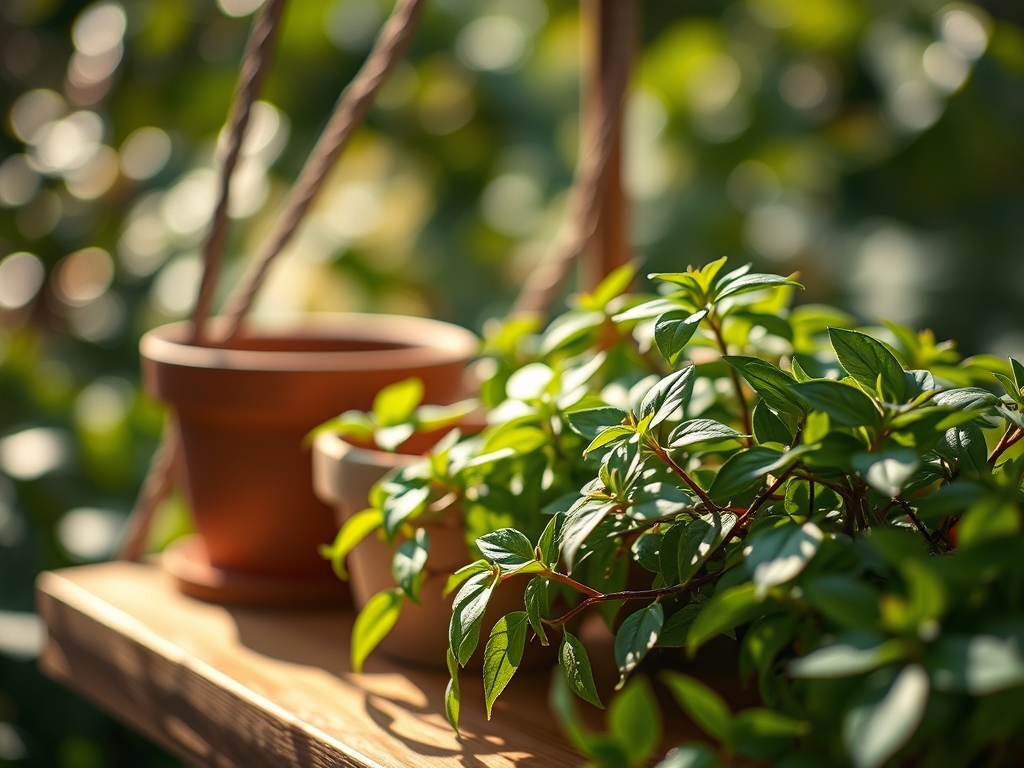
9 Fragrant Steps to Prepare a Jasmine Plant Shelf
Successful jasmine cultivation begins with the tactile reality of turgor pressure and the pungent aroma of active decomposition in the soil. To understand how to prepare a plant shelf for jasmine, a grower must prioritize structural stability and environmental control over aesthetics. Jasmine species, particularly Jasminum officinale and Jasminum sambac, require precise light exposure and specific humidity levels to initiate bud primordia. A well-prepared shelf functions as a controlled microclimate where light intensity and drainage are optimized for metabolic success.
Materials:
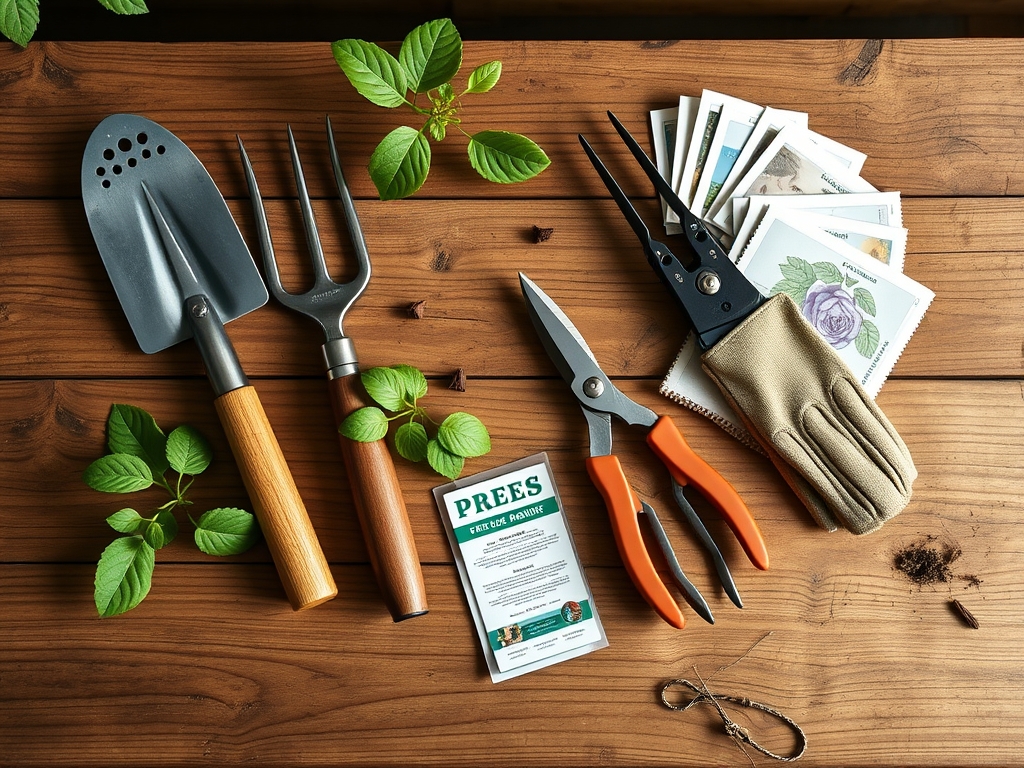
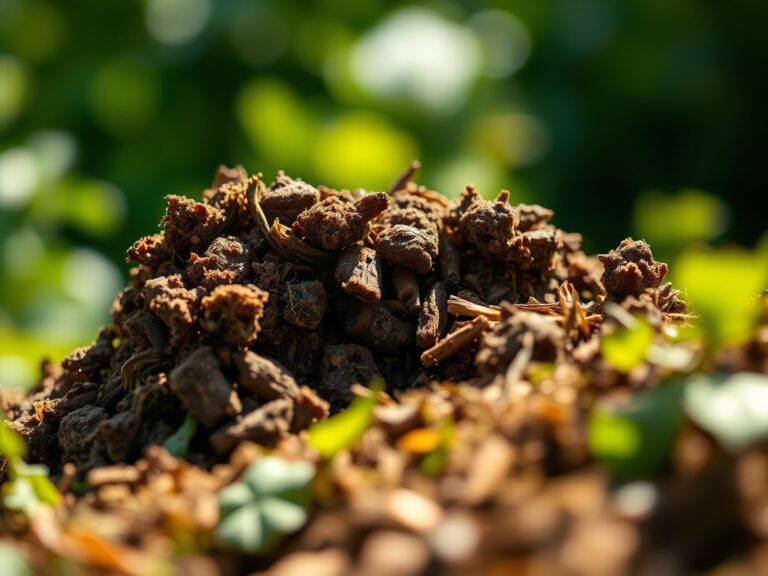
The foundation of a jasmine shelf is the substrate and the structural support. You require a **friable loam** that balances water retention with aeration. Use a potting medium with a **pH between 6.0 and 7.0**. High Cation Exchange Capacity (CEC) is essential to ensure the plant can access nutrients throughout the growing season.
For the initial planting and shelf setup, secure the following:
- 7-9-5 NPK Fertilizer: A low-nitrogen, high-phosphorus ratio encourages floral development rather than excessive vegetative biomass.
- Perlite or Coarse Sand: Mix at a 1:4 ratio with organic compost to prevent anaerobic conditions in the rhizosphere.
- Galvanized Steel or Sealed Cedar Shelving: These materials resist the high humidity (60 percent or higher) required for tropical jasmine species.
- Waterproof Liners: Essential for maintaining the shelf integrity and managing runoff.
Timing:
Timing is dictated by the Hardiness Zone and the plant's biological clock. In Zones 7 through 10, jasmine can often remain outdoors, but for indoor shelf preparation, you must align your setup with the spring equinox. Most jasmine varieties enter a vegetative growth phase when daylight exceeds 12 hours.
Prepare your shelf two weeks before the last frost date. This allows the microclimate to stabilize. Jasmine requires a cooling period in winter; temperatures should drop to 50-55 degrees Fahrenheit at night for six weeks to trigger the transition from the vegetative stage to the reproductive stage. Without this thermal cue, the plant will produce leaves but no flowers.
Phases:
Sowing and Propagation
Start jasmine from semi-hardwood cuttings rather than seeds for faster establishment. Cuttings should be 4 to 6 inches long and stripped of the lower leaves to reduce transpiration stress. Dip the nodes in a rooting hormone to stimulate the cambium layer.
Pro-Tip: Maintain high humidity around cuttings to prevent the loss of turgor pressure. The Biological Why is that until the vascular system (xylem) is reconstructed in the cutting, the plant cannot pull water from the soil; it must rely on atmospheric moisture to prevent cellular collapse.
Transplanting to the Shelf
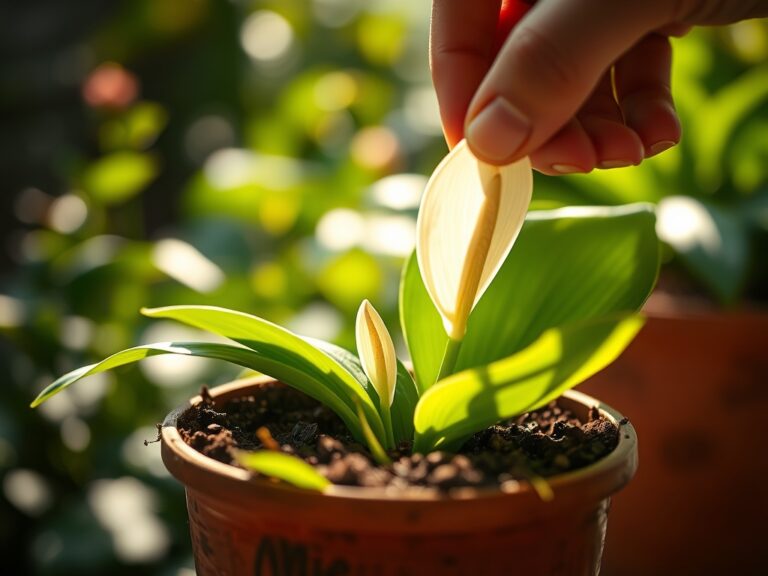
When roots reach 2 inches in length, move the plants to their permanent containers on the shelf. Ensure the pots have adequate drainage holes. Space the pots at least 12 inches apart to allow for lateral airflow, which prevents fungal pathogens from colonizing the foliage.
Pro-Tip: Avoid burying the crown of the plant. The Biological Why is that the crown is a highly metabolic area where the stem meets the roots; burying it limits oxygen exchange and encourages crown rot via Phytophthora species.
Establishing the Canopy
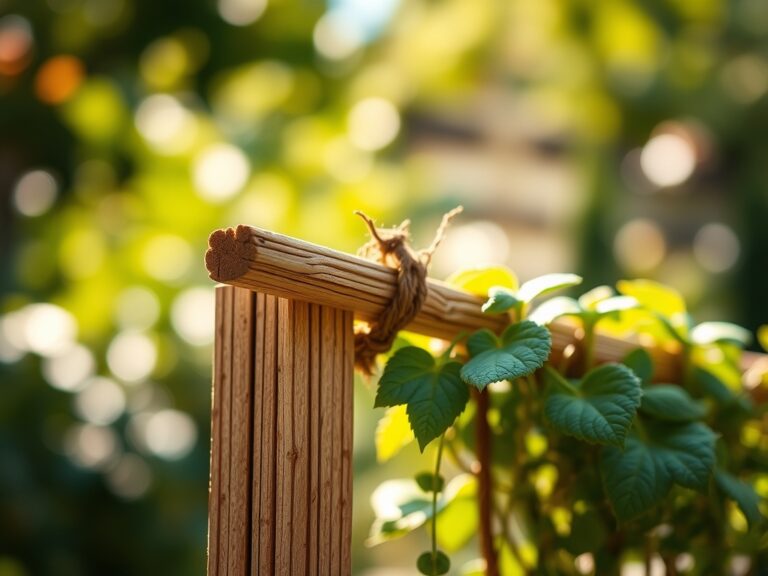
As the jasmine grows, it will require vertical support. Install a trellis or wire grid on the back of the shelf. Use soft ties to guide the primary stems. This maximizes the leaf area index, ensuring each leaf has access to the 3,000 to 5,000 foot-candles of light required for optimal photosynthesis.
Pro-Tip: Pinch off the growing tips of young stems to encourage branching. The Biological Why is the suppression of apical dominance. By removing the terminal bud, you halt the flow of auxins down the stem, which allows lateral buds to break dormancy and create a fuller, more productive plant.
The Clinic:
Physiological disorders in jasmine are often a direct result of shelf mismanagement.
- Symptom: Interveinal Chlorosis. The leaves turn yellow while the veins remain green.
- Solution: This indicates an Iron deficiency, often caused by a pH above 7.0. Lower the pH with elemental sulfur or use chelated iron.
- Symptom: Leaf Abscission (Dropping leaves).
- Solution: Check for sudden temperature fluctuations or "wet feet." Ensure the soil is not saturated. Jasmine requires a dry-down period between waterings.
- Symptom: Stunted Growth and Small Leaves.
- Solution: Nitrogen deficiency. Apply a balanced liquid fertilizer at half-strength to restore the Nitrogen-to-Carbon ratio in the tissue.
- Fix-It for White Powdery Residue: This is Oidium (Powdery Mildew). Increase airflow by using a small oscillating fan on the shelf and reduce ambient humidity to 50 percent until the infection clears.
Maintenance:
Precision is the difference between a surviving plant and a thriving one. Use a soil moisture meter to verify that the top 2 inches of soil are dry before adding more water. On average, jasmine requires 1.5 inches of water per week.
Pruning is a mandatory maintenance task. Use bypass pruners to remove dead or senescent wood in late winter. This opens the center of the plant to light. A hori-hori knife is useful for weeding the pots and checking root health without disturbing the entire root ball. Every spring, top-dress the pots with 1 inch of fresh compost to replenish organic matter and maintain the Cation Exchange Capacity.
The Yield:
Harvesting jasmine flowers for scent or drying requires specific timing. The essential oils are at their peak concentration just before dawn. Harvest the flowers when they are fully open but before the sun hits the foliage, as heat volatilizes the aromatic compounds.
Handle the flowers with care to avoid bruising the petals, which triggers rapid senescence. If you are using the flowers for indoor fragrance, place them in a shallow bowl of cool water immediately. This maintains cellular turgor and extends the "day-one" freshness for up to 48 hours. For drying, spread the blossoms in a single layer on a mesh screen in a dark, well-ventilated area.
FAQ:
How much light does a jasmine shelf need?
Jasmine requires at least 6 to 8 hours of direct sunlight daily. If using artificial lights, provide 14 to 16 hours of full-spectrum LED exposure to mimic the intensity of a tropical photoperiod and support photosynthesis.
What is the best soil for jasmine on a shelf?
Use a well-draining, friable loam with a pH of 6.0 to 7.0. Incorporate perlite or coarse sand to ensure a high oxygen-to-water ratio in the rhizosphere, preventing root rot and promoting healthy nutrient uptake.
How often should I fertilize my jasmine plant?
Apply a 7-9-5 NPK fertilizer every two weeks during the active growing season (spring and summer). Reduce fertilization to once a month in autumn and cease entirely during the winter dormancy period to prevent salt buildup.
Why is my jasmine not blooming?
Lack of blooms is usually caused by insufficient light or the absence of a cooling period. Ensure the plant experiences six weeks of nighttime temperatures between 50 and 55 degrees Fahrenheit to trigger reproductive bud development.