9 Nutrient-Control Benefits of Specialized Bonsai Soil
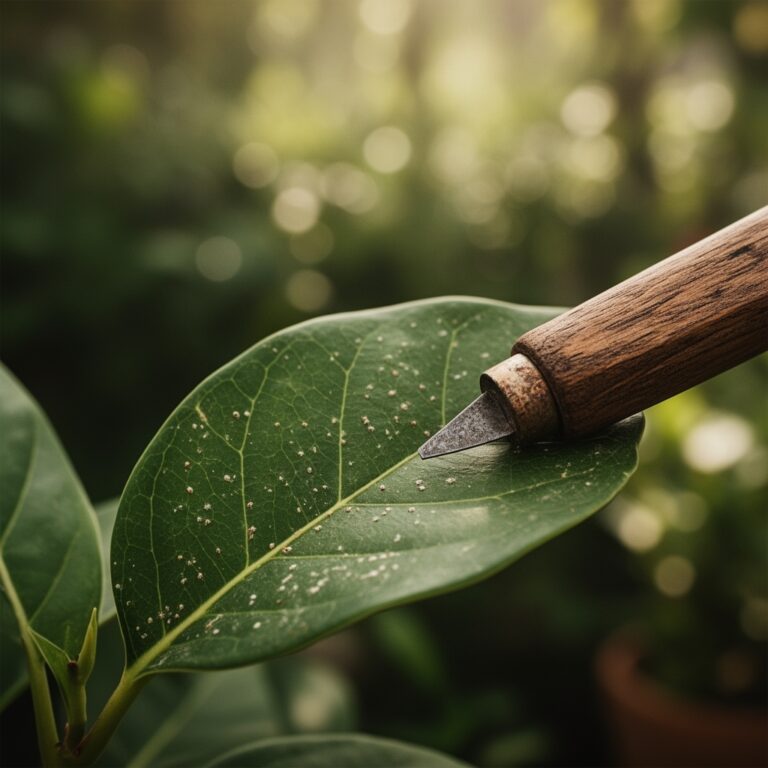
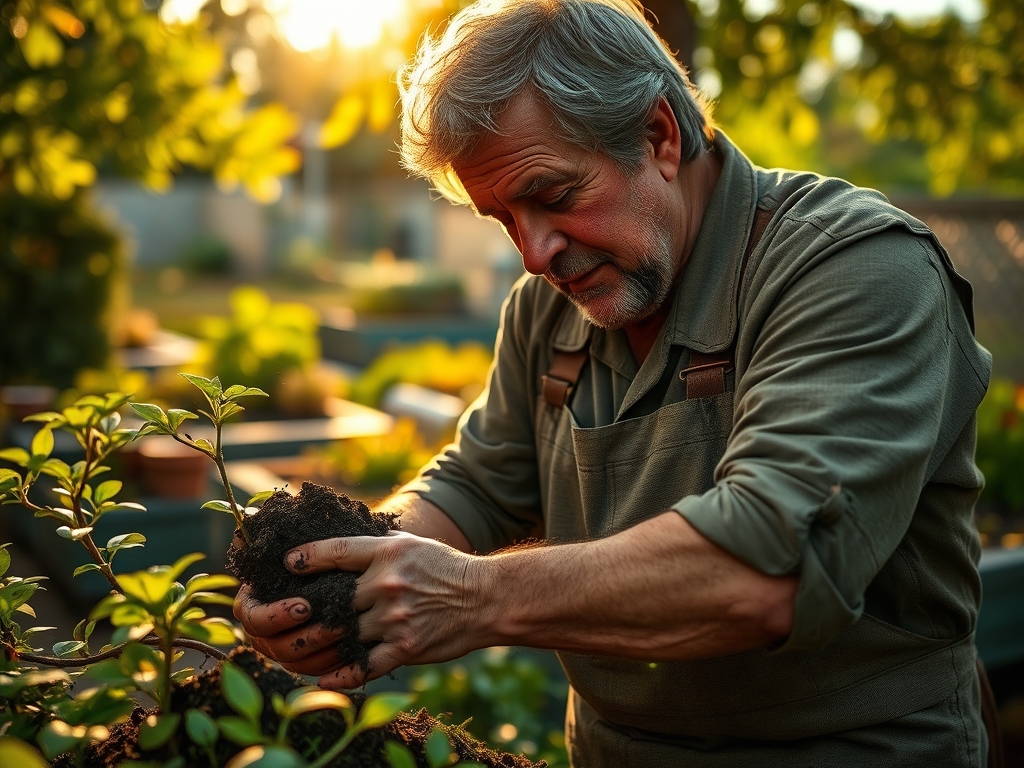
Crushing a handful of damp akadama reveals the mechanical integrity required for high level arboriculture; the granules resist pulverization while maintaining enough porosity to house essential oxygen. A healthy leaf exhibits high turgor pressure, standing rigid against transpiration demands because the vascular system is fueled by a precise subterranean environment. Using a specialized bonsai soil is the only way to regulate the delicate balance between water retention and gas exchange in a confined pot. Traditional potting soil collapses under frequent irrigation, suffocating the rhizosphere and triggering root rot. In contrast, a technical substrate provides the structural stability needed for fine capillary root development. This grit allows the grower to dictate the exact chemical intake of the tree, moving away from the unpredictability of organic garden beds. By controlling the Cation Exchange Capacity (CEC), the practitioner ensures that ions like potassium and magnesium are available at the root hair interface exactly when the photoperiod triggers new growth. Success in this discipline is measured in millimeters of internodal spacing and the density of the canopy.
Materials:
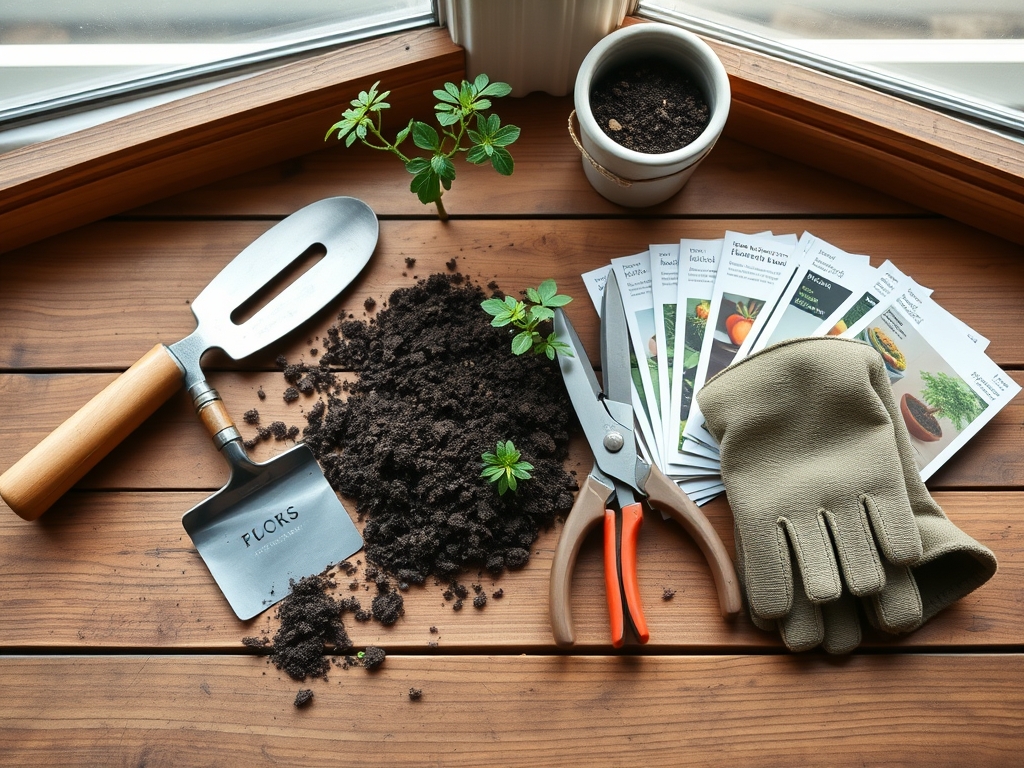
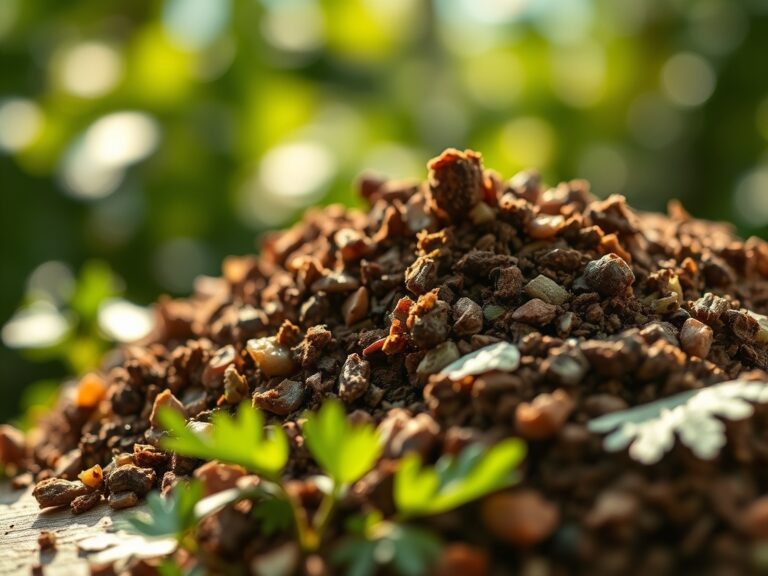
The substrate must be a friable mix of inorganic aggregates and processed organic matter. For most deciduous and coniferous species, a **pH range of 5.5 to 6.5** is optimal to maximize nutrient availability. The physical texture should consist of particles sized between **2mm and 6mm** to prevent the “perched water table” effect.
- Akadama: A fired volcanic clay from Japan. It offers high CEC and breaks down slowly over 3 to 5 years.
- Pumice: Provides aeration and prevents compaction. It holds water within its internal pores but keeps the surface dry.
- Lava Rock (Scoria): Adds permanent structure and prevents the substrate from settling.
- Nutrient Ratios: During the spring flush, target an NPK ratio of 10-6-6 to support vegetative extension. Transition to a 0-10-10 formula in late autumn to harden the lignified tissues and prepare for dormancy.
Timing:
Hardiness Zones 4 through 9 dictate the metabolic windows for soil intervention. In Zone 7, the window for repotting typically opens in late February when bud swell is visible but before the first leaves unfurl. This timing aligns with the "Biological Clock" of the tree; the transition from endodormancy to ecodormancy. At this stage, the tree utilizes stored carbohydrates from the roots to fuel the first flush of growth. Repotting outside this window, particularly during the heat of midsummer when temperatures exceed 85 degrees Fahrenheit, can lead to catastrophic desiccation because the damaged root system cannot meet the transpiration demands of the foliage.
Phases:
Sowing and Initial Development
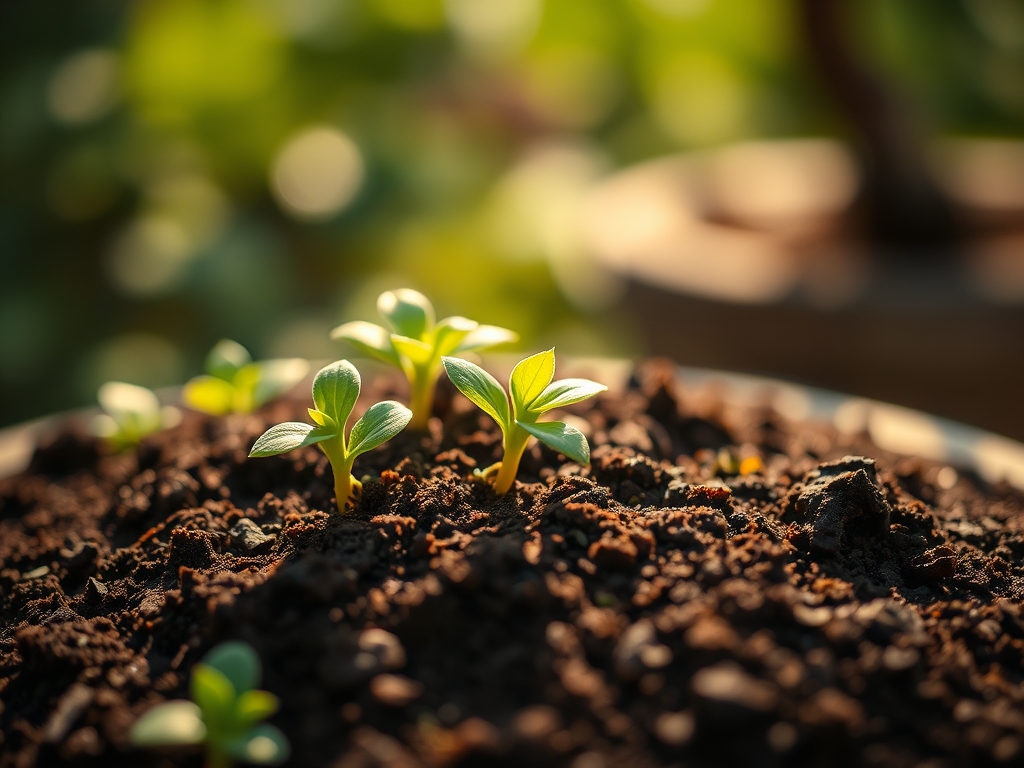
Early stage development requires a higher percentage of organic matter to maintain consistent moisture for delicate seedlings. Use a mix of 60% fine pine bark and 40% grit. Maintain a soil temperature of 65 to 75 degrees Fahrenheit to optimize germination enzymes.
Pro-Tip: Mycorrhizal fungi inoculation during this phase is vital. These symbiotic fungi extend the reach of the root system, increasing the surface area for phosphorus absorption by up to 1,000 percent.
Transplanting into Specialized Substrate
When moving a tree into its refined container, the transition to using a specialized bonsai soil is critical. Remove 30% of the old soil mass, focusing on the outer edges and the bottom of the root ball. Use a chopstick to work the new inorganic substrate into every void between the roots.
Pro-Tip: Securing the tree with copper wire through the drainage holes is a biological necessity. Any movement of the trunk can snap new, microscopic root hairs, causing a localized cessation of auxin transport and stalling growth.
Establishing the Root System
Post-transplant care requires a shaded environment for 14 to 21 days. Avoid fertilization during this period. The tree must rely on its internal energy stores until the root tips begin to elongate into the new substrate.
Pro-Tip: High humidity reduces the vapor pressure deficit (VPD). By keeping the air moist, you reduce the workload on the compromised root system, preventing the stomata from closing and allowing photosynthesis to continue.
The Clinic:
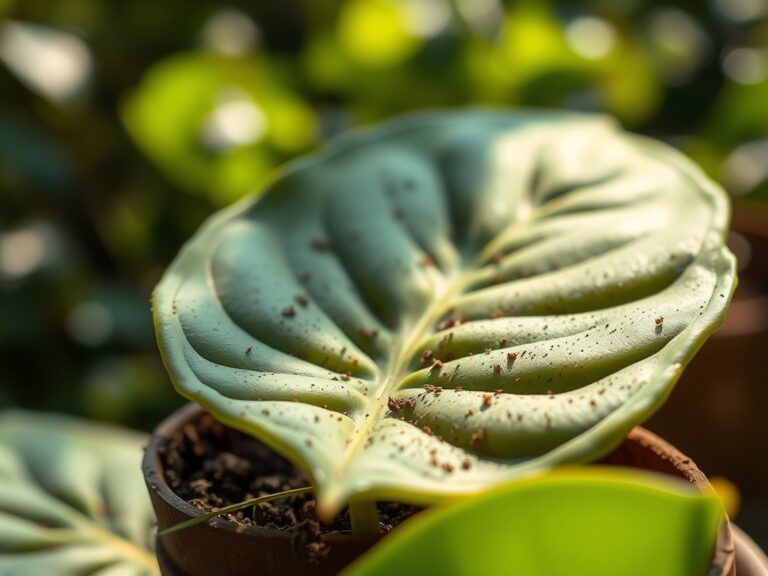
Physiological disorders often stem from substrate failure or chemical imbalances. Observe the root structure in the step-by-step photos below to identify healthy versus necrotic tissue.
- Nitrogen Chlorosis: Leaves turn a pale yellow, starting with the oldest growth. Fix-It: Apply a liquid fertilizer with a high Nitrogen (N) value and ensure the soil pH has not drifted above 7.0, which can lock out nitrogen.
- Interveinal Chlorosis (Iron Deficiency): New leaves appear yellow while the veins remain dark green. Fix-It: This is common in alkaline soils. Apply chelated iron and adjust the substrate acidity using elemental sulfur.
- Root Hypoxia: Leaves wilt despite the soil being wet. This is caused by a lack of oxygen in the root zone. Fix-It: Immediately stop watering and check for drainage hole blockages. If the soil has collapsed into "muck," an emergency repot into 100% pumice may be required.
- Leaf Scorch: Brown, crispy edges on leaves. This is often a sign of high salt accumulation from synthetic fertilizers. Fix-It: Flush the substrate with three times the pot's volume in distilled water to leach out excess mineral salts.
Maintenance:
Precision is the hallmark of professional maintenance. Use a soil moisture meter to verify that the core of the root ball is at 40% moisture capacity before re-watering. In peak summer, some species may require 2 inches of water per week, delivered in two separate daily sessions to prevent the substrate from reaching the wilting point.
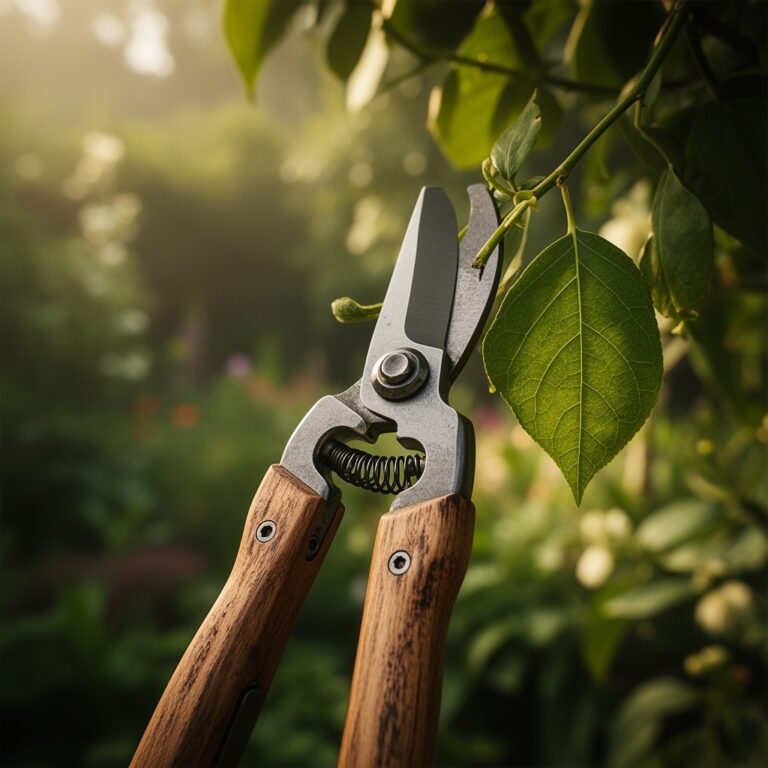
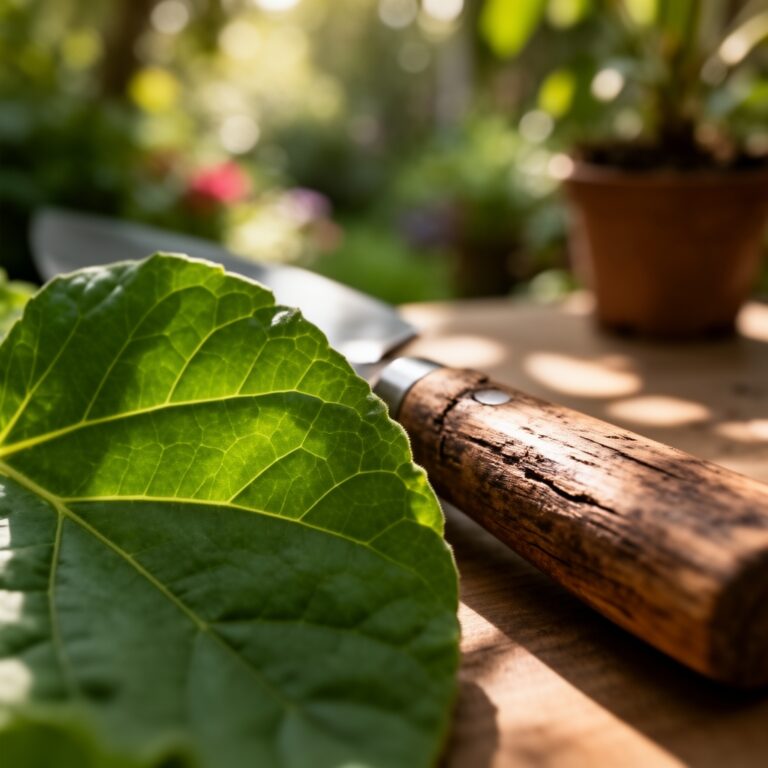
When pruning to maintain the silhouette, use bypass pruners for clean vascular cuts that heal via callus tissue formation. For larger structural changes, a hori-hori knife is indispensable for dividing root-bound specimens. Always sterilize tools with 70% isopropyl alcohol between trees to prevent the transmission of vascular pathogens. Monitor the Cation Exchange Capacity by testing the runoff water every 90 days to ensure the mineral balance remains stable.
The Yield:
For fruiting bonsai like Malus (Crabapple) or Punica (Pomegranate), the "yield" is the retention of the fruit for aesthetic display. Harvest fruit when the color reaches full saturation but before the abscission layer forms at the base of the stem. To maintain "day-one" freshness for exhibition, keep the tree in a cool, draft-free environment. Remove 50% of the fruit crop early in the season to ensure the tree has enough energy to set buds for the following year, a process known as preventing biennial bearing.
FAQ:
Why is drainage more important than water retention?
Roots require oxygen for cellular respiration. Without gas exchange, the rhizosphere becomes anaerobic, leading to the production of toxic ethanol and the death of root tissues. Specialized soil ensures a constant supply of atmospheric oxygen to the roots.
How often should I replace specialized bonsai soil?
Deciduous trees generally require repotting every 2 to 3 years due to rapid root growth. Conifers, which grow more slowly, can remain in the same substrate for 5 to 10 years before the particles degrade and impede drainage.
Can I use regular garden fertilizer in bonsai soil?
Synthetic garden fertilizers often contain high salt concentrations that can burn confined roots. Use organic, slow-release pellets or highly diluted liquid fertilizers to maintain a stable osmotic pressure within the specialized inorganic substrate.
Does the color of the soil indicate when to water?
Yes. Akadama and other volcanic clays change from a dark chocolate brown when wet to a light tan when dry. This visual cue is a reliable indicator that the moisture levels have dropped below the 20% threshold.