7 Benefits of Using a Manual Sod Cutter
Using a manual sod cutter for new beds transforms lawn into prepared planting area with surgical precision. The blade slices horizontally beneath grass roots at a depth you control, typically 1 to 2 inches, leaving the soil structure intact while removing the turf layer. This method preserves topsoil nutrients and beneficial microorganisms that would be destroyed by rototilling or herbicide application. The physical effort required forces you to work methodically, ensuring clean edges and minimal soil compaction.
Manual sod cutters excel where precision matters more than speed. They weigh between 35 and 50 pounds, requiring no fuel or electrical connection. The cutting blade, usually 10 to 12 inches wide, operates through a foot-driven kick mechanism that advances the tool forward while maintaining consistent depth. Seven distinct advantages emerge when you choose this tool for bed preparation.
Materials
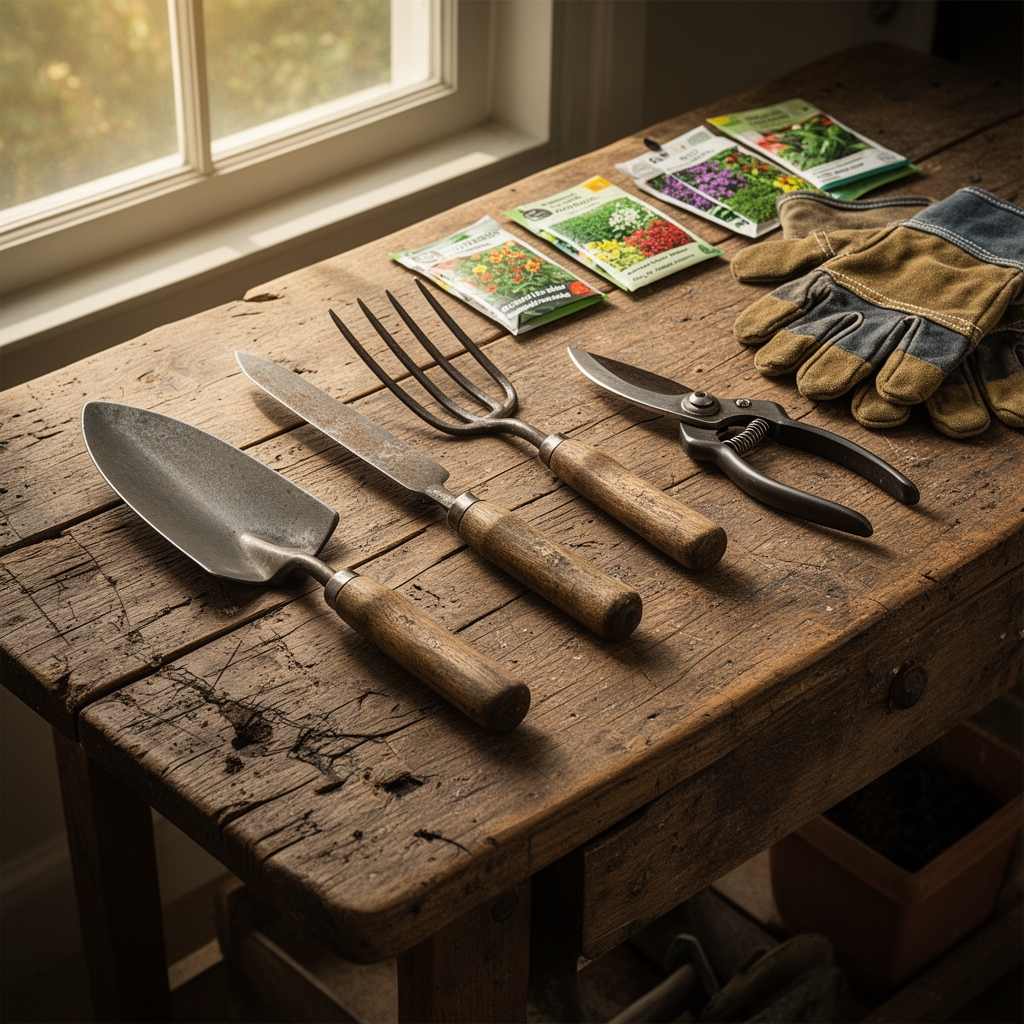
A manual sod cutter features a sharpened steel blade mounted on an adjustable depth gauge. The blade requires sharpening every 500 square feet of cutting in clay soils, every 800 square feet in loam. Apply a thin coat of linseed oil to prevent rust between uses.
For soil amendment after sod removal, calculate inputs based on existing pH and cation exchange capacity. Add sulfur at 1 pound per 100 square feet to lower pH by 0.5 units in loam soils. For beds requiring fertility boost, incorporate aged compost at a 2:1 C:N ratio or feather meal rated 12-0-0 at 2 pounds per 100 square feet for slow nitrogen release over 60 days.
Mycorrhizal fungi inoculant, applied at 1 ounce per 10 square feet, establishes symbiotic relationships that increase phosphorus uptake by 40 percent compared to uninoculated beds. Mix granular inoculant directly into the top 4 inches of soil immediately after sod removal when soil temperature exceeds 50°F.
Timing
Operate manual sod cutters when soil moisture content sits between 40 and 60 percent of field capacity. Soil too dry creates excessive dust and dulls blades rapidly. Saturated soil causes the blade to load with mud, requiring frequent cleaning.
In hardiness zones 5 through 7, cut sod during April and early May or September through mid-October. Soil temperature between 50 and 65°F allows immediate planting while minimizing weed seed germination. Southern zones 8 through 10 benefit from November through February cutting, avoiding summer heat stress on newly established plants.
Spring cutting followed by immediate bed preparation allows perennial installation 14 days after sod removal. Fall cutting permits overwintering for beds intended for spring vegetable planting, giving soil structure time to settle and organic matter to incorporate.
Phases

Sowing Phase: Mark bed boundaries with marking paint or string line. Set blade depth to 1.5 inches for Kentucky bluegrass or perennial ryegrass, 2 inches for deep-rooted fescues. Begin at one edge, driving the blade forward with steady foot pressure on the kick plate. Maintain overlap of 1 inch between passes to prevent uncut strips.
Pro-Tip: Cut perpendicular to slopes rather than parallel to prevent the tool from sliding downhill and creating uneven depth.
Transplanting Phase: Roll cut sod strips into compact cylinders for removal. Each 12-inch-wide by 10-foot-long strip weighs approximately 40 pounds when moist. Stack removed sod grass-side down in a separate area for decomposition, creating usable compost in 6 to 8 months.
Pro-Tip: Sprinkle urea fertilizer (46-0-0) at 1 pound per cubic yard on stacked sod to accelerate decomposition through increased nitrogen availability for bacterial activity.
Establishing Phase: Rake the exposed soil surface to remove remaining root fragments and thatch. Apply compost at 1 cubic yard per 300 square feet, incorporating to 6-inch depth with a garden fork. Soil pH testing should occur 48 hours after amendment, allowing chemical equilibration. Plant installation can proceed immediately after final soil preparation.
Pro-Tip: Water the prepared bed to field capacity, then wait 72 hours before planting to allow auxin distribution to stabilize and prevent transplant shock in new installations.
Troubleshooting
Symptom: Blade binds or stops mid-cut.
Solution: Roots from nearby trees interrupt the cutting plane. Use a mattock to sever major roots exceeding 0.5-inch diameter, then resume cutting.
Symptom: Uneven depth creates scalped areas.
Solution: Depth gauge requires recalibration. Loosen adjustment bolts, set gauge on flat surface, and re-tighten with blade at desired measurement from gauge plate.
Symptom: Excessive user fatigue after 50 square feet.
Solution: Blade dull or cutting angle incorrect. Sharpen blade to 20-degree bevel angle and verify kick plate produces forward momentum rather than downward pressure.
Symptom: Soil surface remains rough after sod removal.
Solution: Thatch layer exceeded blade depth. Make second pass at 0.5-inch deeper setting to remove remaining organic mat.
Maintenance
Sharpen the blade after every 400 square feet of cutting using a 10-inch mill file at 20-degree angle. Apply three strokes per inch of blade length, maintaining consistent pressure. Store the tool suspended or on wood blocks to prevent ground moisture contact with metal components.
Clean soil from all surfaces after each use. Apply penetrating oil to pivot points monthly during active use seasons. Replace the blade when sharpening reduces thickness below 0.125 inches, typically after cutting 5,000 square feet in average loam conditions.
Water new beds to 1 inch depth immediately after preparation, then maintain soil moisture at 60 percent of field capacity during the first 30 days of establishment. Monitor with a tensiometer placed at 6-inch depth, irrigating when readings exceed -50 centibars.
FAQ
How much area can one person cut per hour?
An operator maintains 150 to 200 square feet per hour in level terrain with loam soil. Clay soils reduce output to 100 square feet per hour.
Does manual cutting damage soil structure?
Horizontal blade movement creates minimal compaction compared to rototilling, which destroys soil aggregates and disrupts fungal networks to 8-inch depth.
Can I cut sod in summer?
Yes, but soil must receive irrigation to 6-inch depth 24 hours before cutting to achieve proper moisture content for clean cuts.
What happens to exposed weed seeds?
Surface disturbance triggers germination of seeds in the top 2 inches. Flame weeding or shallow cultivation eliminates seedlings before planting.
How long before replanting the area?
Immediate planting is possible. Waiting 14 days allows soil microbiome recovery and provides time for amendment integration into the rooting zone.