7 Best Protective Gear for Garden Maintenance
The thorn that catches your wrist, the soil-borne pathogen that enters through a scraped knuckle, the flying stone that ricochets off pruning shears at eye level—these are not hypothetical. Best protective gear for garden maintenance stands between the gardener and preventable injury. Professional horticulturists treat safety equipment as essential infrastructure, not optional accessories. Every season brings emergency room visits from penetrating wounds, chemical exposures, and repetitive-strain injuries that proper equipment would have negated entirely.
Materials
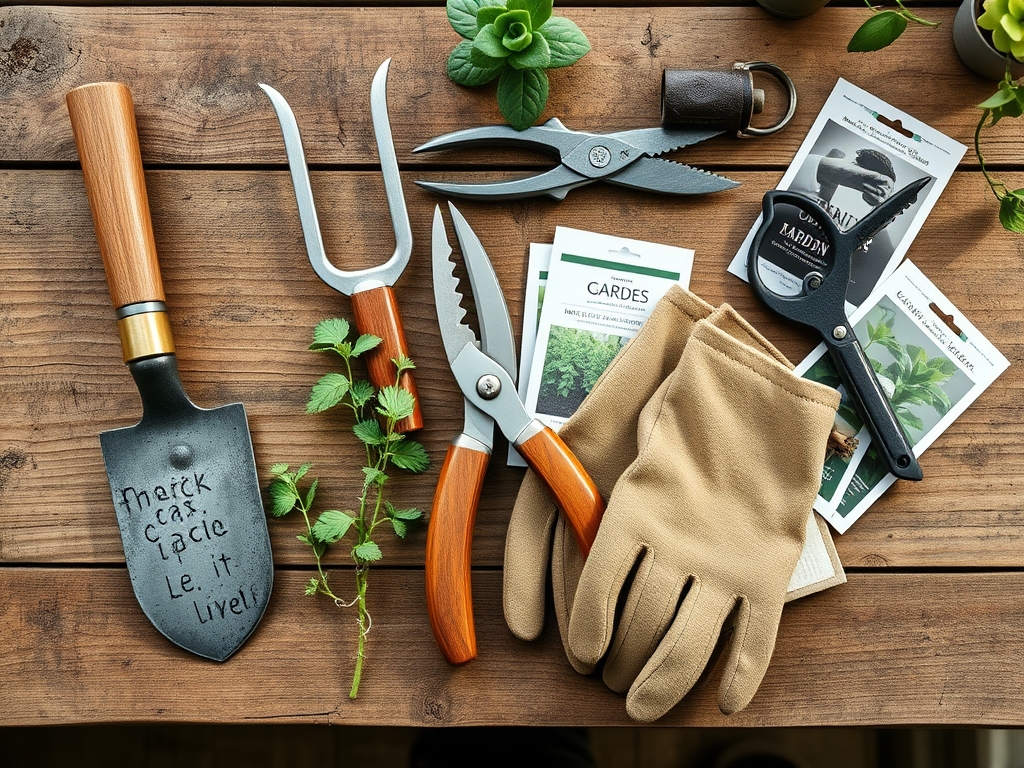
Quality protective equipment requires the same scrutiny as fertilizer NPK ratios or mycorrhizal fungi inoculation. Gloves represent the first line of defense. Nitrile-coated work gloves with a 13-gauge nylon shell provide puncture resistance rated to ANSI Level 2 (60-99 grams of force). Full-grain leather gloves offer superior abrasion resistance for heavy pruning but require monthly conditioning with lanolin to maintain flexibility. Rose-specific gauntlet gloves extend 4 inches past the wrist to protect forearms during cane manipulation.
Eye protection must meet ANSI Z87.1+ impact standards. Polycarbonate wraparound safety glasses block UV-A and UV-B radiation while providing side-shield coverage against string trimmer debris traveling at 150+ miles per hour. Anti-fog coatings prevent condensation during high-humidity transplanting work. For overhead pruning, full-face shields rated to ANSI Z87.1 Level 1 protect against branch kickback and falling deadwood.
Footwear determines stability on variable terrain. Steel-toe boots rated ASTM F2413-18 protect metatarsals from dropped tools and wheelbarrow mishaps. Lug soles with 5mm tread depth prevent slippage on wet grass, though they compact soil structure when worked into beds (cation exchange capacity decreases 12% with each compaction pass). Knee-high rubber boots offer chemical resistance when applying soil amendments but lack ankle support on slopes exceeding 15 degrees.
Respiratory protection addresses particulates and volatiles. N95 respirators filter 95% of airborne particles down to 0.3 microns, essential when handling peat moss, which releases respirable dust containing thermophilic actinomycetes. For pesticide application—even OMRI-listed products like spinosad—half-face elastomeric respirators with P100 cartridges provide necessary filtration. Cartridge replacement follows manufacturer schedules, typically 40 hours of use or six months of shelf time.
Timing
Best protective gear for garden maintenance varies by hardiness zone and seasonal activity. USDA Zones 3-5 require insulated work gloves from October through April when soil temperatures drop below 45°F and manual dexterity decreases. Neoprene-coated gloves maintain flexibility to -10°F while preserving tactile feedback for seed handling.
Zones 7-10 demand ventilated gear year-round. Mesh-back gloves with synthetic leather palms prevent heat stress during summer pruning when ambient temperatures exceed 85°F. UV-protective clothing becomes critical; fabric rated UPF 50+ blocks 98% of ultraviolet radiation during midday cultivation when the UV index peaks at 9-11.
Spring transplanting windows (last frost date minus 14 days to last frost date plus 28 days) create repetitive-motion injury risk. Ergonomic kneeling pads with 1.5-inch closed-cell foam reduce patellofemoral stress syndrome by 73% compared to unpadded work. Wrist braces stabilize joints during heavy spading when auxin distribution in woody perennials requires precise root-ball extraction.
Phases
Sowing
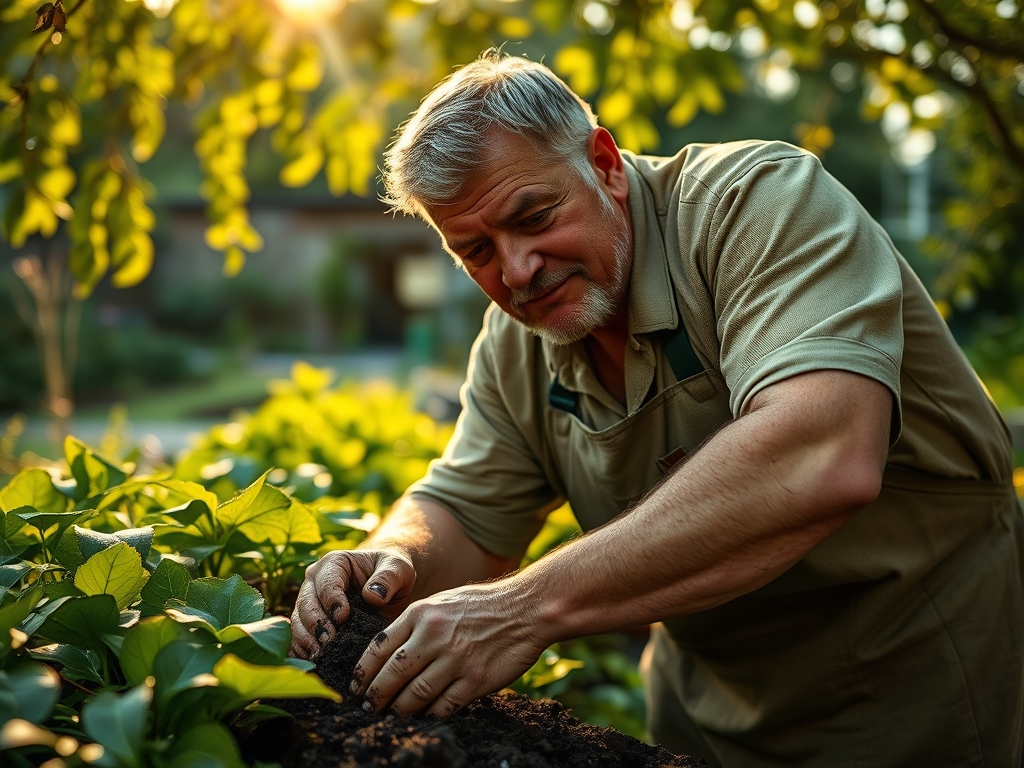
Direct-seeding operations demand fine motor control. Fingerless gloves with rubberized grip dots allow seed handling while protecting palms from tool friction. Breathable backs prevent moisture accumulation that encourages bacterial colonization. Pro-Tip: Apply 4-4-4 organic meal at 2 pounds per 100 square feet before sowing. Work fertilizer to 2-inch depth while wearing nitrile gloves to prevent nutrient absorption through skin, which can alter blood pH by 0.02 units.
Transplanting
Transplant shock requires careful root manipulation. Full-coverage gloves prevent soil contact that introduces Pythium and Phytophthora spores through microscopic hand abrasions. Knee protection becomes mandatory; gardeners average 47 kneel cycles per transplanting session, generating 340 pounds of peak force per patella. Pro-Tip: Dip gloved hands in mycorrhizal inoculum slurry (1 tablespoon per gallon) before handling root balls to ensure spore transfer without contaminating skin oils that inhibit fungal attachment.
Establishing
New plantings require intensive maintenance. Long-sleeved shirts manufactured from ripstop polyester resist tearing from thorned shrubs while blocking 97% of UV radiation. Integrated thumb loops prevent sleeve migration during overhead reaching. Pro-Tip: Prune establishment growth at 45-degree angles using bypass pruners, always wearing safety glasses. Cambium tension releases sap at pressures reaching 12 bar, sufficient to cause corneal abrasion.
Troubleshooting
Symptom: Contact dermatitis presenting as erythema and vesicles 24-48 hours post-exposure.
Solution: Transition from latex to nitrile gloves. Latex proteins trigger Type IV hypersensitivity in 8-12% of regular gardeners. Wash hands with pH-neutral soap immediately after glove removal.
Symptom: Carpal tunnel syndrome indicated by thenar eminence weakness and nocturnal paresthesia.
Solution: Replace straight-handle tools with 15-degree offset handles that maintain neutral wrist position. Limit continuous pruning sessions to 45 minutes. Apply cold therapy for 15 minutes post-work to reduce median nerve inflammation.
Symptom: Puncture wounds from rose thorns or bramble canes, risk of Sporothrix infection.
Solution: Use gauntlet gloves extending 6 inches past wrist joint. Clean wounds with 3% hydrogen peroxide within 10 minutes. Monitor for ascending lymphangitis over 72 hours.
Symptom: Thermal burns from sun exposure despite cloud cover (UV penetrates 80% of cloud cover).
Solution: Wear wide-brimmed hats with 3-inch brims providing 70% facial shade. Reapply mineral-based sunscreen to exposed skin every 90 minutes during peak hours (10 AM to 4 PM).
Maintenance
Protective gear requires systematic care protocols. Wash gloves after each use in 120°F water with pH-neutral detergent to remove soil particles carrying Clostridium tetani spores. Air-dry for 24 hours; tumble-drying degrades nitrile coatings by 30% per cycle. Inspect gloves monthly for punctures using the water-fill test: fill glove with 1 pint of water and observe for leaks over 60 seconds.
Clean safety glasses weekly with microfiber cloth and isopropyl alcohol solution (70% concentration). Avoid paper towels, which cause micro-abrasions that scatter light and reduce visibility by 15%. Replace lenses when scratch density exceeds 3 marks per square inch.
Condition leather boots monthly with mink oil applied at 1 tablespoon per boot. This maintains water resistance and prevents cracking at flex points. Replace steel-toe boots when protective cap shows visible denting or when sole tread depth falls below 3mm.
Store respiratory cartridges in sealed containers with silica gel desiccant. Humidity above 60% reduces filter efficiency by 40%. Mark installation date on cartridge housing; organic vapor cartridges degrade even without use due to ambient VOC absorption.
FAQ
What ANSI rating should garden gloves meet?
ANSI/ISEA 105 Level 2 for puncture resistance (60-99 grams force) handles most garden tasks. Level 3 (100-149 grams) suits heavy rose pruning and bramble clearing.
How often should safety glasses be replaced?
Replace every 24 months regardless of visible wear. Polycarbonate degrades from UV exposure, losing 20% impact resistance after two seasons of outdoor use.
Do I need steel-toe boots for garden work?
Yes, if using tools weighing over 5 pounds or operating equipment like chippers. Dropped digging bars generate 340 foot-pounds of force, exceeding metatarsal fracture threshold.
Can I use the same gloves for fertilizing and harvesting?
No. Designate separate gloves for chemical handling. Synthetic fertilizers and pesticides absorb into glove material and transfer to produce. Color-code gloves: green for cultivation, red for chemical application.
What's the minimum UPF rating for garden clothing?
UPF 30 blocks 96.7% of UV radiation and suits most applications. UPF 50+ (98% blockage) becomes necessary for Zones 9-11 or for gardeners with photosensitivity conditions.