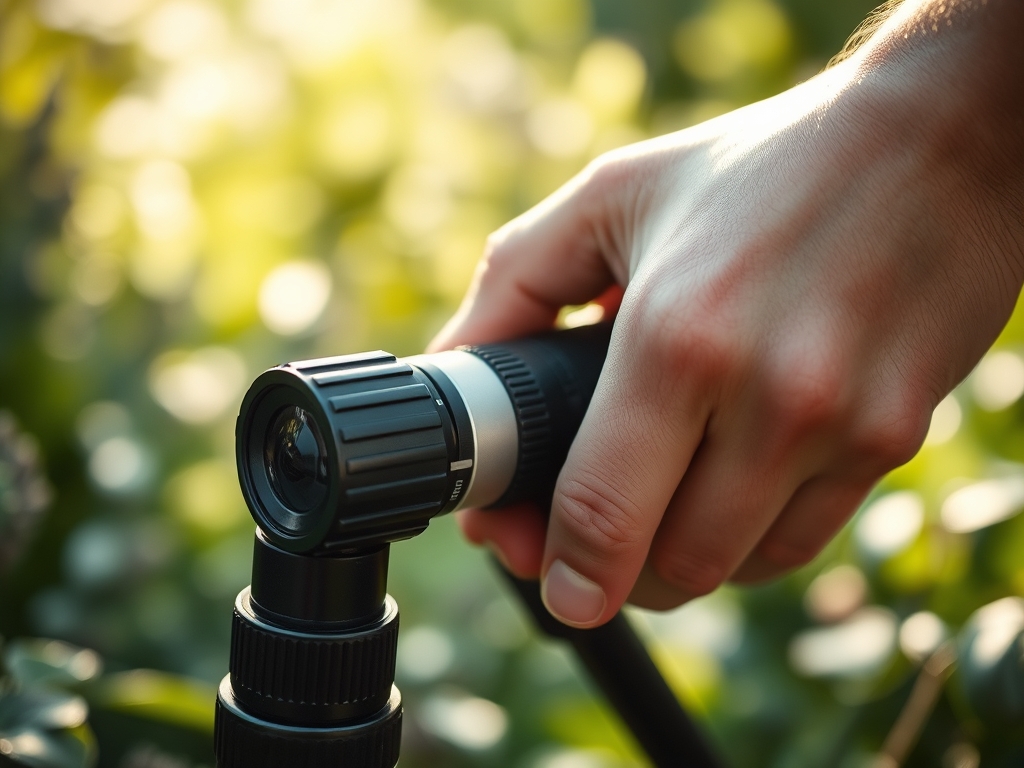
8 Steps to Prepare a New Garden Sprayer
Learning how to prepare a garden sprayer for first use determines whether your equipment delivers precise applications or clogs mid-season. A new compression sprayer arrives with manufacturing residues, protective oils, and test solutions that contaminate foliar feeds and pesticides. The factory floor leaves behind metal shavings in brass wands and particulate matter in nylon tanks. First-use preparation requires methodical flushing, seal conditioning, and pressure testing before any solution contacts your crops.
Materials

Gather white vinegar at 5% acetic acid concentration for initial cleaning. Distilled water eliminates mineral deposits that affect cation exchange capacity in spray solutions. A pH test strip kit ranging from 3.0 to 10.0 confirms neutral rinse water. Liquid castile soap without additives serves as a surfactant for residue removal. Silicone-based lubricant rated for potable water systems conditions O-rings and pump seals. A 5-gallon bucket allows visual inspection of flush water clarity. For organic operators, food-grade hydrogen peroxide at 3% concentration sanitizes internal surfaces without leaving persistent residues. Replacement nozzle screens in 50-mesh and 100-mesh sizes prevent particulate carryover.
Timing
Prepare sprayers two weeks before your first scheduled application. In USDA Hardiness Zones 3 through 5, initiate preparation in mid-March, four weeks before last frost. Zones 6 through 8 should complete setup by late February. Conditioning seals requires 48 hours minimum before pressure testing. Factor in three complete flush cycles over separate days to ensure manufacturing oils fully evacuate from pump chambers. Cold-weather preparation below 50°F impairs seal flexibility. Warm the sprayer indoors for 12 hours before conditioning. Southern growers in Zones 9 through 11 can prepare equipment year-round but should avoid direct sun exposure during the process to prevent premature seal degradation.
Phases

Initial Disassembly and Inspection
Remove the pump assembly, wand, nozzle, and tank cap. Inspect all O-rings for flash molding marks or compression damage. Manufacturing imperfections create leak paths under pressure. Check brass components for thread tape residue. Examine the tank interior with a flashlight for injection molding artifacts or loose plastic fragments. Viton seals tolerate aggressive solvents better than standard EPDM rubber. Identify seal composition before selecting cleaning agents.
Pro-Tip: Apply food-grade silicone grease to O-rings immediately after inspection to prevent desiccation during the cleaning process.
Flushing Protocol
Fill the tank one-quarter full with a solution of 1 cup white vinegar per gallon of distilled water. Reassemble components hand-tight. Pump to 40 PSI and discharge through the wand for 30 seconds. This acetic acid solution dissolves alkaline manufacturing residues and neutralizes test chemicals. Empty completely. Refill with distilled water containing 2 tablespoons castile soap per gallon. Pressurize to 60 PSI and spray through all nozzle settings. The surfactant action lifts petroleum-based protective coatings. Rinse three times with plain distilled water, pressurizing to maximum rated PSI each cycle.
Pro-Tip: Hold the wand vertically during the final rinse to clear auxin-disrupting residues from internal check valves that standard horizontal spraying misses.
Seal Conditioning and Pressure Testing
Coat all gaskets and O-rings with silicone lubricant rated NSF-61 for drinking water contact. This specification ensures no phytotoxic compounds leach into spray solutions. Fill the tank with room-temperature distilled water to working capacity. Pump to maximum rated pressure and monitor the gauge for 10 minutes. Pressure loss exceeding 5 PSI indicates seal or valve problems requiring component replacement before field use. Check all connection points for weeping. A properly conditioned seal maintains pressure for 15 minutes with less than 3 PSI drop.
Pro-Tip: Perform pressure tests with clear water under full sun to identify micro-leaks invisible in shade or with colored solutions.
Troubleshooting
Symptom: Pump chamber fails to build pressure beyond 20 PSI.
Solution: Disassemble the pump piston and check the leather or synthetic cup seal for factory coating that prevents proper cylinder wall contact. Lightly sand with 220-grit paper and re-lubricate.
Symptom: Spray pattern emerges asymmetrical or streams instead of misting.
Solution: Manufacturing debris clogs the nozzle orifice. Backflush with compressed air at 15 PSI or soak brass tips in vinegar for 20 minutes. Replace polymer nozzles showing factory burrs.
Symptom: Tank develops cracks around the pump mounting after first pressurization.
Solution: Overtightening during assembly creates stress fractures in polyethylene tanks. Loosen pump mount to hand-tight plus one-quarter turn only.
Symptom: Chemical odor persists after three flush cycles.
Solution: Factory anti-corrosion coatings require alkaline neutralization. Add 3 tablespoons baking soda per gallon, pressurize, let stand 60 minutes, then flush.
Maintenance
After preparation, run 1 gallon of clean water through the system after every application. Store with the pressure relief valve open to prevent seal deformation. Lubricate O-rings every 40 hours of use. Replace nylon filter screens when flow rate drops 15% from baseline. Empty tanks completely between uses to prevent algae establishing biofilms that alter spray solution pH. Clean brass wands monthly with citric acid solution at 1 ounce per quart to remove mineral scaling. Inspect check valves quarterly for particulate accumulation that disrupts auxin and cytokinin distribution uniformity.
FAQ
How long does proper preparation take?
Complete preparation requires 4 hours across three days for flushing cycles and seal conditioning intervals.
Can I use tap water for initial flushing?
Municipal water containing chlorine and dissolved minerals leaves residues that interact with fertilizer solutions. Distilled water prevents false positives during leak testing.
Should I add surfactants to the first spray application?
After proper preparation, no additional surfactants are needed. Residual cleaning agents create excess foam that disrupts mycorrhizal fungi colonization on leaf surfaces.
When should nozzles be replaced?
Brass nozzles last 300 hours. Polymer tips degrade after 150 hours or when orifice diameter increases 0.1mm from specification.
Is pressure testing necessary for manual pump sprayers?
Manual units reaching only 40 PSI still require testing. Seal failures waste expensive biological amendments and create uneven pathogen suppression.