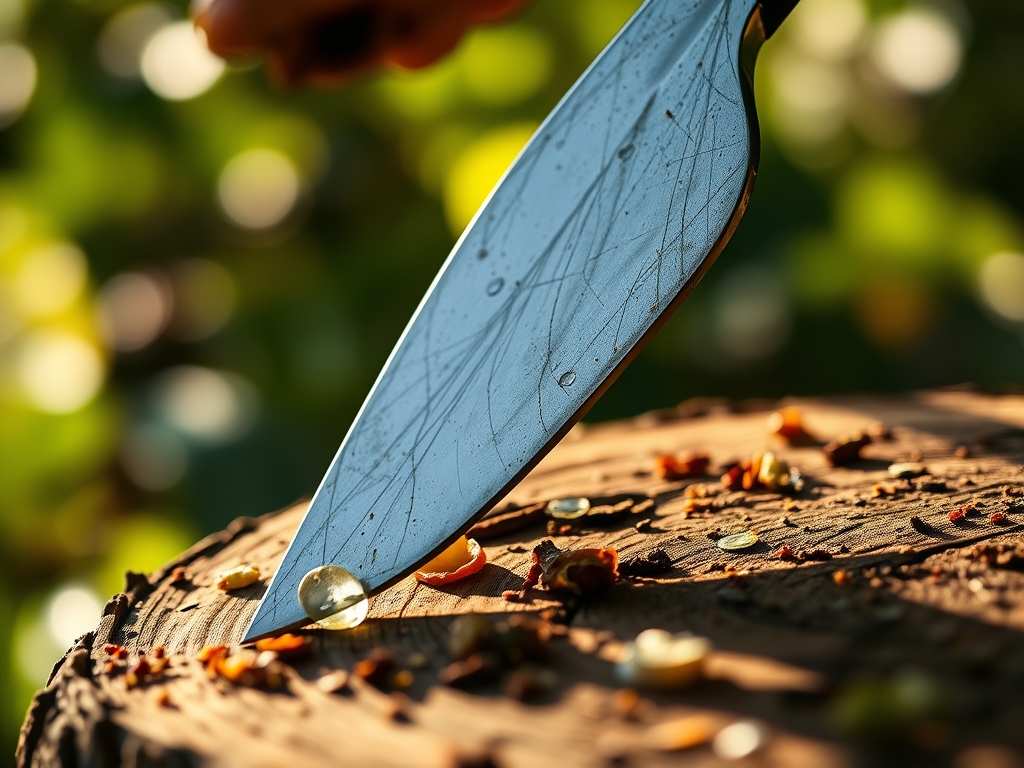
9 Steps to Clean Sticky Sap Off Cutting Blades
Garden tools covered in sticky resin lose their cutting edge and harbor fungal spores between uses. Pine sap, ficus latex, and conifer pitch bond to carbon steel and aluminum within seconds of contact, creating a substrate for rust and pathogen transfer. The following steps for cleaning sap off cutting blades restore tool performance and prevent cross-contamination between pruning cuts. Each method addresses a specific resin chemistry, from terpene-heavy pitch to polysaccharide gums.
Blades left uncleaned for 48 hours develop oxidation pits that compromise the bevel angle. Sap residue also interferes with the auxin distribution in fresh cuts, leading to delayed callus formation on woody stems.
Materials
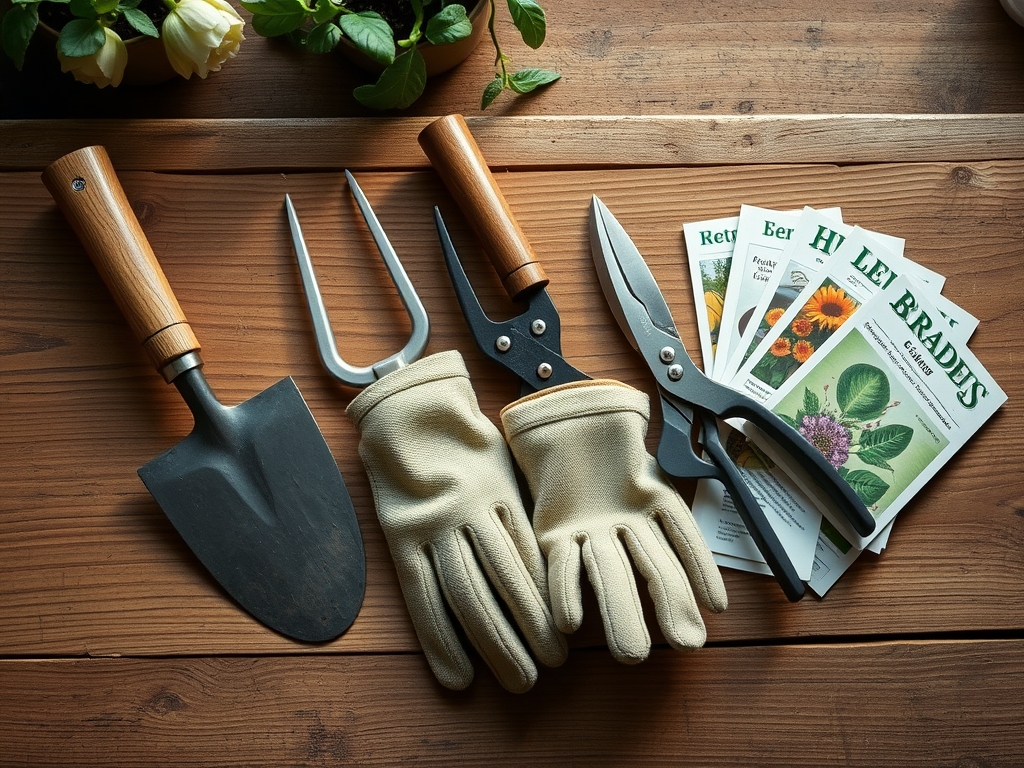
Organize cleaning agents by their solvent properties and pH range. Isopropyl alcohol (70-99% concentration) dissolves terpene compounds in conifer sap without corroding high-carbon steel. Citrus-based solvents (d-limonene extracted from Citrus sinensis peel) break down deciduous tree resins with a pH of 6.5 to 7.0. Mineral spirits work on aged pitch but require thorough rinsing to prevent soil contamination if residue transfers during subsequent cuts.
For abrasive cleaning, use fine-grit silicon carbide paper (400-600 grit) paired with food-grade mineral oil. Steel wool leaves micro-scratches that accelerate rust in humid climates above Zone 7. Avoid ammonia-based cleaners; they react with tannins in oak and walnut sap to form permanent black stains.
Maintain a 4-4-4 organic maintenance schedule for the plants being pruned. Tools cleaned with petroleum distillates should cure for 12 hours before contacting actively growing tissue to prevent phytotoxic effects on cambium layers.
Timing
Address sap buildup immediately after each pruning session. Resin polymerizes through oxidation within 2 to 6 hours depending on ambient temperature and humidity. In Zones 3 through 6, winter pruning produces less sap flow, but frozen pitch becomes brittle and harder to remove. Schedule major cleaning after spring flush, when deciduous species produce maximum latex and gum exudates.
Perform deep blade maintenance before bud break and after leaf drop. These windows align with dormant periods when mycorrhizal fungi colonization rates peak in root zones, making sterile tool edges critical for preventing infection vectors during structural pruning.
In Zones 8 through 10, clean blades weekly during active growth. Warm nighttime temperatures above 60°F accelerate bacterial proliferation in residual sap films.
Phases

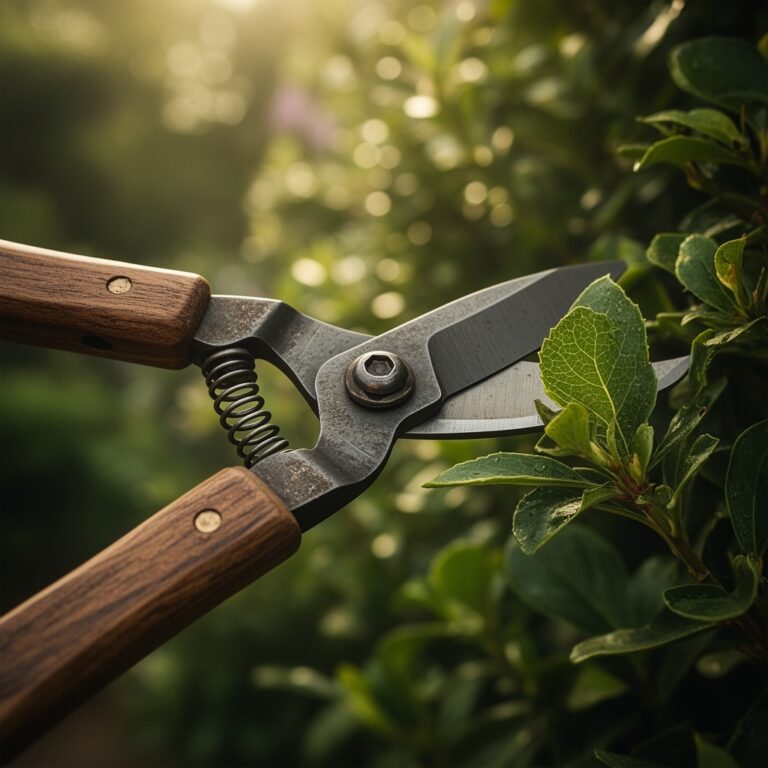
Initial Removal: Wipe fresh sap immediately with a cloth dampened in isopropyl alcohol. Hold the blade at a 45-degree angle to prevent solvent from entering pivot mechanisms. For bypass pruners, work from the cutting edge toward the spine to avoid driving resin into the tension spring.
Pro-Tip: Apply solvent to the cloth rather than directly to the blade. This controls fluid volume and prevents capillary action from drawing liquid into rivet channels where it displaces lubricants.
Solvent Soaking: Submerge heavily coated blades in a shallow pan of citrus solvent for 15 to 20 minutes. Position blades so sap-covered surfaces face upward to allow dissolved resin to float away rather than resettle. Rotate the blade every 5 minutes to expose all surfaces to fresh solvent.
Pro-Tip: For loppers and hedge shears with long blades, use a PVC pipe segment sealed at one end as a vertical soaking chamber. This minimizes solvent volume while ensuring complete coverage.
Abrasive Polishing: After solvent treatment, apply mineral oil to 600-grit silicon carbide paper. Stroke along the bevel angle in single-direction passes, 10 to 15 strokes per side. This removes polymerized residue without altering the factory grind. Check progress by feeling for smoothness; properly cleaned steel has a friction coefficient similar to glass.
Pro-Tip: Maintain the original bevel angle (typically 20 to 25 degrees on quality bypass pruners). Steeper angles increase cutting force requirements and cause tissue crushing that delays wound closure.
Sterilization: After mechanical cleaning, wipe blades with 70% isopropyl alcohol or a 10% bleach solution (1 part household bleach to 9 parts water). Allow 60 seconds of contact time for pathogen inactivation. Rinse bleach-treated tools with distilled water to prevent chloride corrosion, then dry immediately.
Troubleshooting
Symptom: White crystalline deposits after cleaning.
Solution: These are mineral salts from hard water rinses. Dissolve with distilled white vinegar (5% acetic acid), then rinse with distilled water. Prevent by using deionized water for final rinses.
Symptom: Black staining on blade surface.
Solution: Tannin-solvent reaction. Remove with a paste of baking soda (sodium bicarbonate) and water, applied with 0000-grade steel wool. The mild alkalinity neutralizes acidic tannins without etching steel.
Symptom: Increased cutting resistance after cleaning.
Solution: Solvent has stripped factory lubricants from the pivot point. Apply one drop of 3-in-1 oil or camellia seed oil to the rivet, then open and close the tool 20 times to distribute lubricant across bearing surfaces.
Symptom: Rust spots appearing within 24 hours.
Solution: Inadequate drying or humidity exposure. Steel has a cation exchange capacity; moisture absorbed during cleaning promotes oxidation. Dry blades with forced air, then coat with a thin film of mineral oil.
Maintenance
Oil pivot points and blade surfaces after every cleaning session. Apply mineral oil or food-grade camellia oil at 0.1 ml per square inch of blade surface. Store tools in a climate-controlled space below 60% relative humidity to prevent flash rust formation.
Sharpen blades every 40 hours of active cutting time using a whetstone with 1000-grit silicon carbide. Maintain a 3:1 bevel ratio (three strokes on the beveled side, one stroke on the flat side) to prevent burr formation.
Replace blades when the edge thickness exceeds 0.5 mm at the cutting point. Worn edges crush vascular tissue and create entry points for Botryosphaeria and other wound parasites.
FAQ
How often should I clean pruning shears?
After each pruning session, or every 2 hours during continuous use. Sap begins polymerizing within 90 minutes of exposure to air.
Can I use WD-40 to remove sap?
No. WD-40 leaves a petroleum film that attracts dust and interferes with precision cuts. It also contains propellants that damage plastic handle components on modern tools.
Does hand sanitizer work as a sap remover?
Only if it contains 70% or higher ethanol concentration. Gel formulations with thickeners leave residues that trap soil particles during subsequent use.
Why do my blades feel sticky after cleaning with soap?
Soap residue forms a film on metal. Dish detergents contain surfactants that bind to both sap and steel, creating a tacky layer. Rinse thoroughly with hot water followed by an alcohol wipe.
Should I clean both blades on bypass pruners?
Yes. The anvil blade accumulates sap transferred from the cutting blade during the shearing action. Residue on the anvil reduces cut quality and harbors pathogens.