6 Targeted Steps for Treating Nutrient Deficiency
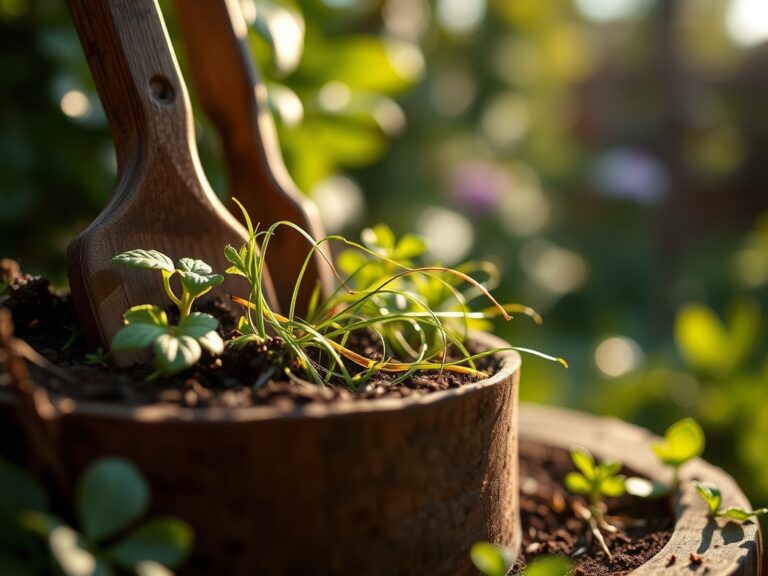
The smell of damp earth after a rain is more than a scent; it is the olfactory signature of active microbial respiration within the rhizosphere. When a plant loses turgor pressure or exhibits chlorosis, the biological machinery has stalled. Restoring this balance requires systematic intervention. Implementing specific steps for treating nutrient deficiency with mulch allows a grower to stabilize soil temperatures while providing a slow-release reservoir of essential elements. A healthy leaf should feel firm and cool to the touch, indicating high water potential and efficient transpiration. If the foliage appears flaccid or discolored, the soil chemistry is likely compromised. Addressing these deficits through strategic mulching and targeted amendments ensures that the cation exchange capacity remains high enough to support vigorous growth. This process is not about aesthetic coverage but about building a functional interface between the atmosphere and the subterranean root system. Proper execution requires a deep understanding of soil pH, mineral availability, and the precise timing of nutrient uptake throughout the plant life cycle.
Materials:

Successful remediation begins with the substrate. Aim for a **friable loam** with a composition of approximately **40 percent sand, 40 percent silt, and 20 percent clay**. This balance ensures adequate aeration while maintaining moisture. For most temperate crops, a **soil pH between 6.2 and 6.8** is optimal for nutrient solubility.
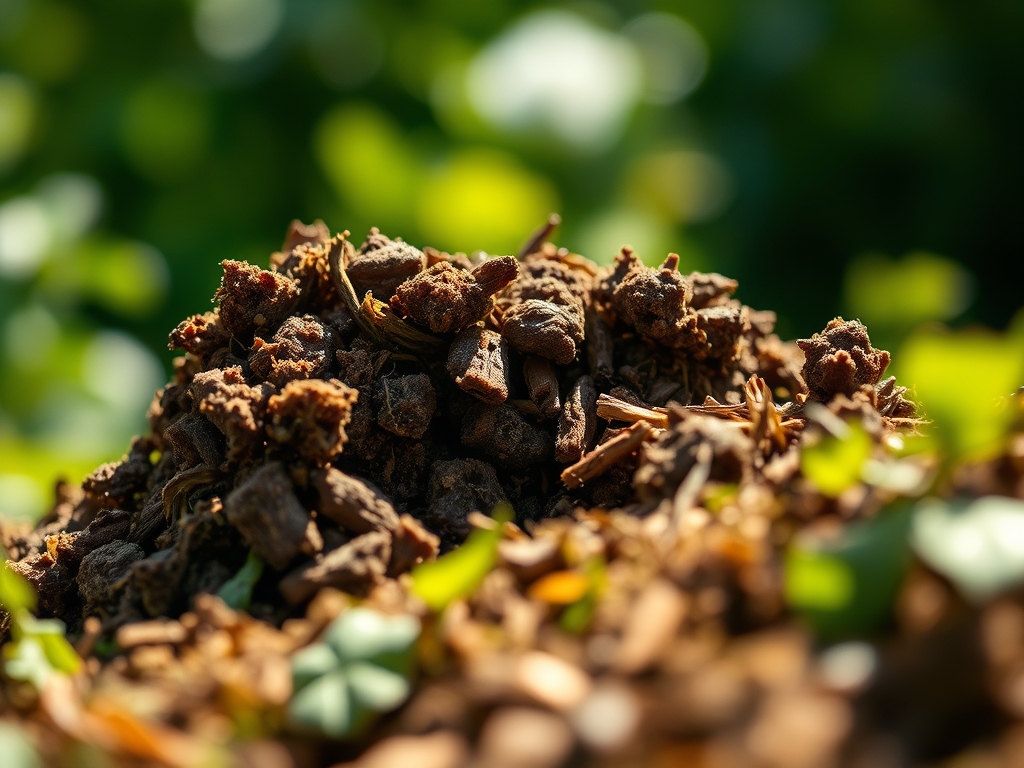
Select mulch based on the specific NPK requirements of the crop. For nitrogen-deficient soils, use alfalfa meal (2-1-2) or composted poultry litter (3-4-2). If phosphorus is low, incorporate bone meal (3-15-0) beneath the mulch layer. For potassium needs, kelp meal (1-0-2) or sulfate of potash provides the necessary ions. The mulch itself should consist of shredded hardwood, pine bark fines, or weed-free straw. These materials should be aged to ensure the carbon-to-nitrogen ratio does not cause nitrogen immobilization, which occurs when microbes consume available nitrogen to break down fresh carbon sources.
Timing:
In Hardiness Zones 5 through 8, the primary window for treating nutrient deficiencies opens two to four weeks before the last frost date. This timing allows the mulch to begin decomposing as soil temperatures rise above 50 degrees Fahrenheit, the threshold for most microbial activity.
The biological clock of the plant dictates the urgency of intervention. During the vegetative stage, plants prioritize nitrogen for chlorophyll production and leaf expansion. As the photoperiod shifts and the plant enters the reproductive stage, the demand for phosphorus and potassium increases to support flower and fruit development. Applying mulch during the transition from vegetative to reproductive growth provides a steady supply of micronutrients like boron and magnesium, which are critical for pollen tube elongation and seed set. Monitor the growing degree days (GDD) to predict these transitions accurately.
Phases:

Sowing
When direct-sowing seeds, clear a narrow furrow in the mulch to expose the soil. Ensure the soil temperature has reached at least 60 degrees Fahrenheit for warm-season crops. Place seeds at a depth three times their diameter.
Pro-Tip: Proper seed-to-soil contact is essential because of imbibition. The seed must absorb water to trigger the metabolic processes that break dormancy; mulch helps maintain the consistent humidity required for this hydraulic activation.
Transplanting
Dig a hole twice the width of the root ball. Place the plant so the crown sits exactly at the soil line. Backfill with the friable loam and immediately apply a 2-inch layer of organic mulch, keeping it 3 inches away from the main stem to prevent fungal pathogens.
Pro-Tip: Transplanting often causes temporary auxin suppression. By mulching immediately, you reduce soil temperature fluctuations, which helps the plant re-establish the hormonal balance necessary for apical dominance and root initiation.
Establishing
During the first 14 to 21 days, monitor the plant for signs of establishment. The mulch should remain moist but not saturated. If the plant shows new terminal growth, the root system has successfully integrated with the surrounding soil.
Pro-Tip: Mulch facilitates mycorrhizal symbiosis. These beneficial fungi extend the reach of the root system, increasing the surface area for phosphorus absorption in exchange for plant-produced carbohydrates.
The Clinic:
Physiological disorders often mimic disease but are usually the result of mineral imbalances.
Symptom: Interveinal chlorosis on young leaves (yellowing between green veins).
Solution: This indicates Iron (Fe) deficiency. Apply a chelated iron foliar spray and mulch with acidic organic matter like pine needles to lower the local pH.
Symptom: Necrosis at the leaf margins (burnt edges) on older foliage.
Solution: This is a classic Potassium (K) deficiency. Top-dress with 0-0-50 sulfate of potash before applying a fresh layer of straw mulch.
Symptom: Blossom end rot on fruit (dark, sunken spots on the bottom).
Solution: This is caused by Calcium (Ca) localized deficiency, often due to erratic watering. Maintain a consistent 2-inch mulch layer to stabilize soil moisture and ensure a steady calcium flow through the xylem.
Fix-It for Nitrogen Chlorosis: If the entire plant turns pale green, apply a high-nitrogen liquid fish emulsion (5-1-1) directly to the root zone. Follow this with a 1-inch layer of composted manure and cover with wood chips to lock in the nutrients.
Maintenance:
Precision is the hallmark of a professional. Deliver 1.5 inches of water per week directly at the drip line. Avoid overhead irrigation, which can displace mulch and encourage foliar pathogens. Use a soil moisture meter daily to check the tension at a 6-inch depth; it should read between 20 and 40 centibars for most crops.
When weeds penetrate the mulch, use a hori-hori knife to extract the entire taproot without disturbing the surrounding rhizosphere. For woody perennials, use bypass pruners to remove dead or diseased wood, which reduces the nutrient load on the plant. Check the mulch depth monthly. As organic matter decomposes, it integrates into the soil, requiring a supplemental 1-inch top-off to maintain its thermal and moisture-regulating properties.
The Yield:
Harvesting is the culmination of precise nutrient management. For leafy greens, harvest in the early morning when turgor pressure is at its peak. For fruiting crops, wait for the "ground color" to shift from green to the mature hue. Use sharp snips to avoid tearing the vascular tissue.
Post-harvest, immediately move produce to a cool, shaded area to slow senescence. Removing "field heat" by plunging vegetables into 40-degree Fahrenheit water preserves the cellular structure and maintains "day-one" freshness. For flowers, recut stems under water at a 45-degree angle to prevent air embolisms from blocking the xylem.
FAQ:
How does mulch fix nitrogen deficiency?
Mulch does not add nitrogen directly but stabilizes the soil environment for microbes. As organic mulch decomposes, it slowly releases nitrogen. Using composted manure under mulch provides a more immediate nitrogen source for the rhizosphere.
Can mulch cause nutrient lockout?
Yes, if fresh "green" wood chips are tilled into the soil. Microbes use available nitrogen to break down the carbon, making it unavailable to plants. Always apply high-carbon mulch as a top-dressing rather than mixing it into the soil.
What is the best mulch for high pH soil?
Pine bark and peat moss are effective for lowering pH over time. These acidic materials release hydrogen ions as they decay, which helps neutralize alkaline soils and makes micronutrients like iron and manganese more available to the plant.
How thick should the mulch layer be?
Maintain a depth of 2 to 3 inches. Layers thinner than 2 inches fail to suppress weeds or retain moisture. Layers thicker than 4 inches can impede oxygen exchange, leading to anaerobic conditions and root rot in the rhizosphere.