9 Best Decorative Mulch for Artistic Beds
The smell of damp earth after a heavy rain signals the peak of microbial activity within the rhizosphere. When you press a thumb against a leaf and feel the firm resistance of high turgor pressure, you are witnessing the results of a perfectly balanced soil ecosystem. Achieving this level of plant health requires more than just water and sunlight; it demands a strategic approach to ground cover. Selecting the best mulch for artistic landscaping involves balancing aesthetic contrast with the thermal regulation of the root zone. A high-quality mulch layer prevents the rapid evaporation of soil moisture and suppresses competitive weed growth that would otherwise steal vital nutrients. In artistic beds, the mulch serves as the canvas, providing a dark or textured backdrop that highlights the architectural form of specimen plants. Professional horticulturists prioritize materials that decompose at a predictable rate, slowly releasing organic matter to improve soil structure. Whether you are managing a formal parterre or a flowing perennial border, the physical properties of your chosen substrate will dictate the long-term success of your planting design.
Materials:
The foundation of a high-performing artistic bed is a friable loam with a Cation Exchange Capacity (CEC) between 15 and 25. This allows the soil to hold onto essential cations like Potassium (K+) and Magnesium (Mg2+). When selecting the best mulch for artistic landscaping, consider the following nine materials based on their chemical and physical impacts:
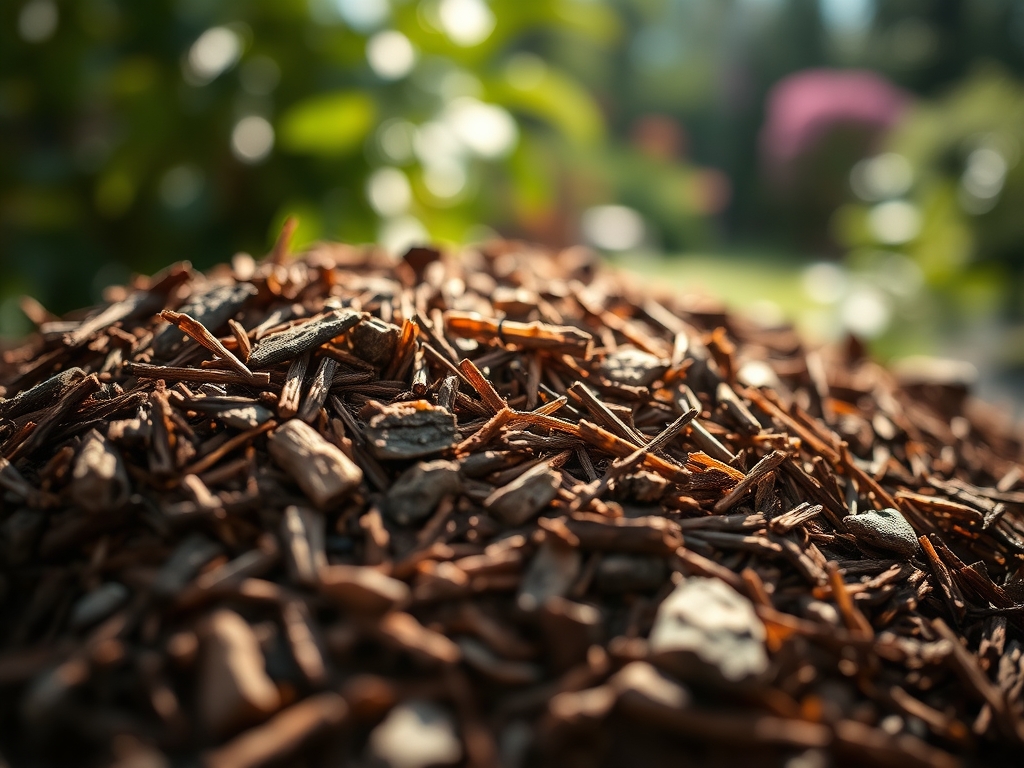
- Triple-Shredded Hardwood Bark: Naturally acidic with a pH of 5.0 to 6.5. It provides a fine texture that knits together to prevent erosion on sloped beds.
- Pine Bark Nuggets: Ideal for acid-loving plants like Azaleas. These have a slow decomposition rate and an NPK ratio of approximately 0.1-0.0-0.1.
- Cedar Shavings: High in thujone, which acts as a natural deterrent for certain detritivores. It maintains its color longer than hardwood.
- Hemlock Bark: Known for its deep burgundy hue. It contains tannins that resist rapid fungal breakdown.
- Black-Dyed Carbonized Wood: Provides the highest visual contrast. Ensure the dye is carbon-based to avoid altering soil heavy metal concentrations.
- Pine Needles (Pine Straw): Best for large-scale artistic drifts. It allows for excellent gas exchange and maintains a pH near 4.5.
- Coco Coir Pith: A sustainable byproduct with a neutral pH of 6.0 to 6.8. It has superior water retention, holding up to 10 times its weight in water.
- Buckwheat Hulls: A premium, fine-textured mulch that creates a smooth, dark brown finish. It is lightweight and ideal for delicate rock gardens.
- Arborist Wood Chips: A diverse mix of sapwood and bark. This material encourages the highest level of mycorrhizal symbiosis due to its varied carbon sources.
Timing:
In Hardiness Zones 5 through 8, the primary window for mulch application is late spring, once the soil has warmed to at least 55 degrees Fahrenheit (13 degrees Celsius). Applying mulch too early in the season can trap winter cold in the ground, delaying the "Biological Clock" of your perennials. This delay can stunt the transition from the vegetative stage to the reproductive stage, resulting in fewer blooms.
For fall applications, wait until after the first hard frost has sent plants into dormancy. This prevents the soil from fluctuating in temperature, which can cause "frost heaving" where the plant's crown is pushed out of the earth. Monitoring the photoperiod is also essential; as daylight hours decrease, plants begin senescence, and a fresh layer of mulch helps protect the root mass from the coming desiccation of winter winds.
Phases:

Sowing and Soil Preparation
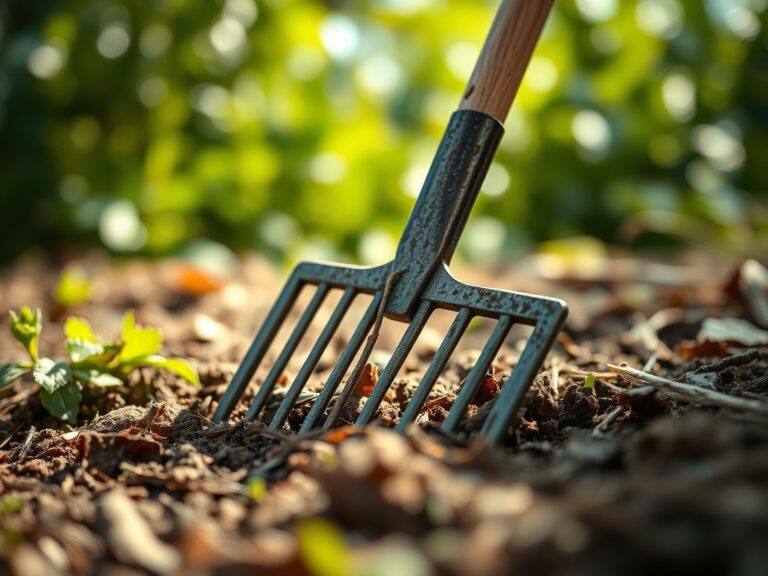
Before applying any decorative mulch, the soil must be amended to reach an ideal NPK ratio of 10-10-10 for general beds. Clear all existing weeds and ensure the soil is moist. If the soil is compacted, use a broadfork to aerate without flipping the soil profile.
Pro-Tip: Avoid placing mulch directly against the stems of seedlings. This prevents "damping off," a condition caused by fungal pathogens that thrive in the high-moisture microclime created by the mulch. This maintains the integrity of the hypocotyl during early growth.
Transplanting into Mulched Beds
When installing nursery stock, pull the mulch back in a 12-inch radius from the planting hole. Dig the hole twice as wide as the root ball but no deeper. Once the plant is set, return the mulch but leave a 2-inch gap around the trunk or crown.
Pro-Tip: Maintaining this gap prevents the development of adventitious roots from the trunk. If the trunk is buried in mulch, the plant may suffer from auxin suppression, where the hormonal balance required for downward root growth is disrupted, leading to girdling roots.
Establishing the Artistic Border
To maintain the sharp lines of an artistic bed, use an edging tool to create a 3-inch deep "V" trench between the turf and the mulch. This physical barrier prevents rhizomatous grasses from encroaching into the decorative area.
Pro-Tip: The use of coarse wood chips in the lower layers of mulch encourages mycorrhizal symbiosis. These beneficial fungi extend the reach of the plant's root system, increasing the surface area for phosphorus absorption by up to 1,000 percent.
The Clinic:
Symptom: Yellowing of lower leaves while veins remain green (Interveinal Chlorosis).
Solution: This often indicates a Magnesium deficiency or an alkaline pH spike. Test the soil; if the pH is above 7.5, incorporate elemental sulfur to lower it.
Fix-It: Apply a foliar spray of Epsom salts (Magnesium Sulfate) at a rate of 1 tablespoon per gallon of water for immediate relief.
Symptom: Stunted growth and pale green foliage across the entire plant.
Solution: Nitrogen Chlorosis. This often happens when fresh "green" mulch robs nitrogen from the soil to fuel its own decomposition.
Fix-It: Top-dress the soil with blood meal (12-0-0) or a high-nitrogen liquid fertilizer before reapplying mulch.
Symptom: Mulch develops a bright yellow or orange fungal growth (Slime Mold).
Solution: This is a saprophytic organism feeding on decaying wood. It is not harmful to plants but indicates high moisture levels.
Fix-It: Use a hori-hori knife to scrape the mold off and turn the mulch to improve aeration.
Maintenance:
Proper maintenance of artistic beds requires precision. Deliver 1.5 inches of water per week at the drip line of your plants. Avoid overhead irrigation, which can displace fine mulches and encourage leaf spot diseases. Use a soil moisture meter to check the depth of hydration; the probe should register "moist" at a depth of 6 inches.
Every spring, use bypass pruners to remove dead wood and spent flower stalks. If the mulch has broken down into a fine compost, do not remove it. Instead, lightly rake the surface to break up any hydrophobic crust that has formed and add a 1-inch "refresh" layer of new material to maintain the desired aesthetic.
The Yield:
For those growing cut flowers or ornamental berries within their artistic beds, harvest timing is critical. For flowers like Zinnias or Lilies, harvest in the early morning when turgor pressure is at its peak. Use a sharp, sterilized blade to make a clean cut at a 45-degree angle. Immediately plunge the stems into cool water. For "day-one" freshness, store the cuttings in a dark, cool environment for two hours before arranging. This allows the vascular system to stabilize after the stress of the cut.
FAQ:
How thick should I apply mulch for artistic beds?
Maintain a depth of 2 to 3 inches. This thickness is sufficient to suppress weed seed germination and retain moisture without suffocating the soil or preventing oxygen exchange within the rhizosphere.
Will mulch attract termites to my garden?
While wood-based mulches provide a moisture-rich environment, they do not typically provide the structural volume required for termite colonies. Keep mulch 6 inches away from your home's wooden foundation as a standard preventative measure.
Can I use dyed mulch around edible plants?
Most modern dyes use carbon or iron oxide, which are safe. However, verify the source. For edibles, untreated cedar or pine bark is often preferred to ensure no synthetic chemicals leach into the root zone.
How often should I replace decorative mulch?
Organic mulches like hardwood or hemlock should be refreshed once per year. Materials with higher lignin content, such as cedar or large pine bark nuggets, may only require a top-dress every two to three years.