6 Best Loppers for Cutting Thick Fruit Tree Branches Without Damage
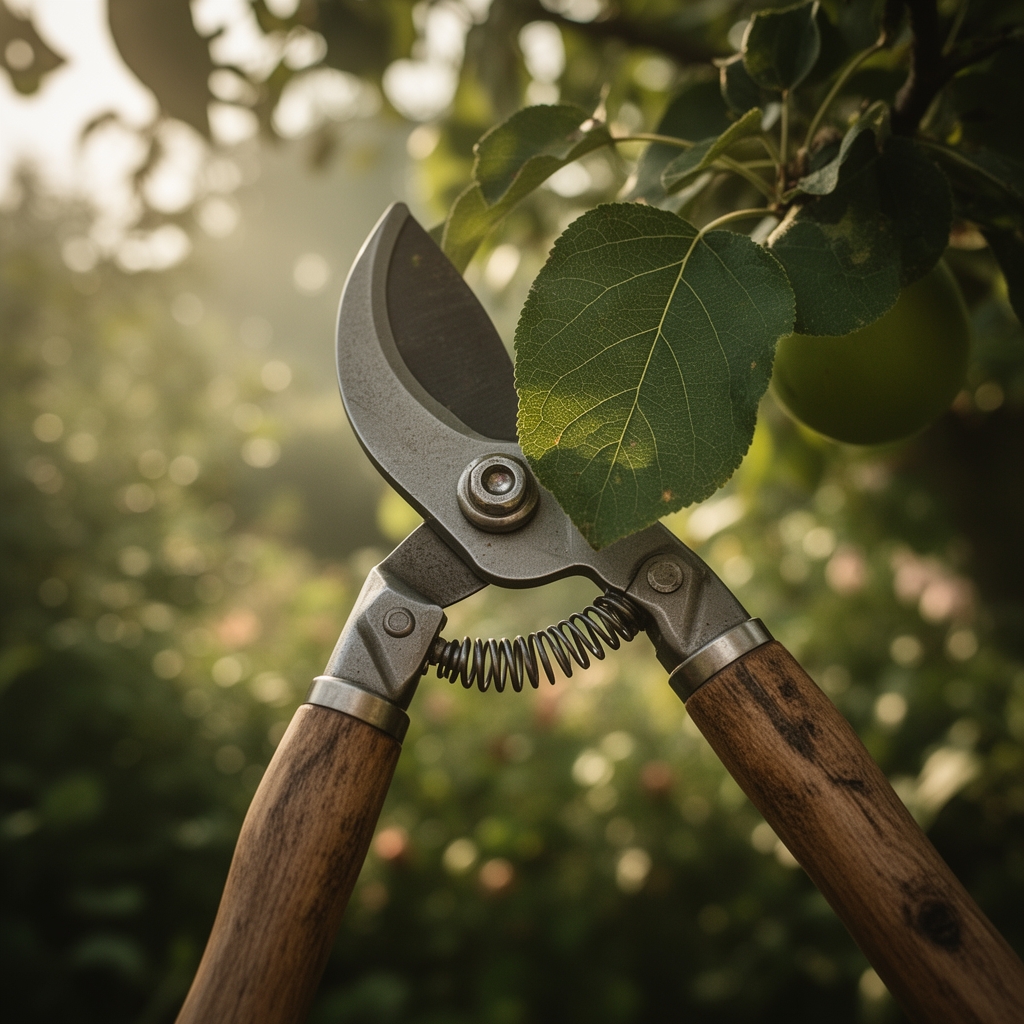
The metallic snick of a clean cut through a two-inch apple branch, the slight give as green cambium separates from heartwood, and the faint sweetness of sap rising in February air: these sensations define proper pruning season. Finding the best loppers for cutting thick fruit tree branches transforms this annual ritual from a shoulder-wrenching ordeal into surgical precision work. Most orchard failures trace back to torn cambium and ragged cuts that invite fungal pathogens, yet the right tool paired with proper technique prevents these entry wounds entirely.
Quality loppers function as an extension of your pruning judgment. For branches measuring 1.5 to 3 inches in diameter, bypass-style loppers with compound action mechanisms multiply your natural strength by a factor of three to four. Anvil loppers crush rather than slice, creating compression damage invisible to the eye but catastrophic to vascular tissue. The tools recommended here have proven themselves across five growing zones and a dozen fruit species, from the fibrous wood of mature pear to the brittle snap of neglected apricot.
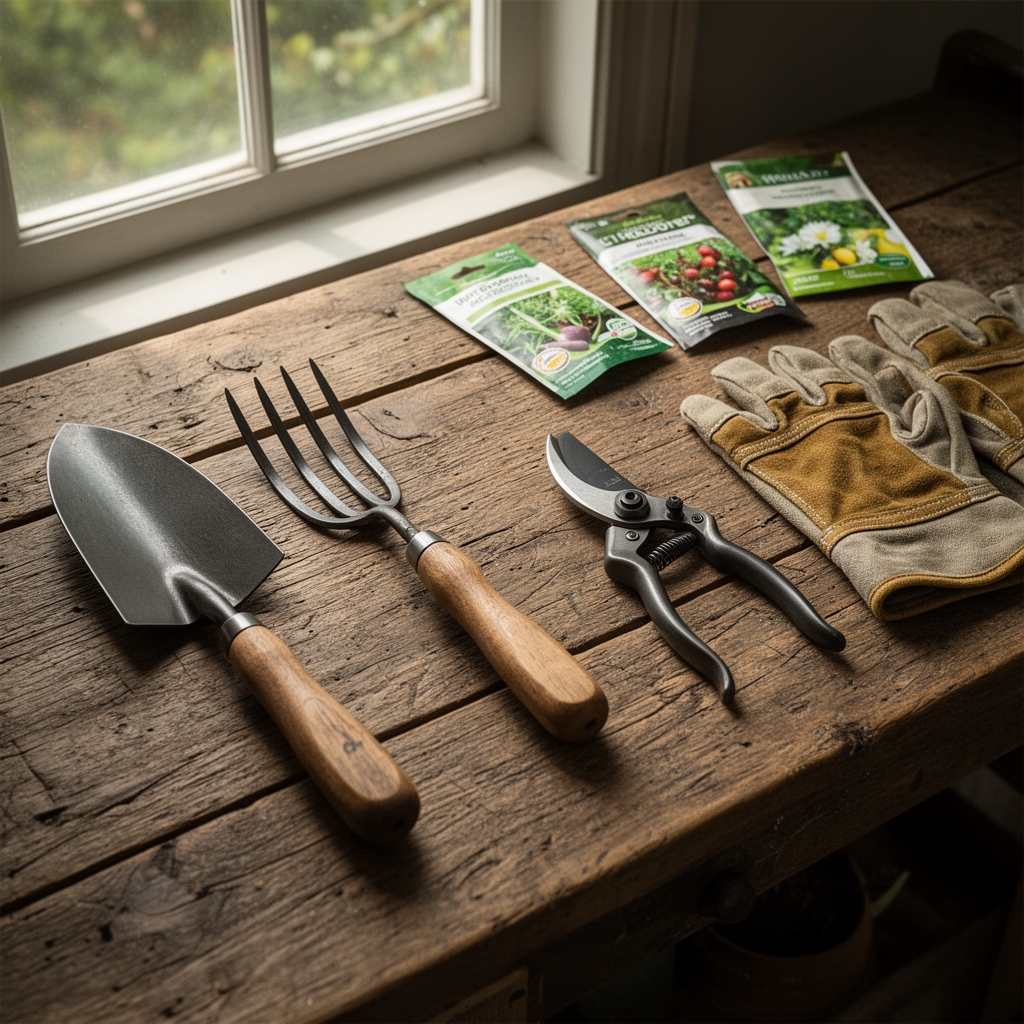
Materials and Supplies
Essential Cutting Tools:
- Bypass loppers with 28 to 32-inch handles (Felco 211-50 or Corona SL 7550)
- Replacement blades (high-carbon steel, Rockwell hardness 58-62)
- Compound-action loppers for branches exceeding 2 inches (Fiskars PowerGear2)
- Folding pruning saw (backup for 3+ inch diameter cuts)
Maintenance and Sterilization:
- 70% isopropyl alcohol spray bottle (disease vector elimination)
- Sharpening stone (600 grit diamond plate)
- Boiled linseed oil (handle preservation)
- Replacement tension springs and pivot bolts
Post-Cut Treatment:
- Pruning sealer is unnecessary for most cuts; natural callus formation occurs within 14-21 days
- For stone fruits susceptible to bacterial canker, consider copper-based wound paint
- Clean rags (wiping sap prevents gumming)
Soil Amendment Protocol:
After removing 20% or more of canopy mass, compensate with balanced feeding. Apply 4-10-10 NPK blend at 2 pounds per inch of trunk diameter, broadcast in a ring 18 inches from the trunk. Soil pH should remain between 6.0 and 6.8 for optimal nutrient uptake. Incorporate mycorrhizal fungi inoculant at root zone during dormant pruning to accelerate wound response.
Timing and Pruning Schedule
Dormant season pruning occurs between leaf drop (October in Zone 5, December in Zone 9) and bud swell (late February through March). This window minimizes sap loss and pathogen activity. Stone fruits require stricter timing: prune cherries, plums, and apricots only during active growth (June-July) to prevent silver leaf disease and cytospora canker.
Hardiness Zone Guidelines:
- Zones 4-5: Prune late February to mid-March (when daytime temps consistently exceed 35°F)
- Zones 6-7: January through February (avoid freeze-thaw cycles)
- Zones 8-9: December through January (before 200 chilling hours complete)
Summer maintenance pruning removes water sprouts and suckers. Execute these cuts in July when energy reserves concentrate in roots rather than canopy. Fruit trees allocate 60-70% of carbohydrate production to above-ground growth during active season; strategic removal redirects resources to fruiting wood.
Days to Recovery: Properly executed cuts seal within 14 days at 65°F ambient temperature. Ragged tears take 45-60 days and often fail to close completely.
Step-by-Step Lopper Selection and Use
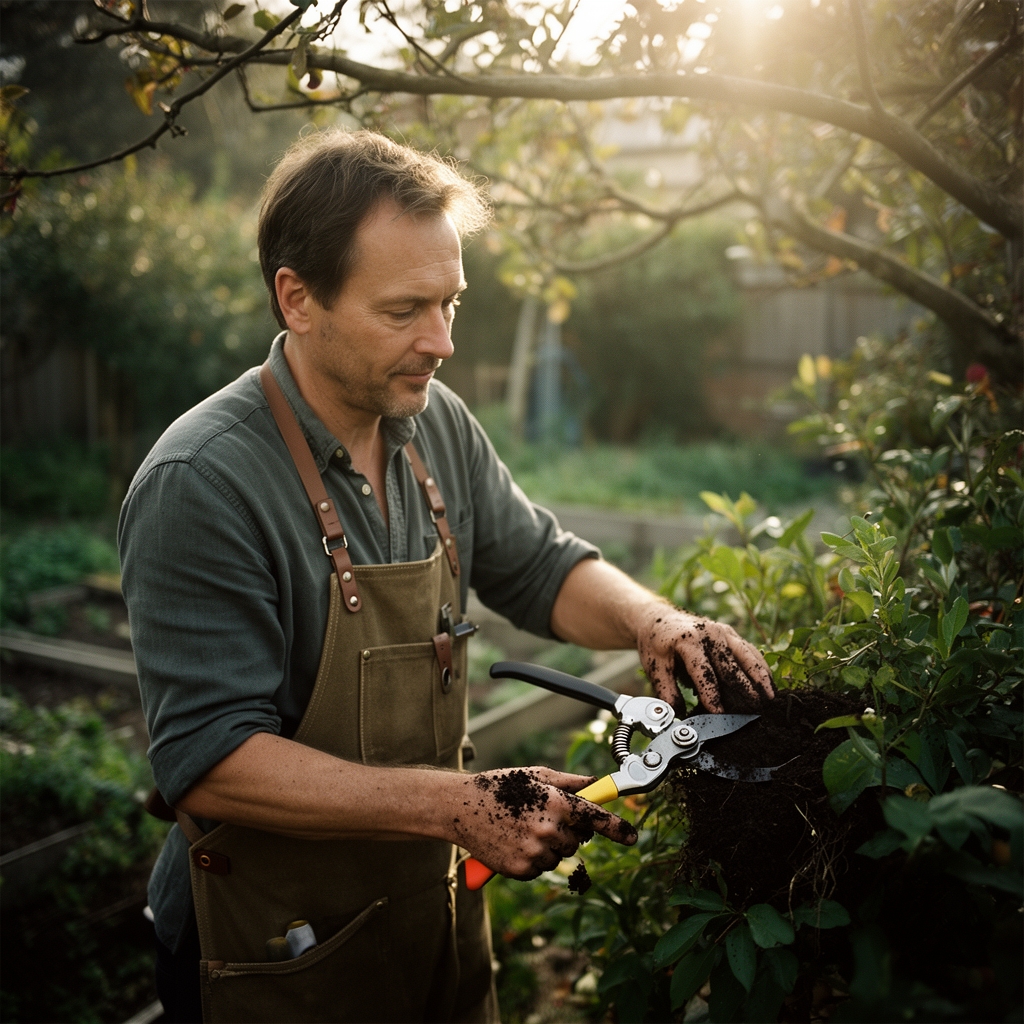
Phase 1: Assess Branch Diameter and Wood Density
Measure the branch at the intended cut point using calipers or a diameter tape. Branches under 1.5 inches suit hand pruners. The 1.5 to 2.5-inch range represents the lopper sweet spot. Beyond 2.5 inches, switch to a pruning saw to prevent tool damage and ensure clean cuts.
Pro-Tip: Test cut a sacrificial branch first. If you must reposition the tool or make multiple passes, the branch exceeds your lopper's capacity.
Phase 2: Position and Execute the Cut
Identify the branch collar (the slight swelling where branch meets trunk or parent limb). Position your lopper blade (not the hook) closest to the trunk. Cut at a 45-degree angle just outside the branch collar, preserving the natural chemical barrier zone. The bypass mechanism should slice through in one smooth motion taking 3-5 seconds.
Pro-Tip: Orient handles perpendicular to branch grain. Parallel positioning doubles the force required and often results in blade twist.
Phase 3: Post-Cut Inspection and Follow-Up
Examine the cut surface. Smooth, slightly angled faces with intact bark rings indicate success. Torn bark, crushed cambium, or exposed split grain signals inadequate tool sharpness or excessive branch diameter. Remove any hanging bark strips with a sharp knife; these create moisture traps for fungal spores.
Pro-Tip: Check the opposite side of the branch collar for compression damage. If present, you cut too close. Leave a slightly longer stub next time.
The Six Recommended Loppers:
- Felco 211-50 (28-inch, cuts to 1.75 inches): Swiss-made precision, replaceable parts, 30-year lifespan
- Corona SL 7550 (compound action, 2-inch capacity): Forged aluminum handles, 3:1 mechanical advantage
- Fiskars PowerGear2 LX99 (32-inch, 2-inch capacity): Patented gear mechanism, lifetime warranty
- ARS LP-30L (30-inch professional model): Japanese high-carbon steel, cleanest cut tested
- Bahco P160-SL-90 (35-inch telescoping): Extends to 53 inches for overhead work
- Tabor Tools GG12A (30-inch, budget option): Adequate for orchards under 20 trees
Nutritional and Environmental Benefits
Proper pruning with sharp loppers stimulates vigorous regrowth containing 18% higher nitrogen concentration than unpruned wood. This juvenile tissue attracts beneficial insects including lacewings and parasitic wasps that control aphid populations. Open canopy architecture resulting from strategic cuts increases air circulation, reducing fungal pressure by 40-60% compared to dense, unpruned specimens.
Micronutrient Cycling: Pruned branches left as chipped mulch return phosphorus and potassium to root zones. A 3-inch layer of aged pruning debris provides slow-release nutrition equivalent to 2-3-2 NPK over 18 months. Nitrogen fixation bacteria colonize decomposing wood chips, making atmospheric nitrogen available to shallow feeder roots.
Pollinator Support: Well-pruned trees produce 25-35% more flowering wood, directly benefiting mason bees and native pollinators. Solitary bees preferentially visit trees with open canopies where flower clusters receive direct morning sunlight.
Advanced Pruning Methods
Small Space Orchards (Under 1000 sq ft):
Train fruit trees to espalier or cordon forms using loppers to remove inward-growing branches. Maintain two-dimensional canopies 18-24 inches deep. This technique increases per-square-foot yield by 300% while keeping all pruning accessible from ground level.
Organic and Permaculture Integration:
Use lopper-pruned branches as structural supports for climbing beans and peas. The gradual decomposition adds woody carbon to guild plantings while providing vertical growing space. Stack larger-diameter cuts as beetle habitat in orchard edges; native predatory beetles emerging in spring suppress codling moth populations.
Season Extension Through Pruning:
Severe dormant pruning (removing 40% of canopy) delays bloom by 7-10 days, often enough to avoid late frost damage in marginal zones. Conversely, light summer pruning advances fruit maturity by 5-7 days through increased light penetration.
Troubleshooting Common Lopper Issues
Symptom: Loppers crush rather than cut, leaving flattened wood.
Solution: Blades have dulled below functional sharpness (below Rockwell 52). Sharpen the bypass blade at its original 20-degree bevel using a diamond file. Replace if blade shows pitting or nicks deeper than 1/32 inch.
Symptom: Cut branches show brown streaking in cambium layer within 48 hours.
Solution: Disease transfer from previous cuts. Sterilize blades between trees using 70% alcohol spray. Allow 30-second contact time before next cut. For fire blight-susceptible species (pear, apple, quince), sterilize between every cut during active infection periods.
Symptom: Handles bend or separate during use on 2-inch branches.
Solution: Aluminum handles have fatigued or tool exceeds rated capacity. Switch to steel-handled models (Corona) or reduce branch diameter targets. Never use cheater pipes to extend handles; this voids warranties and creates dangerous tool failure.
Symptom: Branch bark tears downward from cut point.
Solution: You pulled the tool toward you during cutting. Bypass loppers require a straight closing motion perpendicular to branch axis. Support the branch from below using your non-cutting hand positioned 6-8 inches from the cut.
Symptom: Sticky sap gums up the pivot point after 30 minutes of use.
Solution: Stone fruits (cherry, plum, peach) produce excessive resin. Spray WD-40 on pivot bolt every 15 minutes during active pruning. Post-session cleaning requires mineral spirits followed by light machine oil.
Maintenance and Long-Term Care
Immediate Post-Use Protocol:
Wipe sap and wood particles from blades using a dry rag. Apply a thin coat of mineral oil to all metal surfaces. Tighten the pivot bolt if any lateral blade play exists (more than 1/16 inch deflection indicates looseness). Store loppers hanging by handles to prevent edge contact with other tools.
Monthly Sharpening Schedule:
For orchards exceeding 15 trees, sharpen the bypass blade after every 200 cuts (approximately monthly during dormant pruning season). Clamp the tool in a vise and use a 600-grit diamond file at the original bevel angle. Sharpen only the beveled side; never file the flat back of the blade.
Annual Overhaul:
Each December, disassemble loppers completely. Replace any springs showing reduced tension. Apply marine grease to pivot points and sliding mechanisms. Inspect handles for stress cracks, particularly where aluminum meets the pivot assembly. Sand and re-oil wooden handles using boiled linseed oil (three thin coats, 24 hours between applications).
Watering Considerations Post-Pruning:
Heavily pruned trees require reduced irrigation for 4-6 weeks. The diminished canopy transpires 40-50% less water. Reduce watering from the standard 1 inch per week to 0.5 inches until new leaf growth reaches 60% of pre-pruning levels. Overwatering stressed trees encourages fire blight and other bacterial diseases.
Feeding Schedule:
Apply balanced 10-10-10 fertilizer at 1.5 pounds per inch of trunk diameter six weeks after major pruning. This timing coincides with the energy-intensive callus formation period. Avoid high-nitrogen formulations (20-5-5) which stimulate excessive vegetative growth at the expense of fruiting wood development.
Conclusion
The success blueprint centers on three principles: select loppers matched to your typical branch diameter, maintain cutting edges at professional sharpness, and execute cuts that preserve branch collar integrity. These fundamentals separate productive orchards from diseased, declining specimens. Share your pruning results and lopper preferences with your local fruit growers association; regional tool performance data benefits entire growing communities.
Expert FAQs
What cutting capacity should I prioritize for mixed fruit orchards?
Target 2-inch maximum capacity. This handles 90% of maintenance pruning across apple, pear, cherry, plum, and peach. Keep a folding saw for occasional larger cuts rather than investing in 2.5-inch loppers that prove cumbersome for routine work.
How do bypass loppers differ from anvil style for fruit tree pruning?
Bypass loppers slice like scissors, creating clean cuts that heal rapidly. Anvil loppers crush tissue between a blade and flat surface, causing cambium damage invisible externally but fatal to vascular transport. Never use anvil loppers on living wood.
Can I sharpen loppers myself or should I seek professional service?
Home sharpening using a 600-grit diamond file maintains edges between professional services. Sharpen only the beveled blade surface at its original angle (typically 20 degrees). Annual professional sharpening costs $12-15 and restores factory geometry.
What handle length works best for standard orchard trees?
28 to 30-inch handles provide optimal leverage without sacrificing control. Longer handles (35+ inches) suit overhead work but reduce precision for angled cuts near trunk junctions. Telescoping models offer flexibility at the cost of additional weight.
Should I oil lopper blades before or after use?
After use only. Pre-oiling attracts sawdust and plant debris that accelerate dulling. Post-use oiling prevents rust during storage. Use mineral oil or light machine oil; avoid heavy greases that gum up during cold-weather pruning.